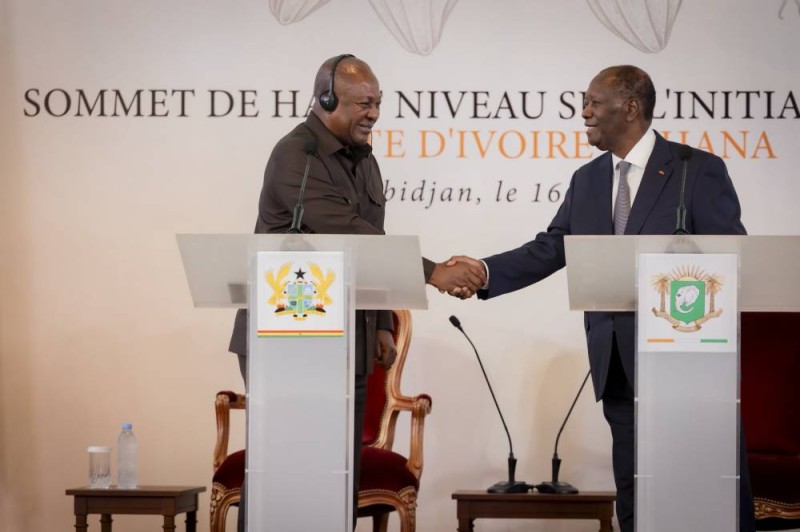
Leaders of Côte d’Ivoire and Ghana chart course for a sustainable cocoa future
In a landmark summit held at the presidential palace in Abidjan-Plateau, the Presidents of Côte d’Ivoire and Ghana reaffirmed their commitment to fostering a more equitable, resilient, and sustainable cocoa industry. Alassane Ouattara of Côte d’Ivoire and John Dramani Mahama of Ghana convened the high-level forum to discuss strategies that prioritize the welfare of cocoa farmers while enhancing the economic value of the sector across both nations and the broader African continent.
Building a fairer cocoa economy for producers and nations
During the summit, the two leaders outlined concrete measures to strengthen the cocoa supply chain, including the harmonization of farm-gate pricing policies, increased investment in value addition, and the expansion of this strategic initiative to involve more African cocoa-producing countries. The goal is clear: to create a cocoa sector that delivers greater economic stability, social equity, and environmental sustainability for millions of farmers and their families who depend on this vital crop.
Strengthening farmer incomes through coordinated action
Reflecting on the progress made since the historic Abidjan Declaration of March 2018, President Ouattara highlighted how joint efforts have already begun to reshape global cocoa markets. The introduction of a living income differential has significantly improved earnings for cocoa farmers, demonstrating the tangible impact of coordinated policy action by the two leading producers.
« The farmer is the heart of this industry, » Ouattara emphasized. « Through daily labor, they sustain the global chocolate economy. Their well-being must remain at the center of every decision we make. » He also acknowledged the sector’s broader significance as a key driver of economic and social development in both countries and across Africa, where cocoa production supports millions of livelihoods.
Confronting shared challenges in the cocoa sector
The discussions also addressed critical challenges facing the industry, including price volatility, climate change impacts, aging cocoa trees, illegal mining encroaching on farmland, and evolving international sustainability standards. President Ouattara stressed the need for continued innovation and collaboration to ensure the long-term viability of cocoa farming in West Africa.
A vision of partnership and shared prosperity
President Mahama echoed the call for stronger cooperation, emphasizing the importance of empowering farmers with the resources and tools they need to thrive. « Our shared goal is to give cocoa producers the power to shape their own futures, » he stated. « By exchanging best practices, increasing investment, and fostering collaboration, we can build a cocoa sector that is not only profitable but also sustainable for generations to come. »
The two leaders underscored the importance of uniting other cocoa-producing nations in Africa to amplify their collective influence on the global market. By presenting a united front, Côte d’Ivoire and Ghana aim to set new benchmarks for sustainability, fairness, and economic resilience in the global cocoa trade.
A legacy of leadership in the cocoa industry
With Côte d’Ivoire and Ghana producing over 60% of the world’s cocoa and Africa supplying 80%, the decisions made at this summit carry immense weight. The leaders’ commitment to sustainability, farmer welfare, and economic justice reflects a forward-thinking approach that could redefine the future of cocoa not just in West Africa, but around the world.