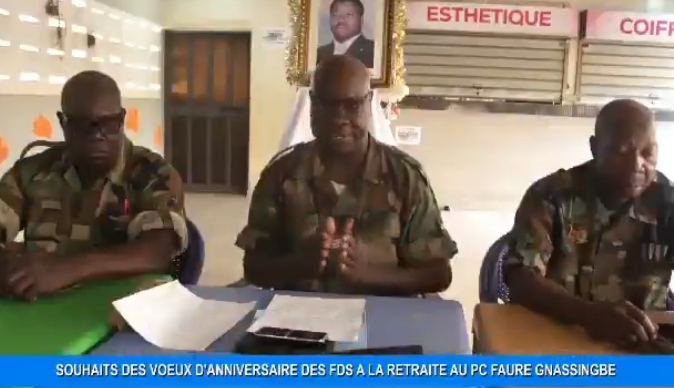
The recent surge in unconditional public support for the Gnassingbé family has ignited sharp debates across Togo’s political landscape. As tensions rise, statements attributed to self-proclaimed paramilitary and militia groups have intensified scrutiny over the country’s political climate and the true nature of its power structures.
Unchecked Allegiance: When Loyalty Trumps Constitutional Duty
Videos and audio recordings circulating on social platforms feature individuals pledging unwavering allegiance to the ruling family, with some going as far as declaring readiness to “defend their rule to the death,” even in the face of mass public dissent. These declarations, devoid of the restraint expected from state-aligned actors, have reignited discussions about the integrity of Togo’s political institutions and the influence of informal armed factions.
Analysts highlight a dangerous pattern: the conflation of personal loyalty to a political dynasty with national security imperatives. One recurring phrase, often echoed in these recordings, encapsulates the sentiment: “If the people reject them, we will fight to the end.” Such rhetoric not only stokes fears of intimidation but also raises questions about the existence of parallel security structures operating outside official frameworks.
Civil Society and Opposition Sound the Alarm
Human rights organizations and opposition leaders view these developments as a deliberate attempt to stifle democratic aspirations. The declarations are seen as a calculated move to instill fear and suppress peaceful civic mobilization, echoing past episodes of political violence in the country’s history.
Critics are calling on state institutions—particularly the military command—to unequivocally distance themselves from these groups and condemn their inflammatory statements. The silence from official channels has only deepened concerns about the state’s commitment to maintaining a neutral and impartial security apparatus.
Militarized Loyalism: A Threat to Democratic Norms
A key challenge lies in distinguishing between the actions of state-sanctioned forces and those of vigilante-style groups acting in the regime’s name. While Togo’s military has historically played a central role in political stability, the emergence of openly militant factions claiming a protective role outside constitutional structures signals a troubling shift. Such groups, if unchecked, could erode the very foundations of democratic governance by privatizing the state’s monopoly on legitimate force.
To date, no public response has been issued by government officials regarding these specific declarations. Instead, authorities have maintained a stance focused on institutional stability and national security, particularly amid pressing regional challenges.
What Lies Ahead for Togo’s Political Future
As the country grapples with a complex post-constitutional environment, the manner in which these ultra-loyalist discourses are managed will reveal whether Lomé’s leadership seeks to foster an environment of dialogue or leans toward confrontation. The coming weeks may set the tone for whether Togo’s political future will be shaped by inclusive governance or a hardening of power through coercive means.