In a sweeping three-day national tour, the Bénin government has sent a clear signal to the agricultural sector: the time for exporting raw materials is over. By accelerating local processing, the country aims to lock in food security, slash import bills, and spark rural economic growth. From the central highlands to the northern savannas, the stakes could not be higher—and the policy shift is already gathering momentum.
Rice and cassava: the engine of agricultural independence
The first wave of progress is rippling through the rice fields. In Glazoué, Premium Agro-Industries, a key player in paddy-to-white-rice conversion, has just greenlit a third processing plant near Dangbo. Once operational, this facility will catapult the company’s annual capacity from 300,000 to 500,000 tonnes—enough to sharply cut the country’s reliance on imported Asian rice.
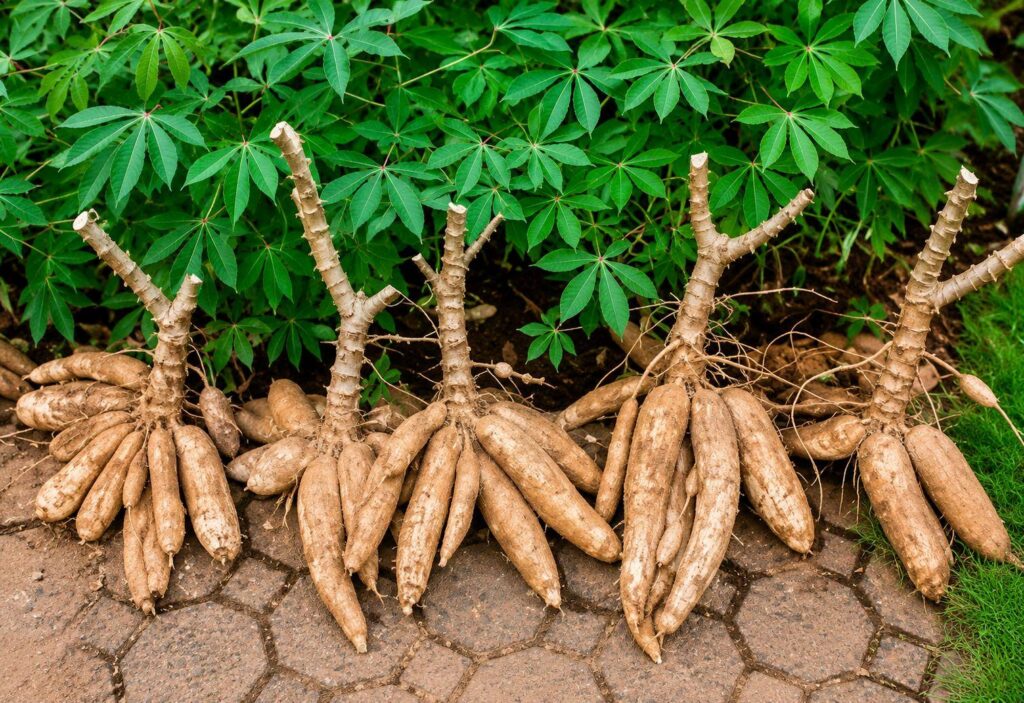
Meanwhile, in Paouignan, the focus is on Manihot esculenta, the cassava plant that is quietly becoming the country’s next white gold. A brand-new agro-industrial complex is nearing completion, designed to turn cassava roots into gari, tapioca, and—most crucially—bread-making flour. This last product offers a direct substitute for wheat imports, while the plant’s innovative public-private partnership model aims to spread profits and safeguard rural jobs.
Cashew nuts: plugging the smuggling hemorrhage
Yet success is not guaranteed. The cashew sector, a major employer in northern Benin, is under siege from cross-border smuggling. Processors report that raw nuts are slipping into neighboring countries at alarming rates, draining local factories of the raw material they need to meet their export quotas.
The government has vowed to crack down. Enhanced border patrols and priority access to raw stock for domestic factories are now policy. Officials warn that every exported nut represents a lost job for young Beninese workers—and a missed link in the national food-value chain.
Cotton: a 700,000-ton lifeline
The final leg of the ministerial tour brought the focus to cotton, the backbone of Bénin’s export economy. After three straight seasons of declining output, the goal is set: 700,000 tonnes by the 2026–2027 harvest. To hit that target, the head of state has rolled out a powerful incentive: a 10 FCFA bonus for every kilogram produced once the national threshold is crossed. The bonus is designed to cushion producer incomes against soaring input costs and rekindle motivation across the cotton belt.
From tighter anti-smuggling measures to financial sweeteners and mega-processing plants, Bénin is stitching together a more resilient agricultural economy. The road ahead still demands stronger logistics and climate-smart farming, but the political will to break free from raw-material dependence is now unmistakable.