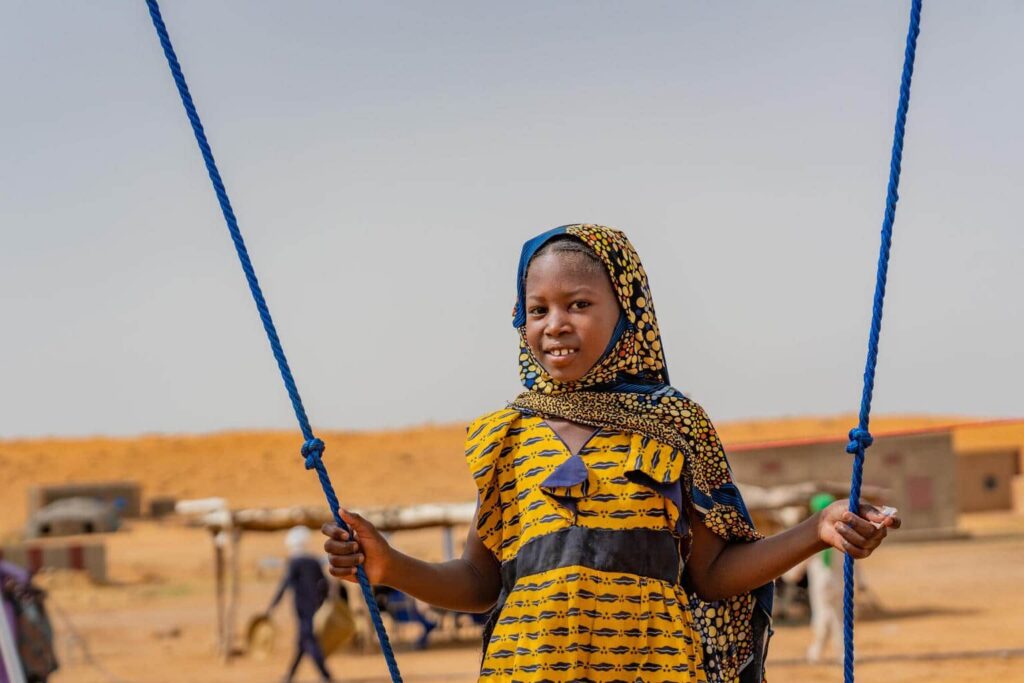
Mali’s children face severe malnutrition as crisis deepens
The ongoing conflict and restricted humanitarian access in Mali are pushing vulnerable communities, particularly young children, to the brink of a catastrophic malnutrition crisis. By December 2023, nearly one million children under five could be affected, with at least 200,000 facing life-threatening hunger if urgent intervention fails to reach them.
Humanitarian access under siege in crisis-affected Mali
Over a quarter of Mali‘s population now grapples with moderate to severe food insecurity, a stark indicator of the deteriorating situation. The northern region of Menaka has entered uncharted territory, with more than 2,500 people—many of them children—on the brink of famine for the first time in the country’s history.
Senior humanitarian leaders from UNICEF and the World Food Programme (WFP) recently visited Mali to reassess the response efforts, working alongside local authorities and partners to scale up critical support for affected communities.
UNICEF warns of escalating child suffering
«Mali is trapped in a complex humanitarian crisis that demands immediate action to prevent a disaster for children who are paying the heaviest price for a conflict they did not create», warned Ted Chaiban, UNICEF Deputy Executive Director for Humanitarian Action and Supply Operations. «UNICEF, WFP and our partners have stood by the people of Mali through some of its most challenging years, and we will persist in delivering humanitarian and development support as long as our services remain essential.»
Growing humanitarian needs across Mali
A staggering five million children in Mali now require immediate humanitarian assistance, spanning healthcare, nutrition, education, child protection, and access to clean water. This represents an alarming increase of 1.5 million children since 2020.
«We cannot afford to overlook the scale of Mali’s humanitarian crisis. With global instability rising, we must act decisively to save lives without choosing between those in need», stated Carl Skau, WFP Deputy Executive Director and Chief Operating Officer. «Our priority is to protect vulnerable families, especially women and children, by addressing acute food insecurity and malnutrition while building resilience in communities.»
Climate shocks and displacement fuel the crisis
The situation has been exacerbated by climate-related disasters, forcing hundreds of thousands to flee their homes. As of June 30, 2023, over 377,000 people—more than half of them children—had been displaced. This displacement has left at least 1.6 million children in urgent need of protection.
The consequences of the conflict extend beyond hunger. In 2022 alone, the United Nations documented 1,024 grave violations against children in Mali, including recruitment by armed groups, killings, and maiming. The crisis has also shuttered more than 1,700 schools, leaving at least half a million children without access to education.
Underfunded appeals threaten lifesaving operations
Despite the escalating needs, humanitarian appeals for Mali remain critically underfunded. As of 2023, only 21% of the $751.4 million requested by the United Nations has been secured. Similarly, less than a third of UNICEF’s 2023 humanitarian appeal for children in Mali—just $8.5 million—has been received in the first half of the year.
To address the crisis, UNICEF and WFP urgently require $184.4 million to support 8.8 million people, including 4.7 million children. This funding would enable emergency food aid, medical services, and critical supplies such as vaccines and therapeutic foods for malnourished children.
A regional emergency with global implications
The crisis in Mali is part of a broader emergency unfolding across the Central Sahel, which includes Burkina Faso and Niger. Safe and timely delivery of humanitarian aid is vital to protect the most vulnerable children and families. Any delays or disruptions in assistance could have devastating consequences for survival and recovery.