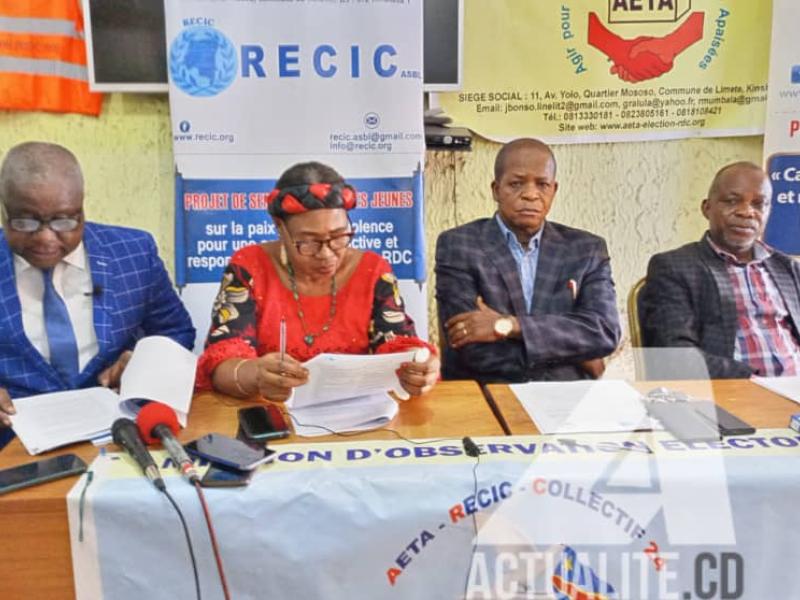
The Alliance pour l’Émergence et la Transformation en Afrique (AETA) has issued a pressing appeal to political and social stakeholders in the Democratic Republic of the Congo (DRC), urging them to prioritize the nation’s collective good over partisan interests. This bold statement comes at a critical juncture as the country faces mounting challenges demanding unified leadership and decisive action.
In a formal declaration, AETA emphasized that sustainable progress in the DRC can only be achieved when leaders set aside divisive agendas and commit to inclusive dialogue. The platform highlighted the urgent need for all factions to engage in constructive conversations that address the pressing socio-economic and political issues plaguing the nation.
The call to action follows growing concerns over the prolonged delays in national dialogue initiatives. AETA representatives stressed that without immediate and genuine collaboration among stakeholders, the DRC risks further instability and missed opportunities for development. They underscored the importance of transparency and accountability in governance to restore public trust and foster national cohesion.
Why this call for unity matters now
The timing of AETA’s intervention is not coincidental. With regional tensions escalating and internal divisions deepening, the DRC stands at a crossroads. The platform’s message resonates particularly strongly as citizens and observers alike question the effectiveness of existing political structures in delivering meaningful change. AETA’s appeal serves as a reminder that national progress hinges on collective responsibility and shared vision.
The organization also pointed to successful models of national dialogue in other African nations, where adversarial groups found common ground to advance the greater good. By drawing on these examples, AETA is positioning its call as both practical and visionary, offering a pathway to reconciliation and stability.
Key expectations from political leaders
AETA’s declaration outlined several critical expectations for political leaders and social actors:
- Commitment to inclusive dialogue: All parties must engage in good faith negotiations that include diverse voices from across the political spectrum and civil society.
- Transparency in decision-making: Leaders are urged to adopt open governance practices, ensuring that decisions are made with public oversight and accountability.
- Focus on national priorities: Political and social agendas should align with the urgent needs of the Congolese people, including economic recovery, security, and social justice.
- Rejection of divisive rhetoric: AETA condemned inflammatory language and actions that could exacerbate tensions and undermine national unity.
The platform warned that continued partisan infighting would only serve to weaken the DRC’s position on the global stage, making it increasingly difficult to attract investment and international support for critical development projects.
Public reaction and next steps
While AETA’s call has been met with cautious optimism by many civil society groups, some political observers remain skeptical about the willingness of key stakeholders to heed the message. Public sentiment appears divided, with some citizens expressing hope that this could be a turning point, while others question whether the political elite will prioritize national interests over personal ambitions.
AETA has announced plans to convene a series of public forums aimed at fostering dialogue and building consensus among disparate groups. These forums are expected to provide a platform for direct engagement between citizens and their leaders, creating an opportunity for accountability and collective problem-solving.
The organization has also called on international partners to support these efforts, emphasizing that external assistance will be crucial in facilitating meaningful dialogue and ensuring that the outcomes of any negotiations align with the needs and aspirations of the Congolese people.
As the DRC navigates this pivotal moment, the success of AETA’s initiative may well determine the trajectory of the country’s future. The coming weeks will be critical in assessing whether the nation’s leaders are ready to rise to the challenge and put the interests of the people first.