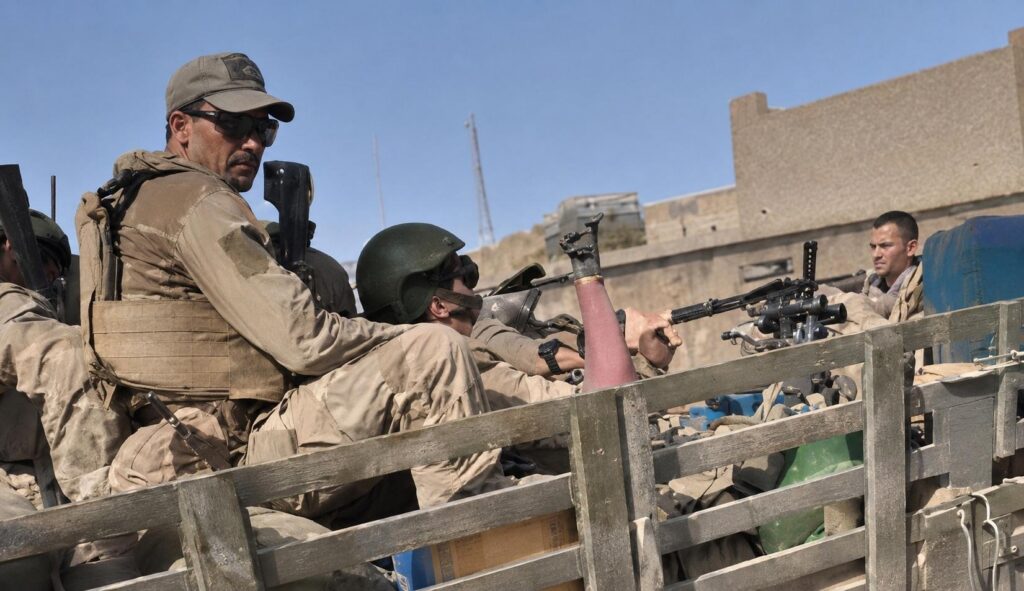
Kidal’s fall: a turning point for Mali’s alliance with Russian mercenaries
April 26, 2026, marked a dark chapter in Mali’s recent history. On that day, the city of Kidal—long hailed by Bamako as a symbol of regained national strength—fell once again into rebel hands. Yet the most striking aspect of this defeat wasn’t the military loss itself, but the behavior of the Russian mercenaries from Africa Corps (successors to the Wagner Group). While fierce fighting raged, they prioritized their own escape over supporting their Malian allies.
A coordinated offensive that overwhelmed defenses
The weekend of April 25 saw a rapid escalation. A coordinated assault by rebels from the FLA and jihadist factions of the JNIM swept across Mali, targeting strategic locations from Kati to Gao. The goal was clear: overwhelm government forces to force the fall of Kidal.
Facing this sudden onslaught, the Russian mercenaries—once portrayed as invincible warriors—panicked. Instead of launching a counterattack, they focused on securing their own retreat.
The shameful ‘corridor’ agreement
Among the most controversial revelations was the direct negotiation between Russian commanders and rebel leaders to secure a safe exit. This deal, which shocked both military observers and Malian officials, allowed the Russians to abandon their positions and weapons in exchange for a guarded passage out of Kidal toward Gao.
- Russian mercenaries abandon heavy weapons: In the agreement, they surrendered a significant portion of their artillery and armored vehicles.
- Malian troops left defenseless: The FAMa (Malian Armed Forces) were abandoned mid-battle, stripped of air support and logistical aid, placing them in extreme danger.
Officials in Bamako later described this retreat as a