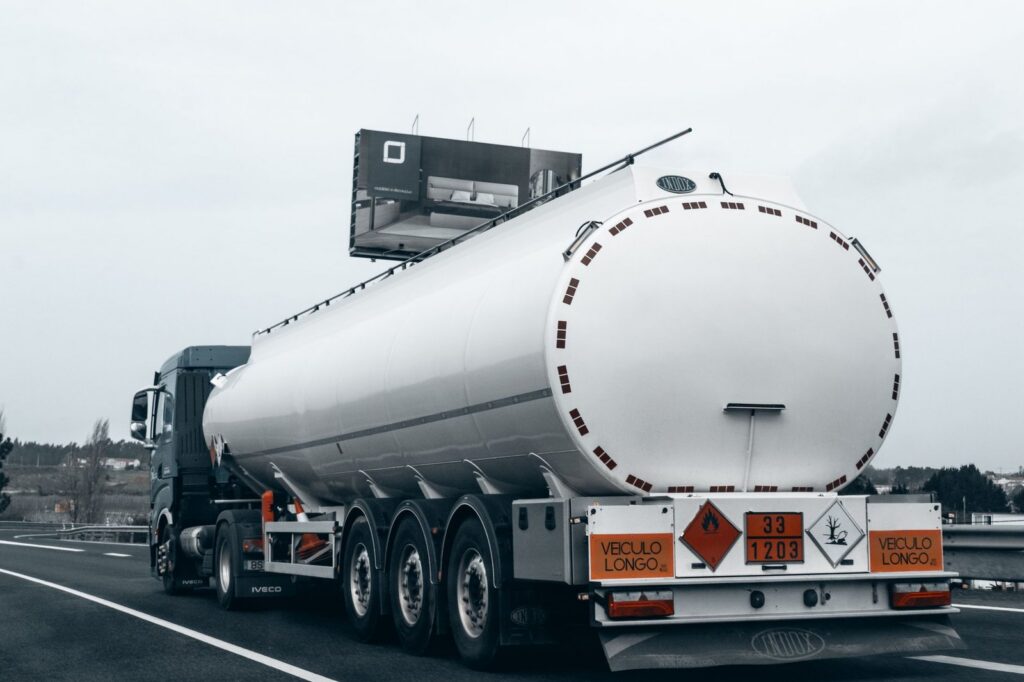
A historic convoy of 950 fuel tankers has finally reached Bamako, delivering a lifeline to a capital city choked by severe gasoline shortages. The massive procession, escorted by Mali’s armed forces, arrives at a time when fuel stations across the city face overwhelming demand, forcing long queues and paralyzing the nation’s economic pulse. The transitional government’s move underscores efforts to reopen vital trade routes despite relentless attacks by armed groups targeting key corridors linking Mali’s interior to coastal ports.
Fuel crisis cripples Mali’s economy
Since late September, Mali has faced one of its most severe fuel shortages in recent memory. Repeated ambushes on tanker convoys—especially along the Kayes-to-Bamako route and near the border with Côte d’Ivoire—have drastically slowed deliveries. Gas lines snake around fuel stations in the capital, where black-market prices for gasoline often double the official rate. Schools, public transport, light industries, and small businesses bear the brunt of the scarcity.
Landlocked and dependent entirely on imports via Dakar, Abidjan, Lomé, and Conakry, Mali’s energy supply chain is uniquely fragile. When these corridors come under attack—particularly by groups linked to Jama’at Nusrat al-Islam wal-Muslimin (JNIM)—the disruption becomes national in scale. Recent weeks have seen repeated claims of responsibility for attacks on fuel tankers, turning energy security into a matter of national survival.
Military escalation on fuel routes
To bring the 950 tankers safely to Bamako, Malian authorities deployed an unprecedented security operation. The armed forces, supported by air surveillance, secured the entire southern transit corridor. This shift marks a significant change: the state is now directly responsible for protecting fuel shipments—a role traditionally handled by private transporters and their own security teams.
But this militarization comes at a cost. It diverts military resources, delays deliveries, and pushes pump prices higher. It also highlights the transitional authorities’ struggle to restore full freedom of movement across the country, despite ongoing military operations in central and northern regions. The strengthened military partnership with Moscow, through the Africa Corps, has yet to deliver lasting security on major transit routes.
Regional ripple effect of Mali’s fuel crisis
The current crisis reveals the structural vulnerability of landlocked Sahel economies. Neighboring Burkina Faso and Niger—both members of the Alliance of Sahel States (AES)—face similar risks. Any prolonged disruption in West African trade corridors threatens to destabilize the entire region, driving up food prices, destabilizing diesel-generated electricity, and crippling the mining sector, a key revenue source for these nations.
The arrival of the fuel convoy in Bamako should ease pressure on the domestic market and allow stations to restock. Yet this relief is temporary. The underlying issues remain untouched: persistent insecurity on key axes, total reliance on foreign ports, and insufficient strategic reserves. Authorities have hinted at building buffer stocks and accelerating local refining projects, but such initiatives lie years away. Until then, each incoming convoy becomes both an economic necessity and a political milestone.