Sénégal explores debt solutions beyond IMF recommendations
With our correspondent in Dakar, Léa-Lisa Westerhoff
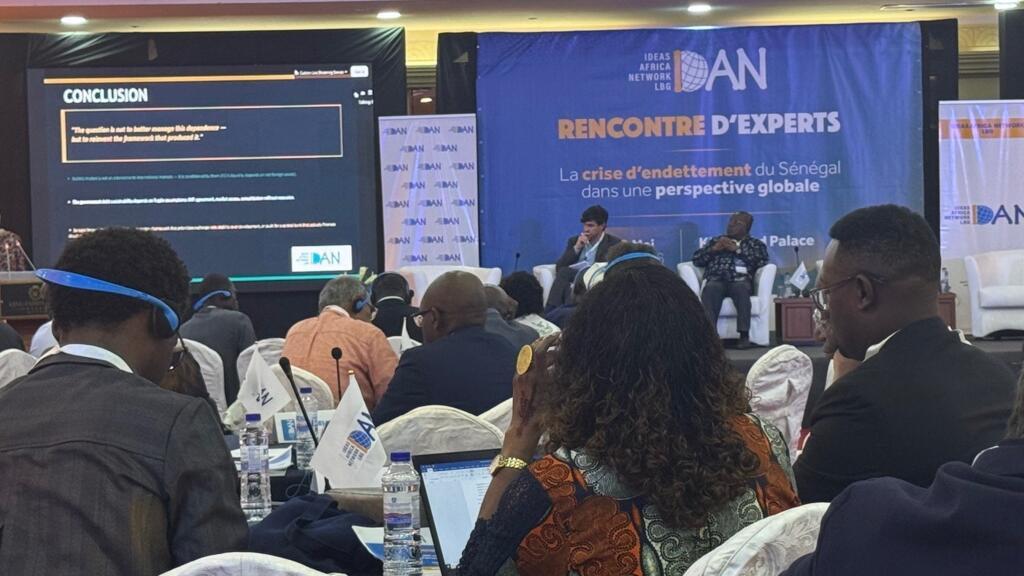
The eagerly anticipated conference on Senegal’s debt crisis in Dakar took an unexpected turn when Prime Minister Ousmane Sonko was notably absent due to illness, as confirmed by Justice Minister Yacine Fall. Stepping into his place, Ayib Daffé, leader of the ruling Patriotic Africans of Senegal for Work, Ethics, and Fraternity (PASTEF) parliamentary group, delivered a powerful message emphasizing the urgent need to “expand perspectives” and move beyond “single-minded policies”. His remarks subtly challenged the International Monetary Fund’s (IMF) proposed debt restructuring plan—a solution Dakar has firmly rejected.
“We need alternatives”
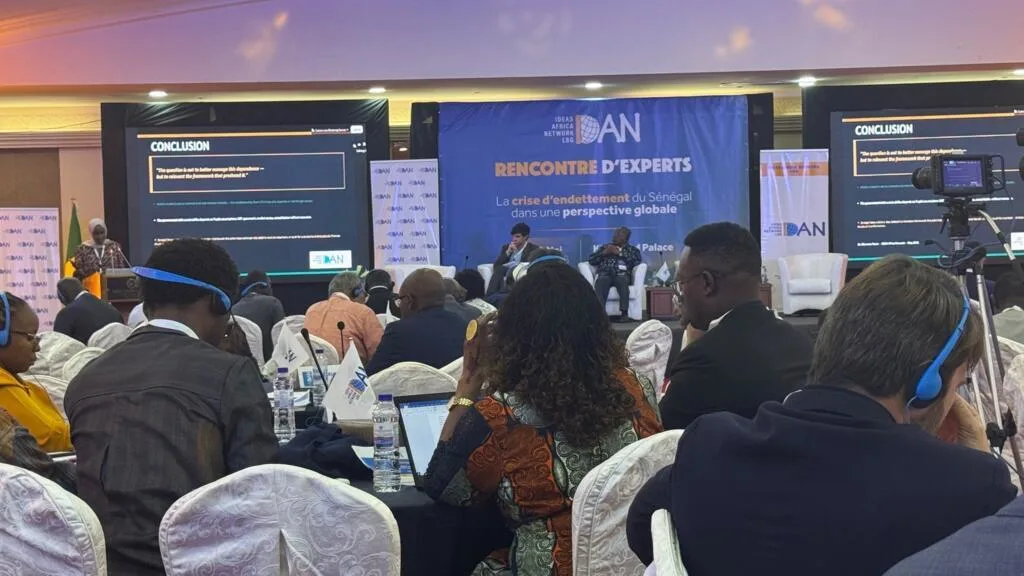
Economists at the conference unanimously agree that Senegal’s external debt has become unsustainable—a stark contrast to the government’s previous assurances. The country lacks the financial resources to meet its obligations to foreign creditors, warns economist Souleymane Bah. “Current state revenues aren’t sufficient to cover both principal and interest payments,” he explains. “Typically, the approach has been to borrow to repay, but with rising interest rates, this is no longer viable. We urgently need alternative solutions.”
The conference, organized by the think tank Ideas Africa Network, aims to explore these alternatives, as the IMF’s approach is deemed inadequate. Ndongo Samba Sylla, an economist and researcher with the network, criticizes the IMF for its purely accounting-focused, pro-creditor stance. “The IMF’s strategy prioritizes lending to signal creditworthiness and debt repayment capability over investing in economic transformation,” he argues.
Proposed solutions include monetary system reform, potential withdrawal from the West African CFA franc, and seeking cancellation of portions of the debt deemed “illegitimate” due to opaque contracting processes and lack of transparency during the previous administration.
Contradictory signals from the government
While experts in Dakar, under the patronage of the Prime Minister, deliberated on non-IMF solutions, President Bassirou Diomaye Faye was in Nairobi meeting with IMF Director Kristalina Georgieva. The outcome of these discussions remains undisclosed, leaving observers to question the government’s unified stance on debt management.
Key takeaways:
- Senegal’s external debt is deemed unsustainable by economists, despite government claims.
- The IMF’s restructuring proposals face rejection, with calls for alternative approaches.
- Proposed alternatives include monetary reforms and debt cancellation for “illegitimate” obligations.
- Mixed signals emerge as officials explore both IMF and non-IMF debt solutions.