
The Senegalese justice system has taken a decisive step in probing a controversial 45 billion CFA francs arms procurement contract, signed during the tenure of former President Macky Sall. Two individuals have been remanded in custody in Dakar following a complaint filed by the Agence Judiciaire de l’État (AJE), the public entity tasked with protecting government assets. This case, one of the most scrutinized by the current administration, underscores its commitment to auditing strategic contracts from the previous regime.
State legal action drives the investigation forward
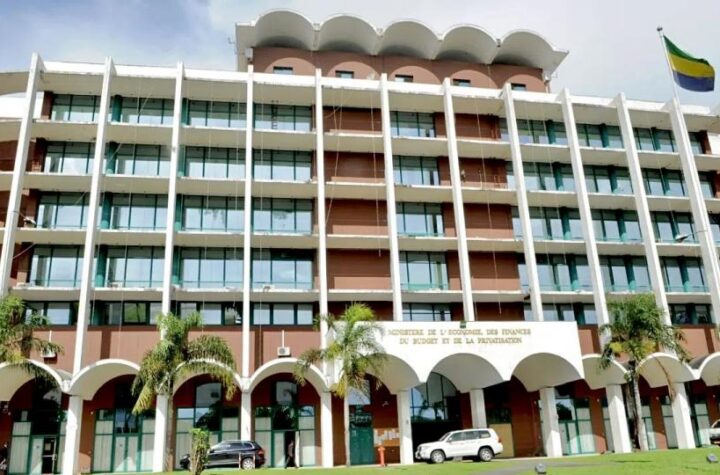
The legal proceedings were initiated by the AJE, whose influence has expanded under President Bassirou Diomaye Faye and Prime Minister Ousmane Sonko since 2024. As an agency under the Ministry of Finance, the AJE serves as the state’s legal enforcement arm to recover misappropriated or diverted public funds. By filing the complaint, it triggered a judicial inquiry, leading to the questioning of key figures involved in the arms deal’s supply chain.
After evaluating the evidence, investigating judges found sufficient grounds to issue provisional detention orders. The 45 billion CFA francs (approximately €69 million) involved ranks this case among Senegal’s most significant financial disputes in recent months. Since the 2024 publication of the Cour des Comptes report highlighting past fiscal irregularities, the new government has accelerated such legal actions.
An arms contract shrouded in secrecy
The disputed contract involved the purchase of defense and security equipment, finalized during Macky Sall’s presidency (2012–2024). This period saw a surge in security spending, driven by regional instability in the Sahel and military operations in southern Senegal, particularly in the Casamance region. Many arms deals were conducted under emergency procedures, bypassing standard parliamentary oversight due to national security classifications.
Now, the current administration is dismantling this opacity. Investigators are examining whether deliveries matched contractual terms, if unit prices aligned with global benchmarks, and whether overbilling or hidden commissions occurred. The inquiry must determine if any portion of the 45 billion CFA francs was diverted or if intermediaries profited unfairly from inflated margins.
Political stakes and diplomatic challenges
Beyond legal implications, the case carries significant political weight. The Sonko-Faye government has made accountability a cornerstone of its agenda, and the detention of former officials tied to past contracts reinforces its narrative of systemic reform. Several high-ranking figures have already been questioned in related cases involving hydrocarbons, infrastructure, and land deals.
However, the arms deal presents unique diplomatic hurdles. Contracts of this nature often involve foreign suppliers, sometimes linked to state-backed entities, complicating international judicial cooperation. Dakar must balance its transparency demands with preserving critical military partnerships, including ties with France amid its evolving defense strategy and emerging collaborations with Turkey, Israel, and Gulf states.
As the inquiry progresses, details about the detained individuals and the timeline remain undisclosed. The financial branch of the court may require months—or longer—to unravel complex accounting records and potentially pursue cross-border rogatory commissions. With the investigative phase now underway, the case is poised to shape both Senegal’s legal and geopolitical landscape.

More Stories
Niger: Tiani faces fallout from special forces anger after Russian intervention
Mali : 17 morts dans les rangs des dozos, le JNIM accentue sa pression
Sahel : le pari des juntes tourne-t-il à l’échec sécuritaire ?