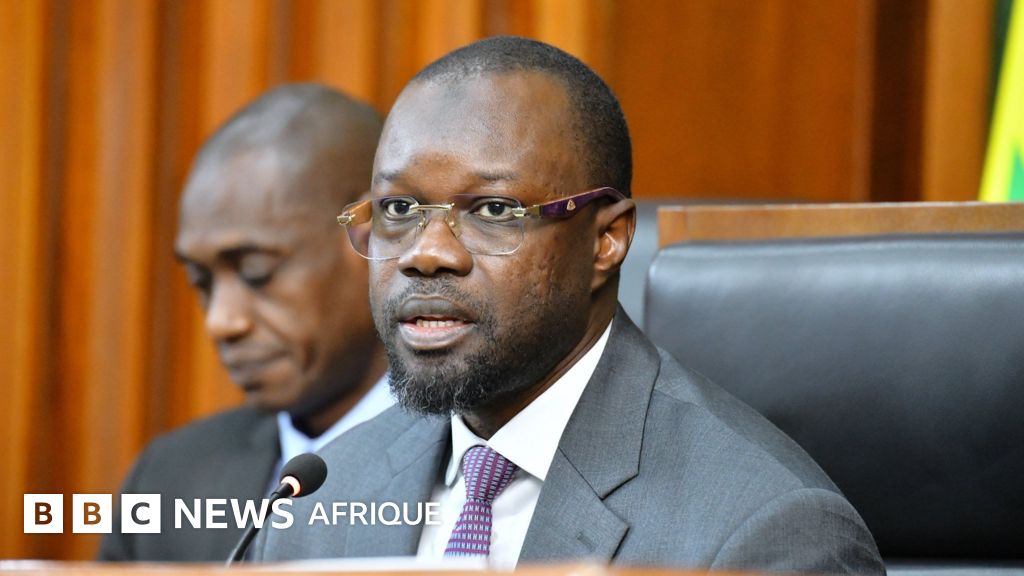
The legislative landscape in Sénégal is set for a historic shift as the constitutional revision proposal, recently greenlit by the Assemblée nationale, heads toward a national referendum. This decisive move ensures that the citizens will have the final say on the structural transformations championed by the ruling majority.
During a session with deputies on Monday, June 29, Justice Minister Moussa Sarr announced that President Bassirou Diomaye Faye has chosen to trigger Article 103 of the Constitution. This provision allows the Head of State to bypass a simple parliamentary finalization in favor of a direct popular vote.
The proposed overhaul, a cornerstone of the PASTEF platform, seeks to recalibrate the nation’s institutional framework. Key objectives include elevating the authority of the Parliament, redefining the working relationship between the Presidency and the Prime Minister, and replacing the current Conseil constitutionnel with a more robust Cour constitutionnelle.
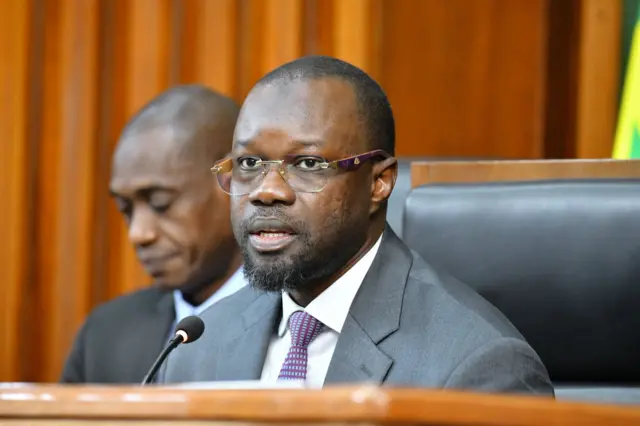
The decision to hold a referendum comes amid intense political discourse in Dakar. While proponents argue the reform is a vital step toward modernized governance, critics express concerns that the changes might disrupt the traditional balance of power. This public consultation will allow the Senegalese people to weigh in on a project that was a central promise of the 2024 presidential campaign.
The drivers behind the constitutional shift
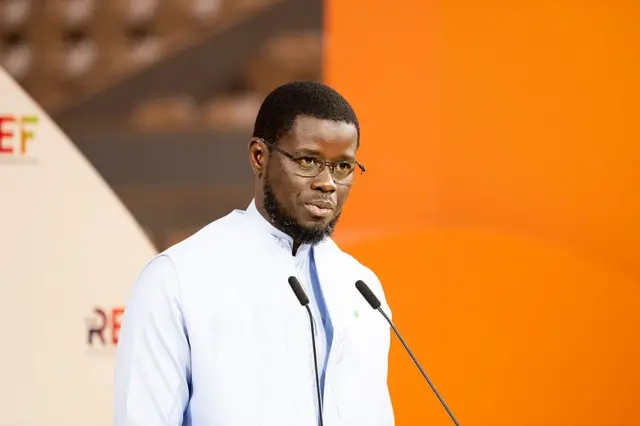
This reform initiative is rooted in a desire to break away from a political system that many supporters believe concentrated excessive authority within the presidency. Since taking office in March 2024, Bassirou Diomaye Faye has navigated a complex political environment, maintaining his ties to PASTEF while establishing his own presidential identity.
The current debate highlights a push for a more equitable distribution of institutional responsibilities. Supporters view these updates as necessary corrections to decades of power imbalances, whereas opponents remain wary of how these shifts might alter the core of the Senegalese regime.
Core transformations in the proposed text
Evolution of the judicial watchdog
Perhaps the most significant change is the transition from the Conseil constitutionnel to a new Cour constitutionnelle. This body would see its membership grow from seven to nine members, with seven of those being judges. While the six-year non-renewable term remains, the court’s jurisdiction would expand significantly.
This new high court would serve as the ultimate authority on constitutional, electoral, and referendum-related matters. It would also gain the power to review administrative acts tied to national elections and handle constitutional challenges raised in higher courts. Notably, the Prime Minister would gain the right to refer matters directly to this court—a power previously limited to the President and a specific threshold of deputies.
A shared executive vision
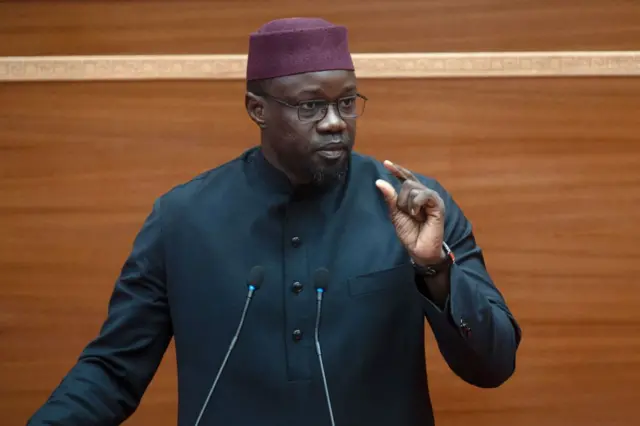
The reform introduces a collaborative approach to national policy. While the President remains the central figure of the state, the new text specifies that national policy is determined “in consultation with the Prime Minister.” This subtle change in wording signals a shift toward institutional cooperation rather than unilateral presidential decree.
Furthermore, the Prime Minister could be authorized to preside over the Conseil des ministres under specific conditions delegated by the President. This adjustment aims to decentralize the daily management of government actions while keeping the President as the ultimate arbiter of the state’s strategic direction.
Separating the State from the Party
To ensure institutional neutrality, the reform explicitly forbids the President of the Republic from leading a political party or coalition while in office. The Head of State would be restricted to purely honorary roles within their party and could only participate in electoral campaigns if they are personally seeking re-election. This measure is designed to prevent the confusion of state resources with partisan interests.
Strengthening legislative oversight
The Assemblée nationale is slated for a significant upgrade in its oversight capabilities. The reform grants deputies the power to form commissions of inquiry with the authority to audit any relevant individual. Additionally, the government would be legally required to provide transparent reports on the management of natural resources and strategic investment contracts.
In a push for professional focus, the text also bans ministers from concurrently serving as mayors or heads of departmental councils, forcing a clear choice between national and local governance roles.
Securing presidential transitions

The reform introduces a legal framework to govern the sensitive period between a presidential election and the inauguration of a successor. During this transition, an outgoing president would be prohibited from signing major international conventions or entering into long-term strategic contracts that could bind the incoming administration, ensuring a smoother handover of power.
What remains untouched
Despite these extensive updates, the fundamental pillars of Sénégal’s democracy remain intact. The President will still be elected via universal suffrage for a maximum of two five-year terms. The republican nature of the state and the essential protections under Article 103 are preserved, indicating that this is an institutional recalibration rather than the founding of a new Republic.