
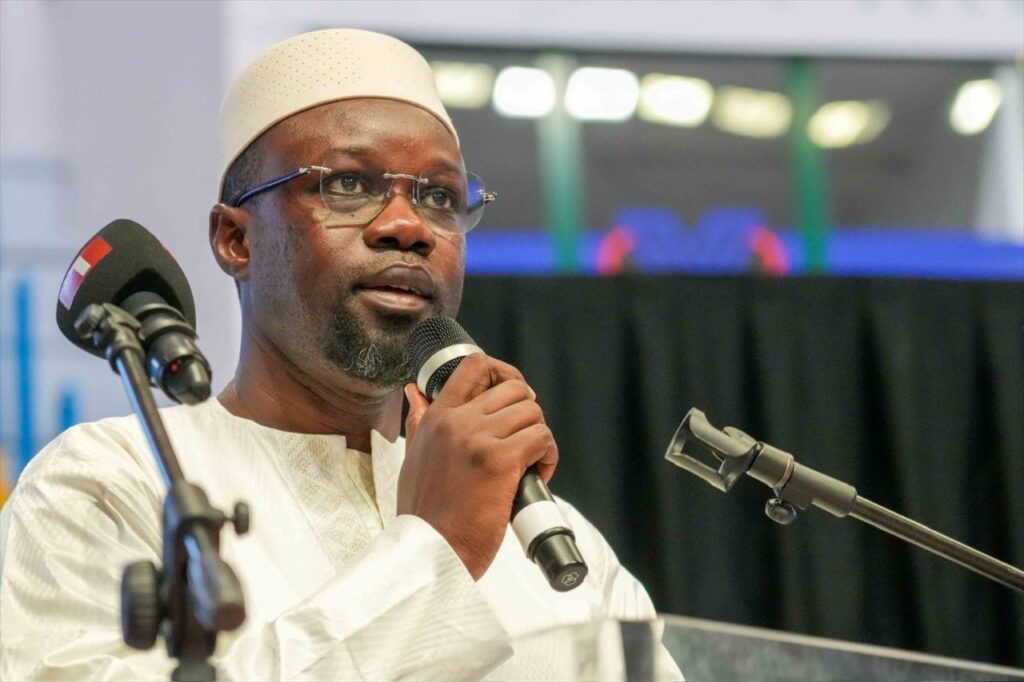

Political turmoil escalates in Senegal as Assembly leader resigns
Senegal’s political landscape remains in flux as the country witnesses a dramatic shift in its parliamentary leadership. Just 48 hours after Prime Minister Ousmane Sonko was relieved of his duties, National Assembly President Malick Ndiaye announced his resignation from the prestigious position on Sunday, May 25. The decision came shortly after a pivotal meeting of his party, Pastef.
Ndiaye, who once ranked as the second most influential figure in the Senegalese government, shared his reasoning in a Facebook post. “After deep reflection, guided by a sense of responsibility, duty, and the supreme interest of the nation, I have decided to resign from my role as President of the National Assembly of Senegal,” he stated. “This choice reflects my commitment to institutional integrity, public accountability, and the greater good of our country.”
During his tenure, Ndiaye dedicated his efforts to strengthening the Assembly’s institutional framework, enforcing transparency, and expanding its national and international influence. His departure marks a significant turning point in Senegal’s political trajectory.
Ousmane Sonko poised for parliamentary leadership
The same day, the Assembly reinstated Deputy Ousmane Sonko, following a turbulent week that saw his removal as Prime Minister. On Tuesday, May 26, a new election for Assembly President will take place, and all signs point to Sonko as the frontrunner. His party, Pastef, holds a commanding majority in parliament, positioning him for a swift ascent to the second-highest office in the land.
This rapid political evolution—from ousted Prime Minister to potential Assembly President—exemplifies the shifting power dynamics in Senegal. Within 72 hours, Sonko’s career trajectory has undergone a dramatic transformation, underscoring the volatility of the current political climate. With local elections approaching and the 2029 presidential race on the horizon, alliances, power struggles, and strategic maneuvers are expected to dominate the national discourse.
A critical question looms over Senegal’s future
One major uncertainty remains: Will President Bassirou Diomaye Faye dissolve the National Assembly when the constitutional deadline expires in December? The decision could reshape the political landscape, further intensifying the rivalry between Faye and Sonko.
Meanwhile, Senegal remains on edge as it awaits the announcement of a new Prime Minister. The political tension shows no signs of easing, with the formation of a new government hanging in the balance.

More Stories
Niger: Tiani faces fallout from special forces anger after Russian intervention
Mali : 17 morts dans les rangs des dozos, le JNIM accentue sa pression
Sahel : le pari des juntes tourne-t-il à l’échec sécuritaire ?