
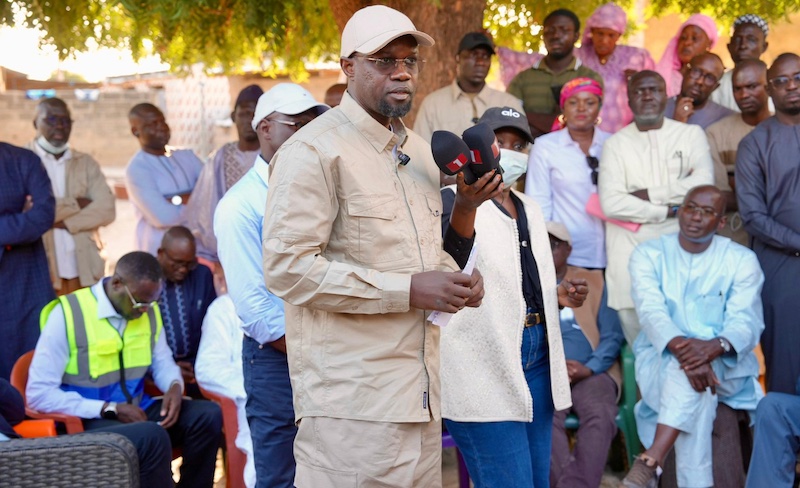
The Prime Minister of Senegal, Ousmane Sonko, has placed the spotlight on the upcoming 2026-2027 rainy season agricultural campaign during a recent Council of Ministers meeting. While acknowledging the commendable efforts of national agencies like the Senegalese Institute for Agricultural Research (ISRA) and the Chemical Industries of Senegal (ICS) in producing certified seeds and fertilizers, the head of government delivered a candid assessment of the sector’s persistent challenges. Despite progress, structural weaknesses continue to impede the nation’s path to food self-sufficiency.
Seed self-sufficiency, credit access and storage infrastructure top priorities
Key concerns raised by the Prime Minister include the ongoing deficit in seed self-sufficiency, quality inconsistencies observed in the last farming cycle, flaws in producer targeting systems, and the persistent barriers to agricultural credit. Additionally, Sonko highlighted critical gaps in farm equipment maintenance and alarmingly inadequate storage facilities nationwide. To tackle these issues head-on, he has mandated urgent measures to accelerate the digitalization of the agricultural supply chain—a strategy already yielding promising results in pilot zones like Tivaouane and Nioro. Until a comprehensive overhaul of subsidy systems is implemented, state agencies must enforce strict transparency in cost management and ensure the timely distribution of farming inputs across all regions of Senegal.



More Stories
Niger: Tiani faces fallout from special forces anger after Russian intervention
Mali : 17 morts dans les rangs des dozos, le JNIM accentue sa pression
Sahel : le pari des juntes tourne-t-il à l’échec sécuritaire ?