
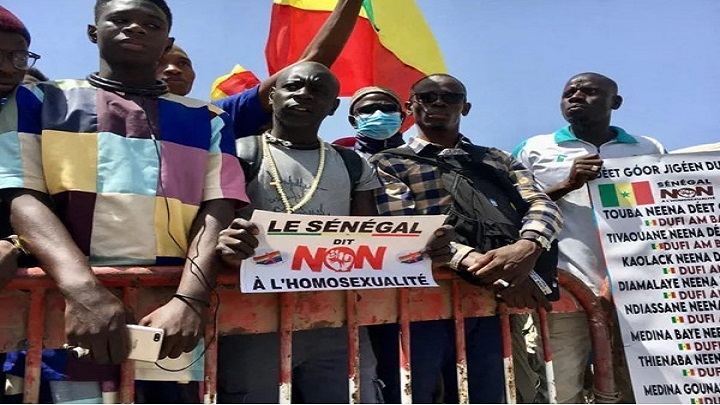
Tensions have flared between Senegal and France following the adoption of a stricter anti-LGBTQ+ law in Dakar and the detention of a French national in the capital earlier this year. The developments have intensified debates over human rights, state sovereignty, and international diplomacy, with both countries adopting firm positions on the issues at hand.
The Senegalese government recently passed legislation that significantly increases penalties for same-sex relations, a move authorities claim aligns with the country’s deeply rooted sociocultural values. While homosexuality was already criminalized under existing laws, the new provisions represent a marked escalation in enforcement, drawing swift criticism from human rights organizations and foreign governments.
Amid this legislative shift, a French engineer residing in Dakar was arrested in February 2026. The individual, now facing multiple charges including unnatural acts, criminal association, money laundering, and alleged HIV transmission, remains in detention. French consular officials have confirmed they are closely monitoring his case and maintaining regular contact with both the detainee and his family.
In France, political figures have condemned the situation, with some lawmakers describing the law as a violation of fundamental rights. A prominent voice in these discussions has been that of Yaël Braun-Pivet, who publicly criticized the criminalization of sexual orientation, framing it as an affront to universal human rights principles. Her remarks have sparked a broader conversation about the ethical and legal dimensions of LGBTQ+ rights in Senegal.
The dispute over the law has exposed deep divisions between Western and African perspectives on individual freedoms, cultural sovereignty, and legal frameworks. While some argue that international pressure is necessary to protect vulnerable groups, others view such interventions as unwarranted interference in the affairs of a sovereign nation. Senegalese officials have firmly rejected external criticisms, emphasizing that national laws must reflect the country’s unique social and cultural context.
This disagreement comes at a time when Senegal and France are reassessing their long-standing partnership, particularly in areas like trade, security, and diplomacy. The evolving nature of their relationship has occasionally led to friction, with disputes over sensitive issues becoming more frequent. The anti-LGBTQ+ law has now emerged as a central point of contention, underscoring the challenges of maintaining a balanced and respectful dialogue between the two nations.
As official discussions continue, the situation highlights the complex interplay between human rights advocacy and state sovereignty. The case of the detained French national has further complicated matters, drawing attention to the broader implications of such laws for both local and international communities. With no immediate resolution in sight, the debate promises to remain a defining feature of Senegal-France relations in the months ahead.




More Stories
Niger: Tiani faces fallout from special forces anger after Russian intervention
Crisis in Niger, IMF agreement in Sénégal, and Moroccan elections: Five essential stories
RDC-Israël : un rapprochement aux enjeux multiples