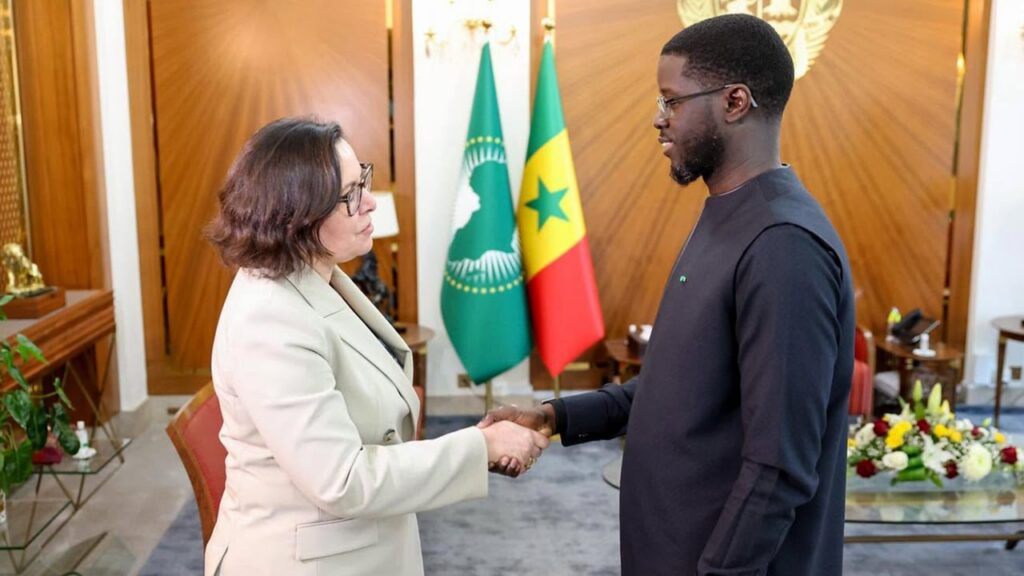

Senegal’s economic landscape has been under intense scrutiny as the International Monetary Fund (IMF) wrapped up a critical review of the country’s debt strategy. The discussions, held in Dakar, centered on managing the nation’s financial obligations while ensuring sustainable growth. Key stakeholders from both sides engaged in detailed exchanges to align priorities and address pressing fiscal challenges.
Core objectives of the IMF’s assessment
During the mission, the IMF delegation evaluated Senegal’s debt trajectory, focusing on transparency and long-term viability. The team assessed fiscal policies, revenue generation, and expenditure frameworks to determine how well the country is positioned to meet its obligations without stifling development.
Transparency in debt management
A major highlight of the talks was the push for greater clarity in how Senegal’s debt is structured and utilized. Officials emphasized the need to avoid hidden liabilities, which have historically posed risks to the country’s economic stability. The IMF underscored the importance of robust financial governance to prevent future crises.
Macroeconomic stability and growth
The discussions also explored ways to balance debt servicing with investments in critical sectors. Senegal’s leadership outlined plans to channel resources into infrastructure, education, and healthcare, ensuring that fiscal adjustments do not derail essential public services. The IMF praised the government’s commitment to maintaining macroeconomic stability amid global economic uncertainties.
Key outcomes and next steps
The IMF mission concluded with provisional agreements on several fronts. Both parties agreed to collaborate closely on refining debt management practices and enhancing fiscal transparency. A follow-up review is scheduled to assess progress and provide further recommendations.
President Faye’s role in steering the dialogue
President Bassirou Diomaye Faye played a pivotal role in the negotiations, reaffirming his administration’s dedication to prudent economic policies. His engagement with the IMF delegation signaled a proactive approach to addressing debt challenges while fostering an environment conducive to private sector growth and foreign investment.
Challenges and opportunities ahead
While Senegal faces significant fiscal pressures, the IMF’s engagement offers a pathway to stabilize public finances. The government’s ability to implement agreed reforms will be crucial in unlocking new financing avenues and maintaining investor confidence. Analysts view this mission as a step toward reinforcing Senegal’s reputation as a reliable partner in the global economy.