After three years of strained relations that led to a complete border blockade, Niger and Benin have signaled a historic shift toward reopening their shared frontier.
The breakthrough follows intensive negotiations in Cotonou over the weekend, where both nations reached key agreements addressing security concerns and trade facilitation. This development marks a turning point after a prolonged political, economic, and diplomatic standoff that has weighed heavily on both economies.
milestones achieved in Cotonou talks
A high-level delegation from Niger, led by Interior Minister General Mohamed Toumba, engaged in two days of intensive discussions with Beninese officials. The meetings resulted in several landmark understandings:
- Enhanced security cooperation: Commitments to strengthen border surveillance and joint counterterrorism efforts in frontier zones.
- Trade normalization: Agreement to lift transit taxes and streamline customs procedures for goods moving between the two countries.
- Tariff adjustments: Reassessment of certain levies to reduce trade barriers and revive economic exchanges.
- Dispute resolution: Framework established to settle lingering legal and administrative conflicts.
Speaking at the close of the talks, General Toumba emphasized the strategic importance of dialogue: “We have prioritized security while laying the groundwork for economic and legal normalization. This dialogue will create value for our economies, security for our people, and hope for our youth.”
a new leadership sparks diplomatic thaw
The easing of tensions coincides with a change in leadership in Benin. President Romuald Wadagni, who took office in April, wasted no time in initiating rapprochement. Within a week of his inauguration, he made a historic visit to Niamey on June 2, rekindling bilateral relations that had been frozen since 2023.
Three weeks later, the two governments are now translating their joint communiqué into action. A joint commission has been tasked with reviewing the circumstances surrounding the 2023 border closure and removing obstacles to deeper cooperation—especially in trade, security, and regional stability.
Beninese Industry and Trade Minister Oleshegun Adjadi Bakari shared his optimism: “After 48 hours of intensive dialogue, both delegations now share a single vision: to restore the deep, centuries-old bond between our peoples.”
what led to the three-year rupture
Relations between Benin and Niger deteriorated sharply after the July 2023 military takeover in Niger, which replaced President Mohamed Bazoum—a figure seen as close to Western partners—with General Abdourahmane Tiani.
Niger’s new leadership accused the previous Beninese administration and other regional leaders of plotting a military intervention with support from the Economic Community of West African States (ECOWAS) to restore constitutional order. Accusations flew that Benin was hosting French troops preparing to invade Niger, claims both Cotonou and Paris consistently denied.
The junta also criticized Benin for its role in implementing ECOWAS sanctions, including the regional border closure following the coup. Tensions escalated further amid allegations of support for armed groups in Niger and involvement in a failed coup attempt against Benin’s President Talon in December 2023.
economic toll of a closed border
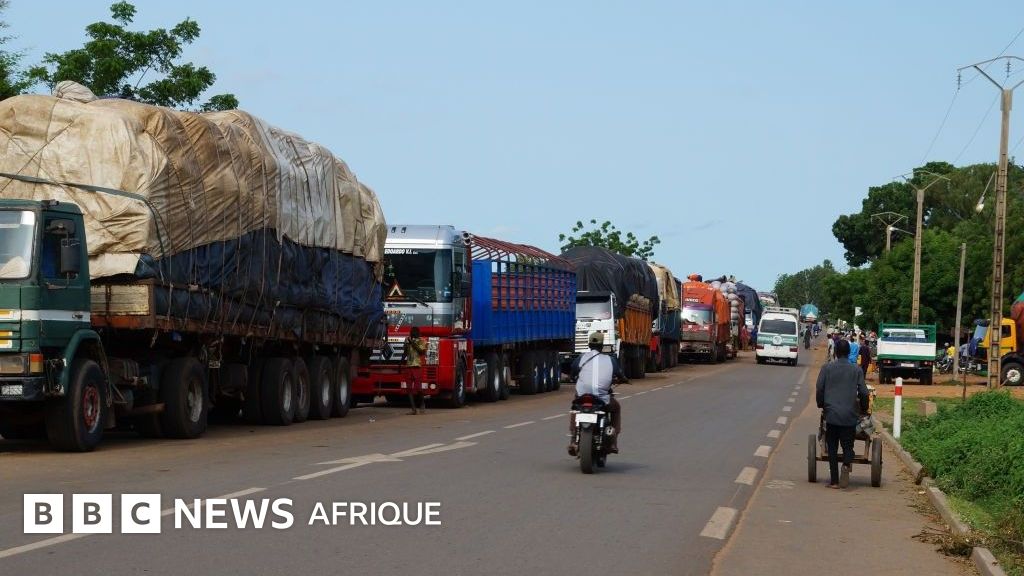
The prolonged blockade has taken a severe toll on both nations. Once a thriving commercial corridor, the Niger-Benin route now lies dormant. Trucks carrying vital goods—from fuel to food—have been stranded for months, their cargoes spoiling under the equatorial sun.
Ibrahim Abou Koura, a transporter based in Cotonou, described the scene: “My once-busy warehouse, which once handled shipments bound for Niger, now stands nearly empty. The communities on both sides are paying the price.”
As a landlocked nation, Niger relies heavily on the Port of Cotonou for international trade. The closure disrupted supply chains, led to shortages of essential goods like cereals, and forced transporters to reroute shipments through Lomé—adding thousands of kilometers, higher costs, and exposure to jihadist threats in Burkina Faso.
Even the Beninese port suffered. Once the main gateway for Niger’s exports, including oil transported via the 2,000-kilometer pipeline operated by WAPCO, Cotonou saw its activity plummet. Many businesses that depended on Niger as a key trading partner have since relocated or downsized.
With the new agreements now awaiting final approval from both governments, a cautious optimism is taking hold. Drivers, traders, and families on both sides of the frontier are watching closely—hoping that the long winter of closed borders is finally giving way to a spring of renewal.