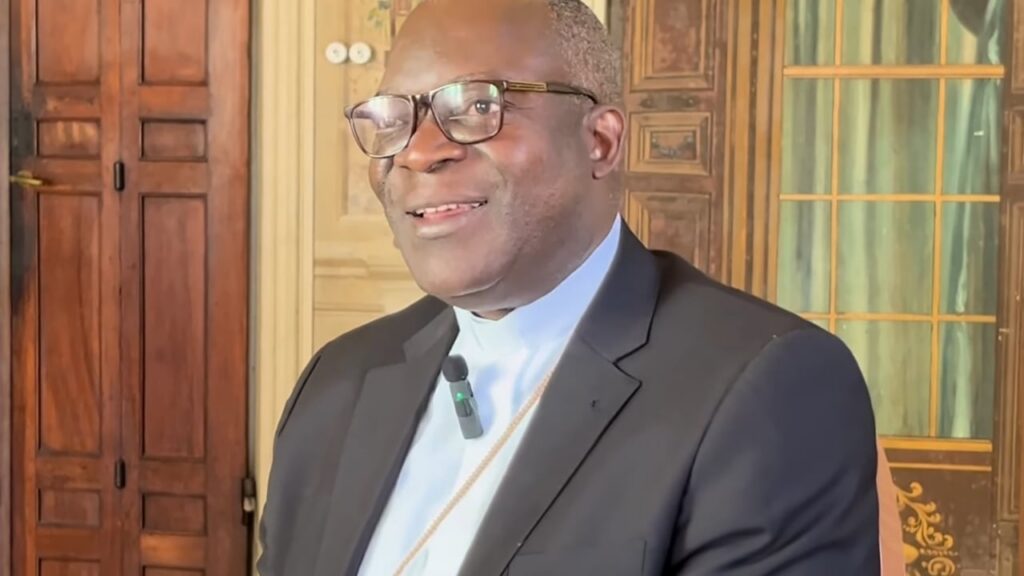
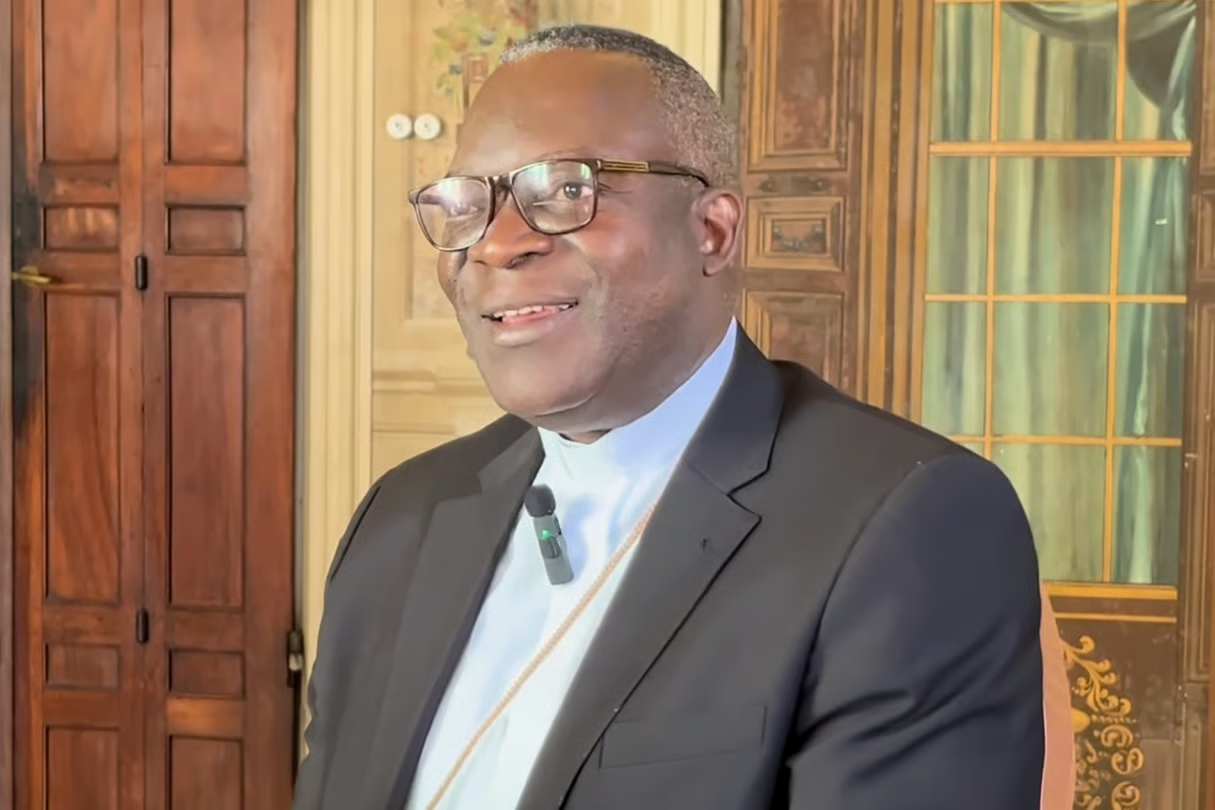
The head of the National Episcopal Conference of Congo (Cenco) has sharply criticized the proposed constitutional referendum, calling it untimely in a nation gripped by persistent conflict.
In a candid interview, Bishop Fulgence Muteba underscored that the current security crisis renders the timing of such a vote deeply problematic. “The country is at war, and pushing for a referendum now risks deepening divisions rather than resolving them,” he asserted.
Why the timing is questioned
The Bishop’s remarks highlight growing concerns over the referendum’s alignment with national priorities. With armed groups active in eastern regions and millions displaced, critics argue that constitutional reforms should take a backseat to peace and stability.
The proposed changes, which could reshape the country’s political landscape, have sparked intense debate. Supporters claim they are necessary for modernization, while opponents warn they could exacerbate existing tensions. Bishop Muteba’s stance reflects broader skepticism about the process.
Cenco’s role in shaping national discourse
The National Episcopal Conference of Congo has long been a voice for moderation and social justice. By voicing reservations about the referendum, the Cenco is reinforcing its position as a moral authority guiding the nation through turbulent times.
Its leaders have repeatedly called for inclusive dialogue to address the root causes of instability, emphasizing that lasting solutions must emerge from consensus—not rushed legislative changes.
The Bishop’s intervention arrives as political factions clash over the referendum’s legitimacy. His warnings serve as a reminder that national unity cannot be forged through divisive processes.