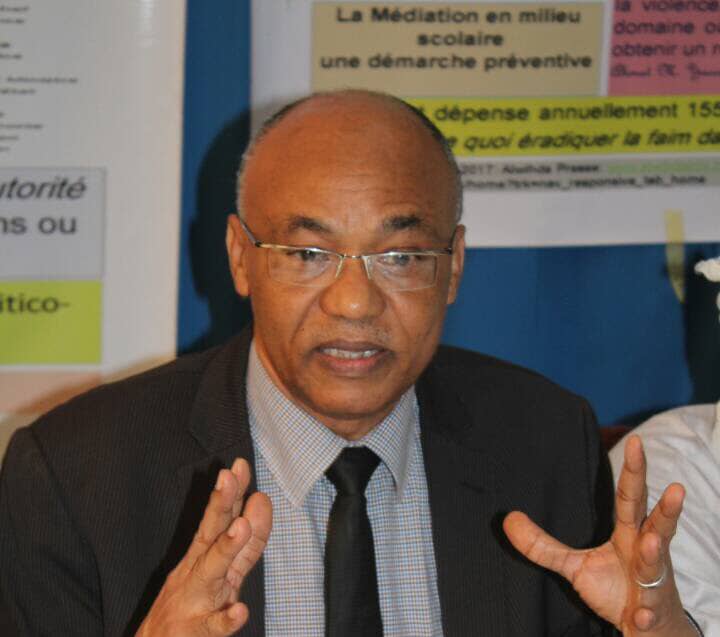
Tchad: why the presidential pardon of opponents matters
Political analyst Ahmat Yacoub Dabio views the presidential pardon granted to Tchadian opposition figures as a significant gesture of easing tensions, though one that falls short of ensuring lasting reconciliation.
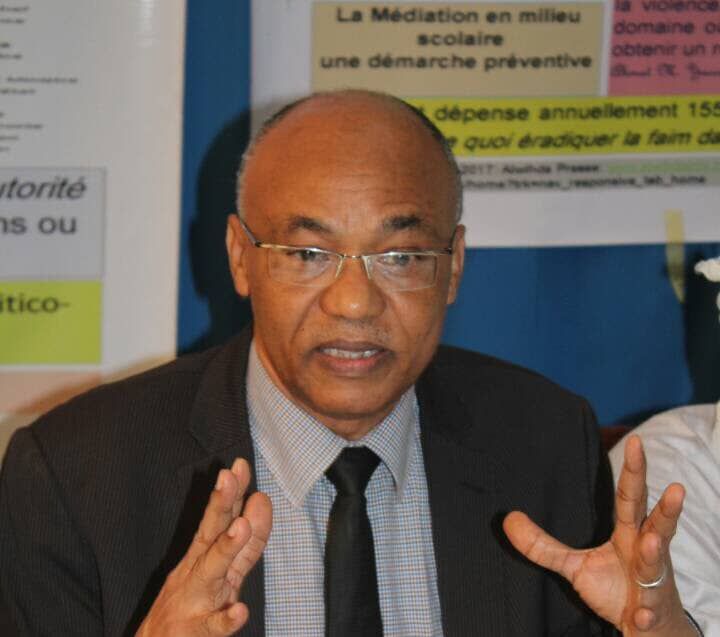
The recent presidential pardon granted to key opposition figures in Tchad represents a significant political move, according to Ahmat Yacoub Dabio, a leading conflict-resolution expert. As president of the Centre for Development and Extremism Prevention Studies (CEDPE), he notes that this decision temporarily eases political tensions and creates room for dialogue. However, he warns against conflating clemency with lasting reconciliation. The core issue remains: what conditions are needed for enduring political de-escalation?
The stakes are high, particularly because several prominent opposition leaders remain ineligible to run in elections. This paradox highlights a critical gap: while some benefit from presidential clemency, others remain sidelined from the electoral process. According to the CEDPE, this dynamic is set to reshape Tchad’s political landscape. Traditional parties may struggle to adapt, but the shift could also pave the way for a new generation of leaders, more focused on pressing issues like employment, purchasing power, security, and justice.
Yet, there’s a looming risk. If the perceived exclusion of these leaders is seen as permanent, it could deepen frustrations. Ahmat Yacoub Dabio emphasizes that presidential pardons alone cannot restore trust between the government and opposition. Tchad needs a credible, inclusive, and transparent framework to ensure this opening leads to genuine national reconciliation.

More Stories
Can Senegal’s local elections be Bassirou Diomaye Faye’s make-or-break moment?
Senegal’s parliament: What power does Ousmane Sonko hold to derail the 2026 budget?
Senegal’s December 2 dilemma: can Diomaye Faye’s gamble reshape the nation’s future?