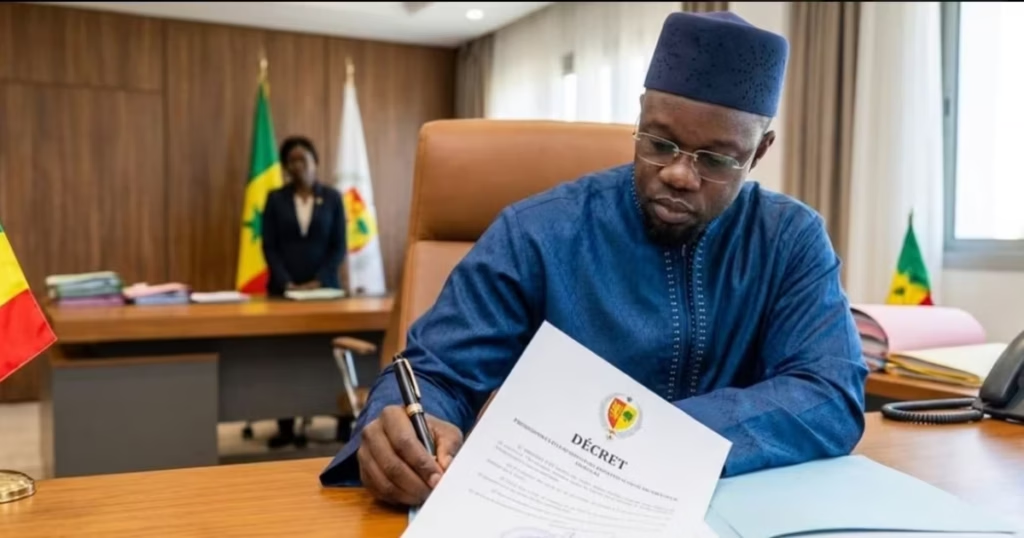
The countdown has begun. On December 2, 2026, Senegal’s president will gain a constitutional power that could redraw the political map: the ability to dissolve the National Assembly. But with a fractured majority and a new party in its infancy, is this a strategic masterstroke or a high-stakes gamble?
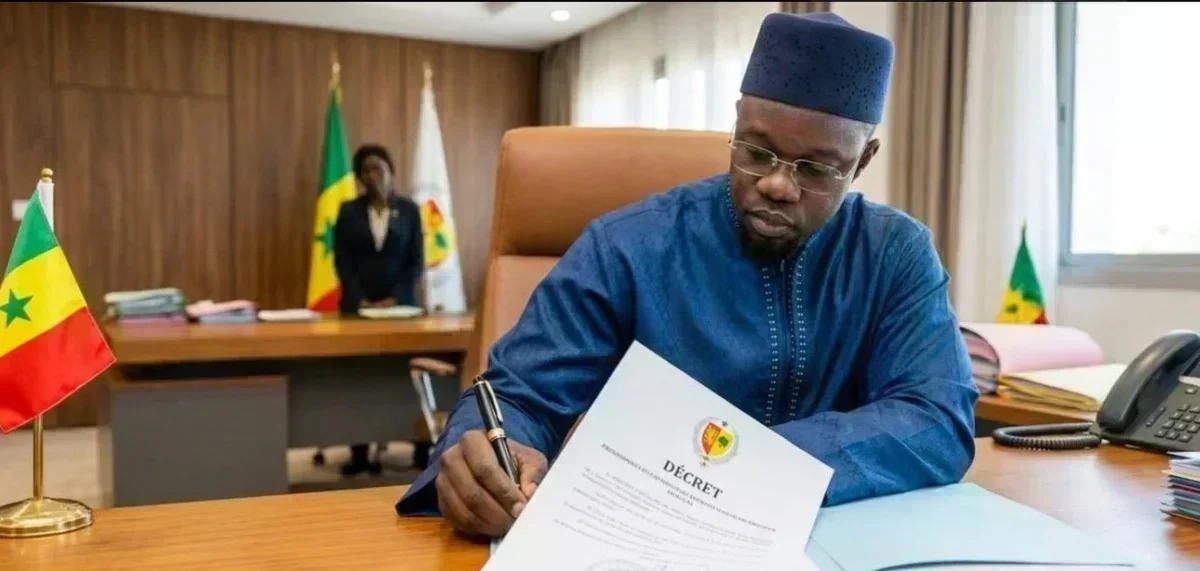
The constitutional clock is ticking. Under Senegal’s Article 87, the president may dissolve the National Assembly only after two years of a legislative term—an opportunity that arrives on December 2, 2026, exactly two years after the current Assembly was seated in 2024. But this isn’t just a procedural milestone; it’s a political crossroads that could determine the balance of power for the remainder of President Bassirou Diomaye Faye’s mandate.
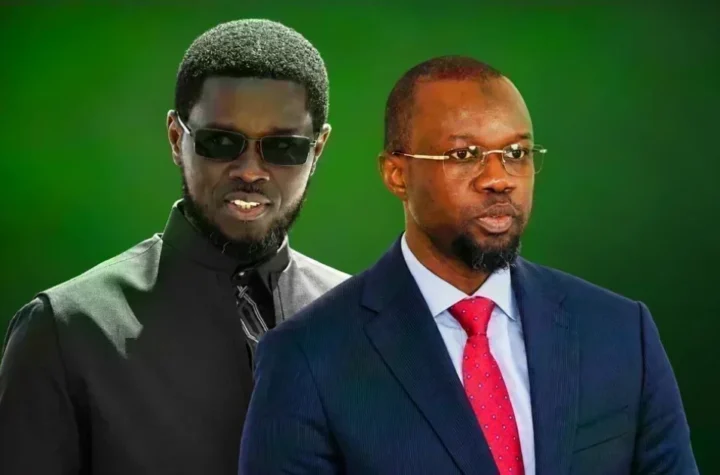
Since the historic break with Ousmane Sonko’s Pastef party on May 22, 2026, the president has been operating without a parliamentary majority. The Assembly is now led by Sonko’s allies, while Faye has consolidated his own movement, Kiiraay, into a new government. What was once an alliance now resembles a fragile cohabitation—one that could fracture further if the president chooses to deploy his new constitutional tool.
The constitutional countdown and the high cost of a gamble
Should President Faye sign the dissolution decree on or after December 2, Senegal would face an accelerated legislative campaign. The Constitution mandates elections within 60 to 90 days, potentially pushing the vote into late January or early March 2027. This timeline, however, clashes with another critical deadline: the January 17, 2027 local elections. Organizing two nationwide votes in close succession presents a massive logistical and economic burden. The last legislative dissolution in 2024 cost the state over 20 billion FCFA, a figure that could rise with additional polling stations and expanded voter rolls.
Finance Minister Serigne Guèye Diop has already drawn connections between political decisions and economic strain, accusing parliamentary deputies of “sabotaging” presidential initiatives. With Senegal negotiating sensitive agreements with the IMF and seeking to stabilize public debt, every billion counts. Local officials within Kiiraay have gone so far as to question the wisdom of holding local elections at all if a national vote looms, labeling it a waste of public resources amid pressing social needs.
What’s at stake for Faye and Kiiraay
For President Faye, dissolution offers a path back to a functioning majority—one that could allow him to govern without obstruction until 2029. But it’s a gamble with high stakes. Kiiraay, barely two months old, has never faced voters. A defeat would hand the Assembly back to Pastef, now controlling 130 of 165 seats, and leave Faye vulnerable to legislative gridlock. The risk is compounded by the fact that Faye’s legitimacy rests on promises of continuity and stability—a narrative that could unravel if he triggers an election he loses.
Meanwhile, Ousmane Sonko’s Pastef party has everything to lose—and everything to gain. A victory in renewed legislative elections would validate Sonko’s claim that Faye betrayed the 2024 mandate. It would also solidify Sonko’s position as the country’s de facto opposition leader, capable of mobilizing a disillusioned electorate against the president’s agenda.
Sonko isn’t waiting. While Faye builds Kiiraay, Sonko’s party is already on the campaign trail, selling membership cards and rallying supporters nationwide. For other opposition groups decimated in 2024, a snap election represents their best chance to regain a voice in the Assembly—but only if they can navigate a fractured political landscape where both major blocs claim the legacy of the 2024 rupture.
Stalemate or showdown: the alternatives to dissolution
But dissolution isn’t the only option. Faye could maintain the status quo—a tense cohabitation where every piece of legislation becomes a battleground. The 2027 budget, tied to ongoing IMF negotiations, will be the first major test. Sonko has already signaled his intent to scrutinize the deal, demanding transparency on debt management and fiscal strategy. Each vote becomes a proxy war: Faye insists the people are the ultimate arbiters, while Sonko frames the conflict as a defense of democratic values against executive overreach.
If Faye holds off, the January local elections could serve as an early referendum on his leadership. A poor showing would weaken his hand ahead of any potential dissolution—but a strong performance might persuade him to wait, or even abandon the idea entirely. Civil society groups and political analysts are already watching closely, warning that the country cannot afford prolonged instability while grappling with economic vulnerability and regional pressures.
What’s certain is this: December 2 will not mark the end of uncertainty, but the beginning of a make-or-break phase in Senegal’s democratic experiment. Whether through the ballot box or behind-the-scenes maneuvering, the choices made in the coming weeks will define the contours of power in Dakar—and shape the nation’s trajectory for years to come.

More Stories
Senegal’s 2026 budget vote: can the Pastef majority survive the FMI dilemma?
What does Senegal azerbaijan’s political dialogue framework mean for west africa
What does Nourane Foster’s exit from Cameroon’s PCRN mean for the 2027 elections?