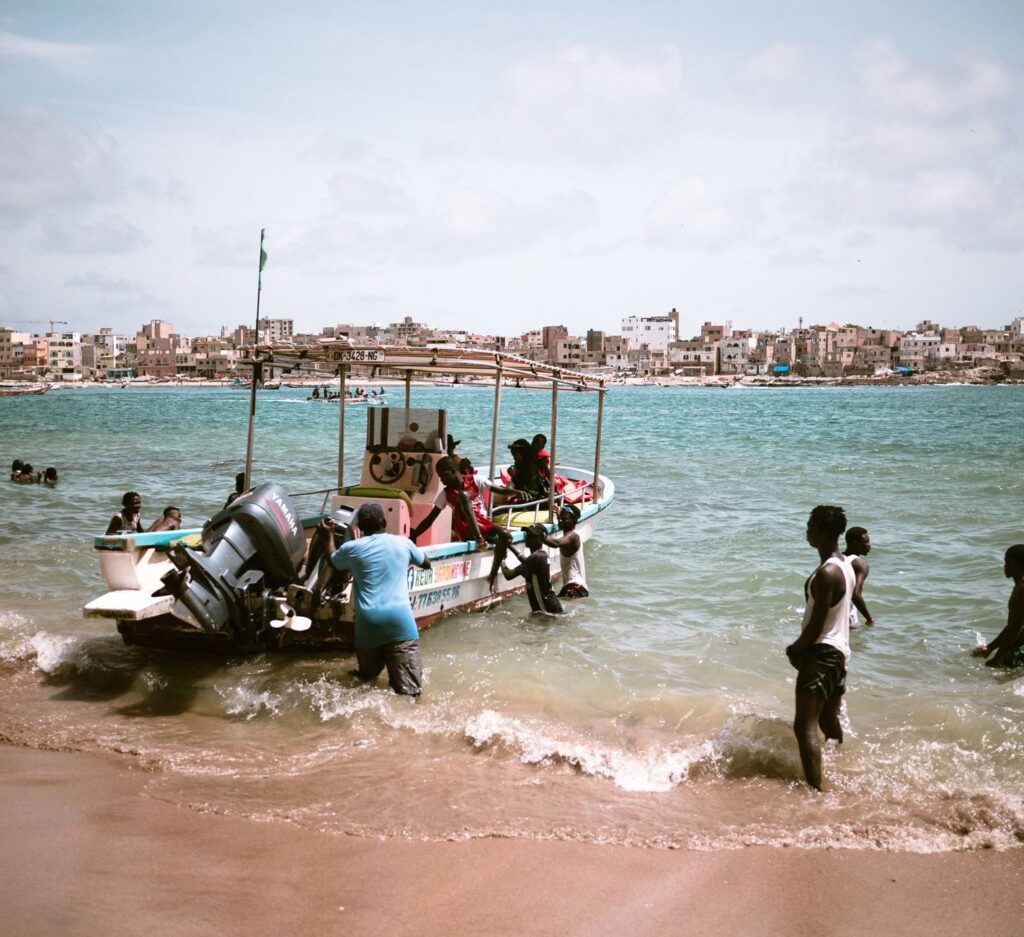
Senegal’s revised 2026 finance bill, presented to the National Assembly in September 2026, marks a stark retreat from the country’s earlier economic ambitions. The projected growth has been slashed from 5% to 2.7%, a dramatic adjustment that underscores the widening gap between optimistic forecasts and the harsh reality of revenue collection. The government admits to a revenue shortfall of 451.4 billion FCFA and, to balance the books, has axed 555 billion FCFA from its investment budget. As Lansana Gagny Sakho, president of the Circle of Public Administrators and board chair of APIX-SA, bluntly put it, a nation cannot sustainably redistribute wealth it hasn’t yet generated.
What the 2026 finance revision reveals about Senegal’s economic trajectory
The revisions embedded in the 2026 finance bill expose Senegal to a classic dilemma faced by economies under strain: sustaining public commitments without a corresponding productive base. The shortfall in fiscal and non-fiscal revenues has made it impossible to maintain the originally planned investment levels. The government’s response—prioritizing operational spending over capital accumulation—comes at a cost, particularly for long-term economic prospects.
By cutting 555 billion FCFA from its investment budget, the state is deferring critical projects that underpin national competitiveness. Infrastructure, industrial equipment, and large-scale developments are the first casualties of this adjustment, signaling a potential slowdown in productivity growth. Observers argue that this approach reflects a governance model that has, for years, maintained spending standards far exceeding the country’s actual fiscal capacity.
When public spending outpaces economic reality
Lansana Gagny Sakho’s critique—‘a poor country living like a rich one’—captures the tension between Senegal’s public spending habits and its economic output. Rising public sector wages, generous benefits, and the ballooning size of state agencies have drawn increasing scrutiny. The 2026 finance revision lays bare the unsustainable mismatch between these expenditures and the country’s sluggish revenue generation. The discrepancy between the initial 5% growth target and the revised 2.7% forecast serves as both an economic and political warning sign.
For leaders at APIX, the agency tasked with attracting investment and spearheading major infrastructure projects, the implications are profound. The current fiscal squeeze highlights the flaws in a model where public sector ambitions have outpaced the economy’s ability to fund them. Repeated recourse to debt and last-minute spending cuts risk eroding Senegal’s credibility with international partners, leaving the country with dwindling policy flexibility.
Public investment cuts: the short-term fix with long-term consequences
The logic behind the 2026 finance revision is understandable from a budgetary standpoint, but strategically perilous. Slashing 555 billion FCFA from the investment budget means postponing vital projects, slowing construction, and delaying upgrades to infrastructure that drive economic competitiveness. In an era where African sovereign bonds face intense market scrutiny, the credibility of Senegal’s macroeconomic framework has become a precious asset—one that could be eroded by these cuts.
The deeper issue at stake goes beyond a single finance bill. It revolves around the state’s ability to align its recurrent spending with actual revenue, streamline its bloated public sector, and redirect resources toward productive investment. Without these reforms, future budgets risk repeating the same cycle: overly optimistic projections, underwhelming execution, and investment taking the hit to keep the system running. The 2026 finance revision serves as a case study in the pitfalls of a model that prioritizes distribution over production.
Yet, room for adjustment remains. The policy choices embedded in the 2027 budget—particularly around public sector wages, agency rationalization, and targeted investment recovery—will determine whether Senegal can break this cycle. The parliamentary debate over the 2026 revision already stands as a pivotal test for the government’s political resolve.

More Stories
Burkina Faso’s 300 armored vehicles: Is the ‘Made in Burkina’ success story built on fact or fiction?
Can Gabon’s poultry import ban survive the WTO test?
Can Mali’s independence parade coexist with a shared AES identity?