
Senegal’s 2026 budget vote: can the Pastef majority survive the FMI dilemma?
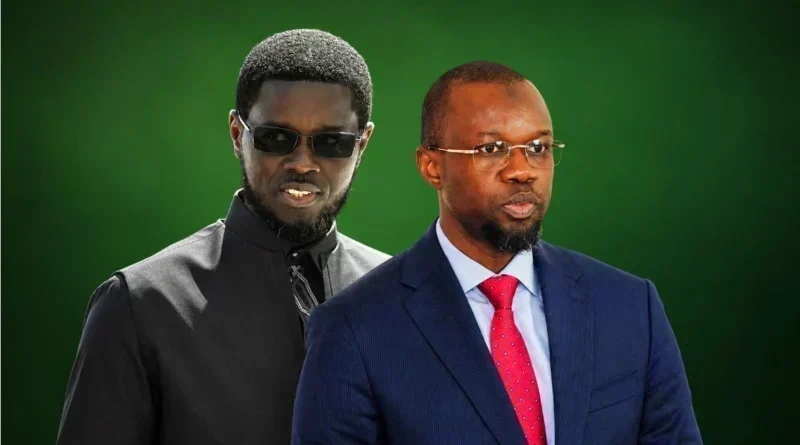
As Senegal’s legislators prepare to vote on the 2026 revised budget—recalculated at 1,735.2 billion FCFA—President Bassirou Diomaye Faye has placed Ousmane Sonko’s Pastef majority in an impossible position. The text, now under debate since September 18, forces lawmakers to either endorse an FMI-backed austerity plan they’ve long criticized or risk being branded as state paralyzers. The stakes couldn’t be higher for this fragile coalition.
Inside the 2026 budget: a deficit explosion and social trade-offs
The revised finance law (LFR) redraws the entire fiscal landscape. The budget deficit has ballooned to 1,735.2 billion FCFA—7.6% of GDP—far exceeding the initial 5.4% target. Authorities point to surging energy subsidies, new priority spending, and plummeting revenues as key drivers of this deterioration.
The energy sector bears the brunt of the shock. Subsidies have soared from 250 to 790.3 billion FCFA, a 540.3 billion increase. Meanwhile, revenue projections have fallen to 5,848.7 billion FCFA, down 340.1 billion from the original estimate. Officials cite global energy crises and erratic rainfall as primary culprits.
To curb the deficit, investments are slashed by 555 billion FCFA, hitting both domestic and foreign funding sources. Social protections, however, receive a boost: the family security grant budget doubles from 35 to 70 billion FCFA. The government’s long-term goal? Slash energy subsidies to under 1% of GDP by 2029 while targeting vulnerable households more precisely—a shift that risks pushing up electricity and fuel prices.
Vote yes: endorse a deal you’ve spent years opposing
This isn’t just an accounting exercise. The budget reflects the terms of a 2.2 billion US dollar agreement with the International Monetary Fund (IMF), awaiting approval from its Executive Board. For Pastef lawmakers, the vote forces a brutal reckoning: rubber-stamp an accord they’ve vocally criticized for years, or reject it and face accusations of sabotaging Senegal’s economy.
The FMI deal demands strict fiscal discipline—lower deficits, reduced public spending, and structural reforms. But for a party born from anti-austerity sentiment, the political fallout of endorsing these terms could be devastating. Each path carries explosive consequences: compliance risks alienating their base; defiance risks isolating them from international partners and financial markets.
Pastef’s impossible choice: populism or pragmatism?
The ruling coalition now faces a defining moment. By supporting the budget, they validate IMF-imposed austerity; by opposing it, they risk paralysis and international isolation. With Sonko’s political future hanging in the balance, and public discontent simmering over rising living costs, Pastef must navigate a minefield of competing expectations.
The vote isn’t just about numbers—it’s about survival. Can Bassirou Diomaye Faye’s government hold its fragile majority together while implementing policies that contradict its founding principles? The answer will shape not just Senegal’s economic trajectory, but the political fate of its most powerful party.

More Stories
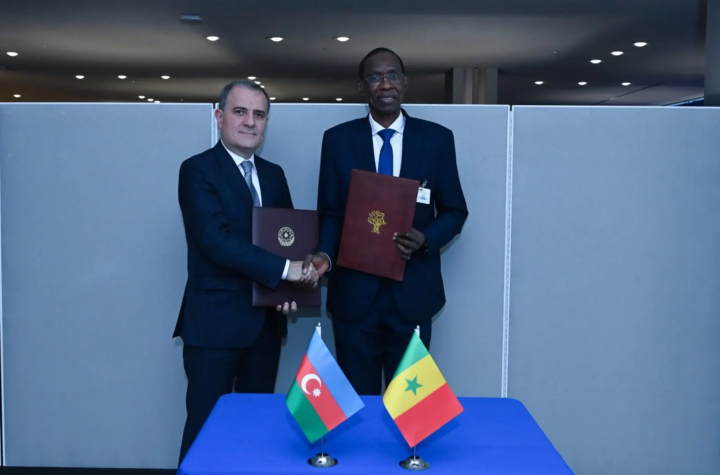
What does Senegal azerbaijan’s political dialogue framework mean for west africa
What does Nourane Foster’s exit from Cameroon’s PCRN mean for the 2027 elections?
Senegal’s electoral system: can a bold overhaul make every vote count?