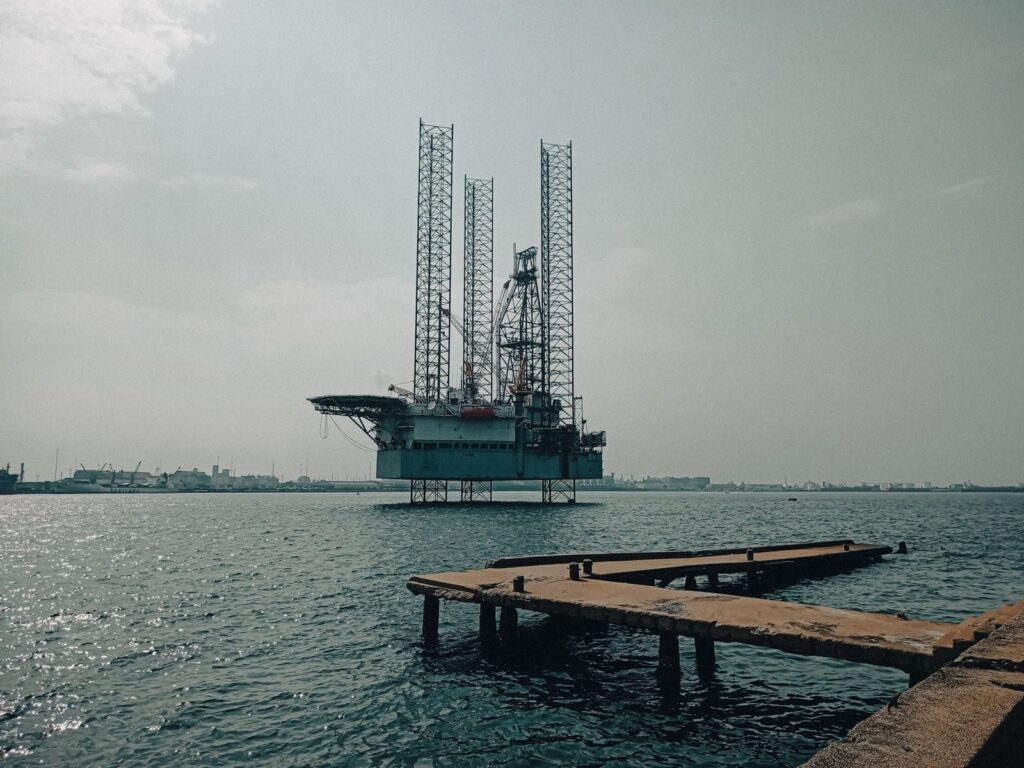
The Thali oil permit saga in Cameroon has reached a pivotal juncture. Tower Resources, the British operator behind the offshore permit, has secured presidential approval to transfer 42.5% of its stake to Prime Global Energies. While the deal awaits final administrative clearance, the new partner is set to inject $15 million into the project’s work program, with the Njom-3 appraisal well as the primary focus. Based on the European Central Bank’s reference exchange rate of September 28, 2026, this equates to approximately 8.65 billion FCFA.
Prime Global Energies will not make a direct payment to Tower Resources. Instead, it will commit to funding a portion of the technical program through a farm-out arrangement—a standard industry practice where a partner finances a share of operations in exchange for equity. Prime will join Thali as a non-operating partner, while operational control remains firmly in the hands of Tower Resources Cameroon, the London-based group’s local subsidiary.
Why Yaoundé’s approval is just the first hurdle
Despite presidential authorization, the administrative process remains incomplete in Cameroon. In its semi-annual financial statements, finalized on June 30 and published on September 28, Tower Resources revealed it had received a copy of the presidency’s letter addressed to the Prime Minister’s office, the Ministry of Mines, Industry and Technological Development (Minmidt), and the national hydrocarbons company (SNH). The Minmidt must now draft an order extending the initial exploration period and issue the formal approval letter for the stake transfer.
Until these legally binding documents are finalized, the transaction remains in limbo. The exact timeline for completion remains uncertain, the company acknowledges. This delay is particularly critical given that the exploration program faces years of setbacks due to insufficient financial resources to proceed with drilling operations.
Prime Global Energies, a UK-registered company specializing in upstream oil and gas, brings valuable expertise to the table. Previously operating as Prime Pakistan Limited and before that as Eni Pakistan Limited, its ties to the Italian energy giant Eni underscore its operational credibility—a factor that may reassure Cameroonian authorities about the new partner’s technical robustness.
Njom-3 drilling postponed to Q2 2027
The primary objective behind Prime’s entry is to secure funding for the Njom-3 appraisal well, the next drilling target on the Thali permit. Tower Resources has revised its schedule: drilling is now expected to commence in early Q2 2027, starting in April, rather than the previously anticipated Q1. While an earlier start remains possible, management has opted for the more conservative timeline in its public projections.
“We currently expect to begin drilling in early Q2 2027,” confirmed Jeremy Asher, CEO of Tower Resources. The selection of the drilling rig has not yet been confirmed. The company continues to evaluate available market options and has decided against further updates on this front until a firm contract is signed. Meanwhile, agreements with other essential service providers are already finalized.
Some logistical preparations are already underway in Douala. Tower Resources has stored equipment at the port city, including a system designed to temporarily suspend the well after testing, with the option to reuse it for production if results are promising.
The financial lifeline Thali desperately needs
The $15 million injection from Prime Global Energies is more than just a strategic move—it’s a financial lifeline for Tower Resources. The company disclosed that without completing the farm-out in Cameroon or securing alternative funding, it faces the stark choice of raising additional capital or risking default on its commitments. As of June 30, 2026, Tower had a mere $66,583 in cash against $2.91 million in current liabilities. With no oil production or revenue streams to date, the company’s survival hinges on closing this deal.
Capitalized expenditures in Cameroon for the first half of the year totaled $453,000, down from $982,000 in the same period the previous year. These costs cover Njom-3 preparation, engineering studies, drilling planning, and Douala office operations. Prime’s $15 million commitment should cover the remaining funds required for the appraisal drilling. Additional financing rounds will likely be necessary for subsequent testing phases and potential commercial development of the field.
More Stories
Can West Africa’s peace strategy survive without stronger regional unity?
Will Togo’s Faure Gnassingbé broker the breakthrough east DRC needs?
Can Nigeria’s military campaign end the kidnapping economy in the north?