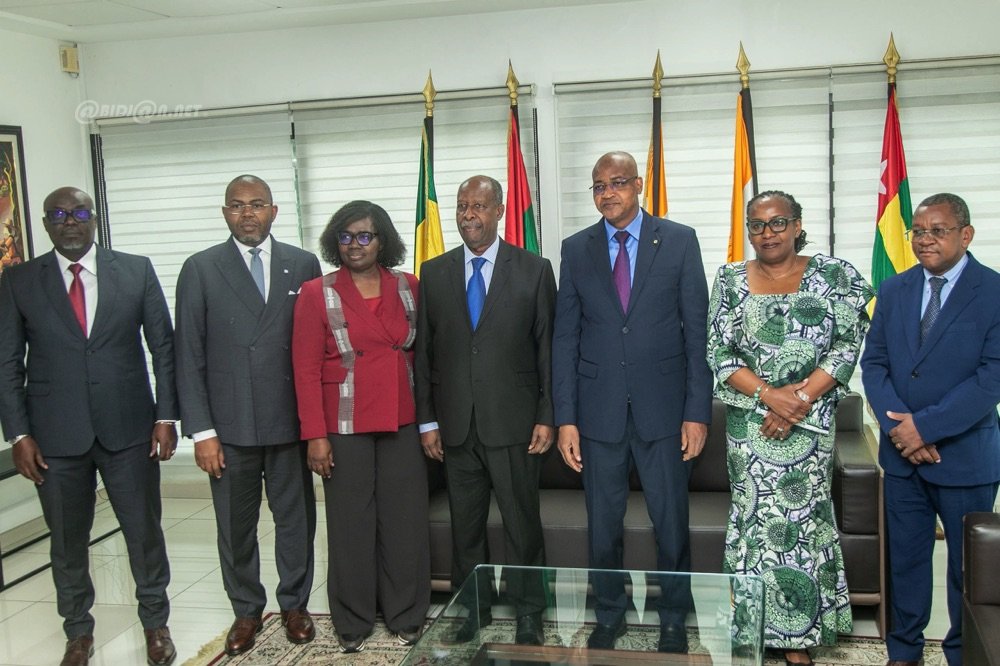
Regional actors unite in Abidjan to counter growing instability
The Entente Council and the United Nations Office for West Africa and the Sahel (UNOWAS) have taken a decisive step to bolster regional security through a new three-year cooperation agreement signed in Abidjan-Cocody on September 29, 2026.
This Memorandum of Understanding arrives at a critical juncture, as West Africa and the Sahel grapple with persistent security threats, political instability, and humanitarian crises. The pact seeks to enhance collaboration between these institutions to address shared challenges through coordinated diplomatic and institutional efforts.
The agreement outlines three core strategic priorities designed to strengthen peacebuilding and regional cohesion:
- Preventive diplomacy and political mediation: The framework empowers both organizations to conduct joint strategic consultations, facilitate diplomatic good offices, and deploy early warning mechanisms to de-escalate tensions before they erupt into conflict.
- Securing border regions through resilience and inclusion: Focused initiatives will target border communities, with efforts to prevent cross-border violence, strengthen social cohesion, and amplify the voices of women and youth in peace processes.
- Institutional strengthening and knowledge-sharing: Through joint research, shared intelligence, and capacity-building programs, the Entente Council will enhance its ability to mediate disputes and support member states in implementing peace agreements.
Beyond these pillars, the memorandum elevates the Entente Council’s role as a neutral platform for dialogue among West African and Sahelian nations. In cases of escalating tensions, the Council could serve as a mediator to bridge divides between conflicting parties or regional blocs, leveraging its historical experience in inter-state cooperation.
Sustained commitment to action: yearly plans and joint missions
To ensure the memorandum translates into tangible results, both institutions will develop annual joint work plans, designate focal points for implementation, and conduct regular monitoring assessments. These measures aim to maintain momentum and adapt strategies based on real-time regional developments.
UNOWAS Representative Leonardo Simão emphasized the urgency of this collaboration in his remarks at the signing ceremony. “Peace is never final; it requires constant effort to preserve where it exists and restore where it has broken down,” he stated, highlighting the need for proactive engagement in West Africa’s fragile security landscape.
Simão also praised the Entente Council’s long-standing experience, tracing its origins to 1959—predating both the African Union and ECOWAS. The Council’s diverse membership, spanning Sahelian and coastal states, positions it as a unique bridge between different regional dynamics.
Idi Ali, Acting Executive Secretary of the Entente Council, echoed this sentiment, calling the agreement a “testament to the organization’s evolving relevance” in addressing modern security threats. He noted that the memorandum would deepen ties between the two institutions while amplifying their collective impact on regional stability.
What’s at stake for West Africa’s future?
The memorandum’s success hinges on its ability to address the root causes of instability: weak governance, climate-induced migration, and porous borders exploited by armed groups. By prioritizing dialogue and resilience, the Entente Council and UNOWAS aim to create a more unified front against threats that transcend national borders.
For citizens across the region, the stakes are high. Failed states, insurgencies, and economic hardship demand urgent, coordinated solutions. This partnership offers a pathway to rebuild trust among states, restore social fabrics in conflict zones, and prevent further fragmentation of the region’s security architecture.
As the memorandum enters its three-year term, all eyes will be on its implementation. Will this alliance mark a turning point for West Africa, or will old divisions resurface? The answer lies in the commitment of both institutions—and the political will of the states they represent.
More Stories
Will Togo’s Faure Gnassingbé broker the breakthrough east DRC needs?
Can Nigeria’s military campaign end the kidnapping economy in the north?
Can Algeria’s expertise truly reshape Benin’s defense strategy?