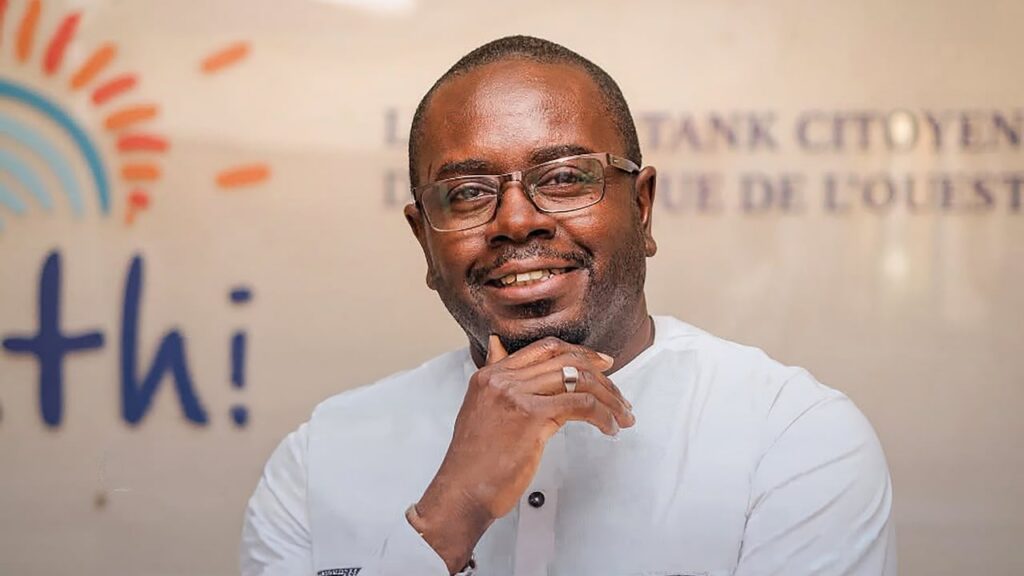
As Senegal braces for its upcoming local elections, President Bassirou Diomaye Faye faces a defining test of his leadership. The stakes couldn’t be higher: will these polls strengthen his grip on power or expose vulnerabilities in his administration’s strategy? With time running out, every decision carries weight.

Local elections: a litmus test for Bassirou Diomaye Faye’s presidency
In just a few weeks, Senegal will hold its local elections, a pivotal moment that could either solidify Bassirou Diomaye Faye’s political future or signal the beginning of his struggles. These elections are not merely administrative exercises—they are a barometer of public sentiment, a gauge of the president’s standing in the eyes of the electorate.
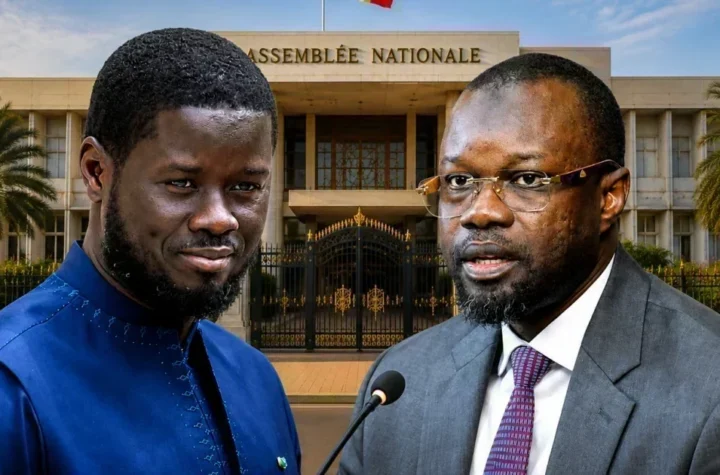
The government’s ability to secure victories in key municipalities will determine whether President Faye can maintain momentum or faces growing discontent. The opposition, led by figures like Ousmane Sonko, is mobilizing with a clear strategy, while Faye’s party, Pastef, must defend its gains and expand influence. The race is tightening, and the implications are profound.
As one analyst put it: “The local elections will reveal whether Bassirou Diomaye Faye’s leadership is a passing phase or a lasting force.”
Timing is everything: why delays could cost Senegal’s president dearly
Political observers warn that timing is everything in this electoral cycle. The government’s decision to proceed with the elections despite logistical and political challenges raises critical questions. Can Faye afford to delay, or would postponement backfire? History shows that postponed elections often fuel speculation and erode public trust.
The opposition has seized on the timing issue, framing the elections as a litmus test for democratic credibility. If turnout is low or results disputed, the fallout could destabilize the government’s authority. Meanwhile, international partners are watching closely, concerned about Senegal’s stability amidst regional turbulence.
Preparing for the worst-case scenario
In the lead-up to polling day, both the ruling party and the opposition are preparing for multiple outcomes. The government is rolling out voter education campaigns, while activists are organizing grassroots movements to monitor the process. Security forces are on high alert, bracing for potential unrest in hotly contested areas.
The stakes extend beyond politics. Local elections shape economic policies, healthcare access, and infrastructure development at the grassroots level. A poor showing by the ruling party could trigger a domino effect, affecting everything from foreign investment to social cohesion.
What’s at risk for Senegal if local elections go sideways?
The consequences of a contentious local election could ripple across Senegal’s political landscape. A weakened presidency might struggle to pass critical reforms, leaving the country vulnerable to economic slowdowns or social unrest. The opposition, emboldened by strong results, could push for constitutional changes or policy shifts that challenge Faye’s agenda.
Economists caution that instability in local governance could deter investors, particularly in sectors like agribusiness and renewable energy—key priorities for Faye’s administration. The president’s ability to deliver on campaign promises hinges on strong local support, making these elections a high-stakes gamble.
Can Bassirou Diomaye Faye turn the tide before polling day?
With the clock ticking, Faye’s team is under immense pressure to deliver a strong performance. Campaign rallies are intensifying, and messaging is shifting to emphasize local achievements and future promises. Yet, the opposition remains a formidable force, leveraging social media and grassroots networks to sway voters.
The president’s fate may well be decided in the coming weeks. Will he emerge stronger, or will these elections mark the beginning of a downward spiral for his presidency? One thing is certain: Senegal’s future hangs in the balance.

More Stories
Senegal’s parliament: What power does Ousmane Sonko hold to derail the 2026 budget?
Senegal’s December 2 dilemma: can Diomaye Faye’s gamble reshape the nation’s future?
Senegal’s 2026 budget vote: can the Pastef majority survive the FMI dilemma?