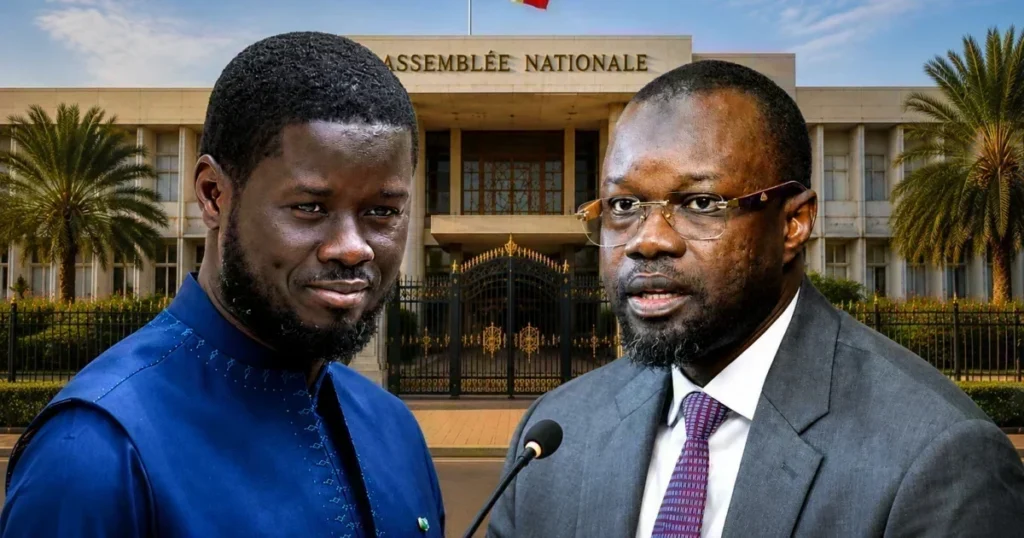
Senegal’s parliament: What power does Ousmane Sonko hold to derail the 2026 budget?
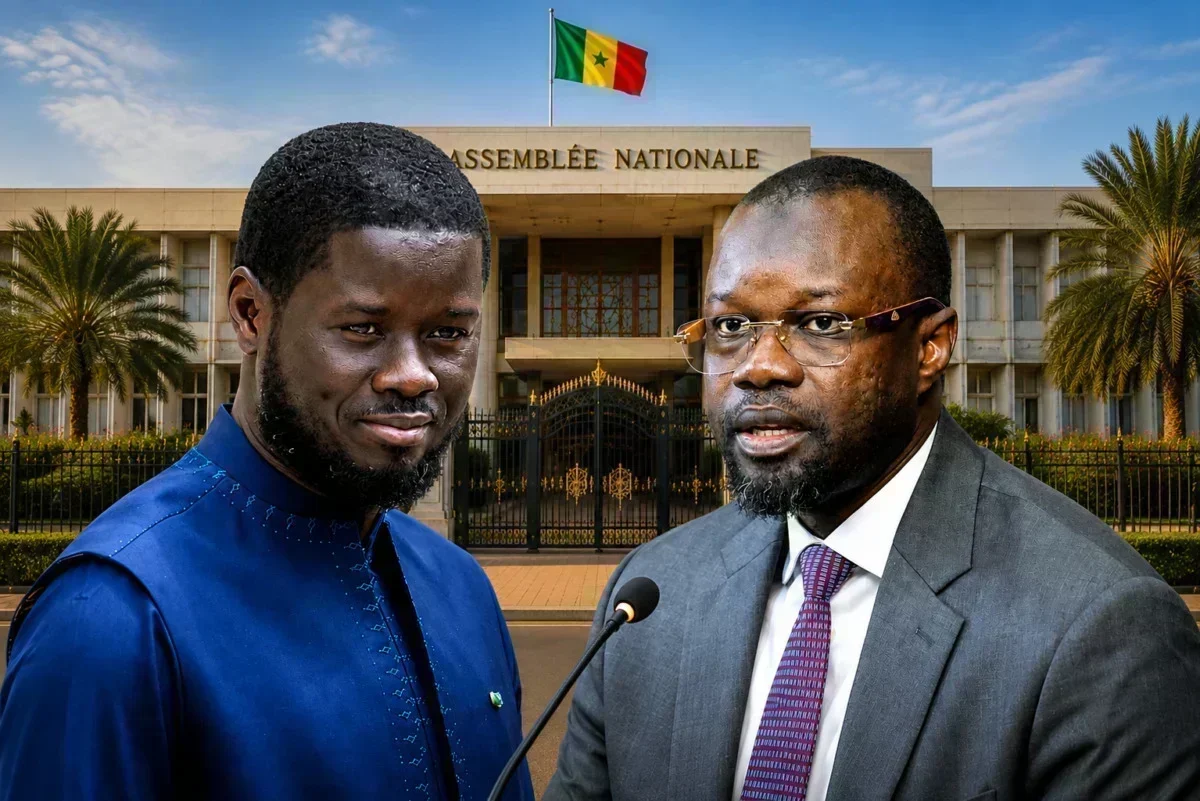
With the 2026 budget at stake in Senegal, Ousmane Sonko’s strategic position as National Assembly president could determine whether the revised finance law passes—or faces a constitutional showdown that reshapes the country’s economic trajectory.
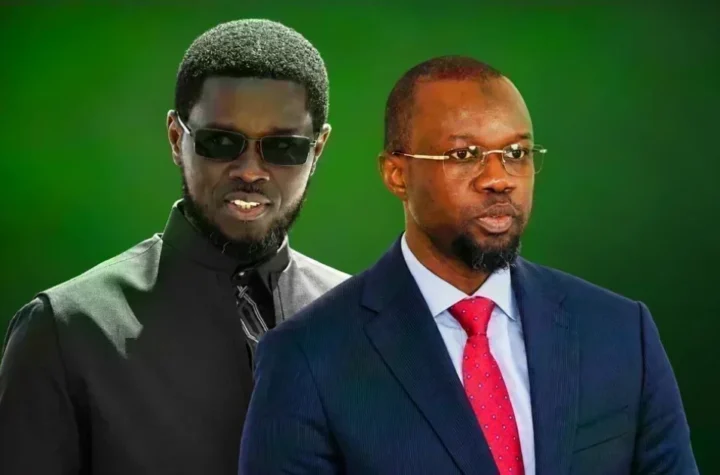
President Bassirou Diomaye Faye trusts that his ruling Pastef coalition will swiftly approve the 2026 finance law. Yet behind the scenes, National Assembly leader Ousmane Sonko commands constitutional tools capable of delaying, altering, or even blocking the bill entirely. The critical question remains: what leverage does each side possess, and at what political cost?
After Sonko’s removal from the premiership in May 2026, the two former allies now face off as institutionally opposing forces. The 2026 finance law—negotiated under an IMF agreement still pending ratification—has become their first battleground. Sonko’s demands for transparency on debt treatment and IMF terms have fueled tensions, though parliament officially received the bill on September 18, 2026, accompanied by presidential decrees.
Legislative veto: Can the National Assembly reject the budget?
The Constitution grants the National Assembly exclusive authority to pass or reject finance laws. With 130 of 165 seats under Pastef’s control, Sonko’s coalition could theoretically sink the bill outright. Yet such a move would carry severe consequences, shifting responsibility for potential public finance paralysis onto the opposition—especially during delicate IMF negotiations.
The ruling party faces another hurdle: constitutional safeguards prevent party-switching defections. Article 60 stipulates that any deputy leaving their party mid-term automatically forfeits their seat, enforcing strict group discipline. This leaves little room for internal dissent within Pastef.
Between outright rejection and approval lies a middle path. Article 82 restricts budget amendments to spending reductions or revenue increases only. While Pastef cannot expand allocations, it can surgically trim government expenditures—particularly IMF-linked commitments—without triggering a full-blown veto. The executive counters by invoking Article 82’s clause allowing a single up-or-down vote on key sections, forcing legislators to accept or reject the entire package.
The clock is ticking: Deadlines and high-stakes delays
Sonko’s Assembly presidency grants him procedural influence, but Article 84 compels priority scheduling if requested by the President or Prime Minister. The real pressure comes from Article 68’s 60-day deadline for passing finance laws. If unapproved by mid-November 2026, the budget automatically enters into force via decree—incorporating any approved amendments. Delaying tactics therefore risk ceding legislative authority to the executive.
A constitutional gray area emerges: while Article 68 addresses unapproved texts, it remains silent on explicit rejections. Could the President bypass Parliament entirely after a formal veto? The answer may lie with the Constitutional Council, accessible via a one-tenth deputy petition (Article 74).
The executive holds yet another weapon. Article 86 permits the Prime Minister—after cabinet approval—to tie a finance law’s passage to a confidence vote. If rejected, the government falls. With Pastef commanding 130 seats, this tactic turns the budget into a potential noose around Sonko’s neck. A censure motion requires just 83 votes to pass, and Sonko’s deputies could both block the budget and trigger a government crisis mere weeks before the President regains dissolution powers on December 2, 2026.
December 2: The final countdown for parliamentary power
Article 87 prohibits dissolving the Assembly within its first two years—a period ending for this legislature on December 2, 2026. Until then, President Faye lacks this coercive tool. Yet a prolonged budget impasse would provide grounds for dissolution, while smooth passage would strip him of that leverage entirely.
Ousmane Sonko’s constitutional arsenal allows him to reject, amend, or censure the 2026 budget. Each option, however, carries heavy political fallout. The executive retains countermeasures: decree authority under Article 68, confidence vote gambits under Article 86, and, come December, dissolution under Article 87. The 2026 finance law is shaping up as a defining test of power-sharing between Senegal’s presidency and parliament.

More Stories
Senegal’s December 2 dilemma: can Diomaye Faye’s gamble reshape the nation’s future?
Senegal’s 2026 budget vote: can the Pastef majority survive the FMI dilemma?
What does Senegal azerbaijan’s political dialogue framework mean for west africa