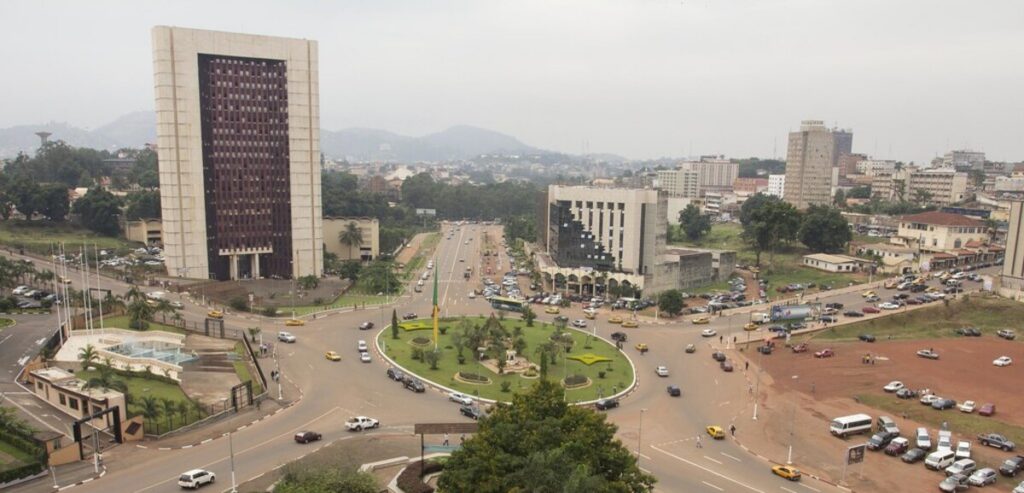
In a dramatic escalation of tensions between state regulators and independent media, Cameroon’s National Communication Council (CNC) has suspended Vision 4 television for one month. The move follows a series of contentious broadcasts covering the high-profile murder trial of journalist Martinez Zogo, raising urgent questions about press freedom and judicial transparency in the Central African nation.
One-month blackout imposed on Vision 4
The CNC, Cameroon’s broadcast regulator, has banned Vision 4 from airing any audiovisual content for 30 days. Authorities cite multiple violations, including the channel’s refusal to comply with a formal summons and alleged attempts to undermine the regulator’s authority. According to official statements, these actions follow a prior warning issued in June—when Vision 4 was also sanctioned for airing a report deemed to contain defamatory remarks against a civil party’s attorney. The regulator claims the earlier penalty was inadequately enforced, pointing to new broadcasts that allegedly repeated such attacks on the same legal figure.
This is the latest in a pattern of punitive actions targeting media outlets closely examining the Zogo case. The journalist was abducted in January 2023 near a military post in Yaoundé; his mutilated body was discovered five days later. Investigations have since implicated high-profile figures, including businessman Jean-Pierre Amougou Belinga, who faces charges of complicity in kidnapping, torture, and murder.
A second blow to the Amougou Belinga media group
Not content with silencing Vision 4, the CNC has extended its punitive measures to another outlet within the same media empire. Jean-Claude Fouda Abega, editor-in-chief of the daily newspaper L’Anecdote, has been suspended for one month. Regulators accuse the publication of publishing an article containing unsubstantiated, inflammatory remarks targeting the same attorney involved in the civil suit against Zogo’s suspected killers.
Is Cameroon’s press freedom under systematic threat?
The timing of these penalties has ignited fierce debate. The suspension coincides with the ongoing trial at the Yaoundé military tribunal, where key suspects—including former intelligence chief Léopold Maxime Eko Eko and Lieutenant-Colonel Justin Danwe, commander of the alleged abduction squad—are standing trial. Critics argue that silencing critical media during such a pivotal judicial process risks shielding powerful actors from public scrutiny and undermining the very principles of open justice.
Opponents of the CNC’s decision warn that repeated suspensions of outlets like Vision 4 and L’Anecdote—both linked to figures now entangled in the Zogo case—send a chilling message to Cameroon’s press corps. They argue that aggressive regulatory action, particularly when applied selectively, could erode public trust in institutions and deter investigative journalism at a time when transparency is most needed.
The suspended outlets have yet to issue formal responses, but the broader implications are already reverberating across Cameroon’s media landscape. As the Zogo trial continues under intense public and international scrutiny, the fate of Vision 4 has become a flashpoint in the ongoing struggle between state control and journalistic independence.
What’s next for Cameroon’s media? A dangerous precedent
The CNC’s decision sets a troubling precedent: can regulators wield their authority to silence outlets that challenge official narratives—especially in cases involving state violence or elite complicity? With Vision 4’s broadcast ban now in effect, the coming weeks will be critical. Will other independent outlets self-censor to avoid similar penalties? Or will this action galvanize a unified stand from civil society, legal professionals, and international watchdogs in defense of press freedom?
The stakes are high. As Cameroon grapples with the fallout from Martinez Zogo’s murder and the broader implications for justice and democracy, the suspension of Vision 4 is no longer just a media issue—it is a test of the nation’s commitment to upholding constitutional rights in the face of institutional pressure.
More Stories
Burkina Faso: can the official narrative on four years of Ibrahim Traoré’s rule withstand scrutiny?
Can Cameroon’s oil sector rebound from Thali permit’s financial crisis?
Can West Africa’s peace strategy survive without stronger regional unity?