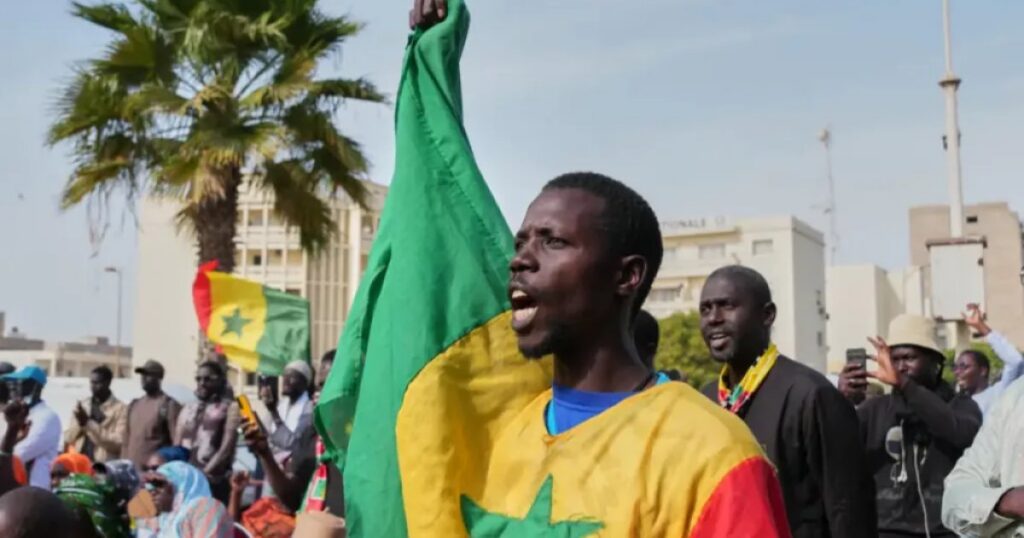
Senegal’s Pastef drives constitutional reform and ‘secret funds’ oversight
National Assembly President Ousmane Sonko initiated Senegal’s first extraordinary parliamentary session of the year on Monday, August 10. Legislators are set to review five key proposals over a two-week period, including two urgent bills introduced by the governing Pastef majority. These legislative efforts unfold against a backdrop of persistent political tensions between the Prime Minister’s faction and that of President Bassirou Diomaye Faye.
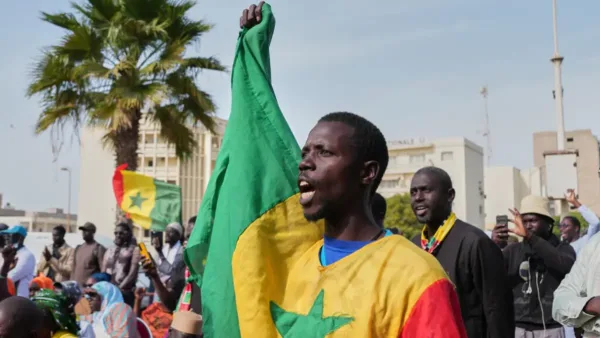
This extraordinary parliamentary sitting takes place within a charged political atmosphere. Pastef is notably re-centering discussions on amending Article 37 of the Constitution. This proposed change would compel the head of state to declare their assets at the conclusion of their term, in addition to the existing requirement upon assuming office, aiming to bolster transparency.
An identical provision was part of a constitutional revision previously approved by deputies in late June. However, the Constitutional Council subsequently rejected the text, marking a notable setback for Ousmane Sonko’s political allies. The present legislative initiative aims to reintroduce this crucial reform through a revised approach.
The second legislative proposal, also spearheaded by the majority, pertains to special credits, commonly referred to as ‘secret funds.’ These financial allocations, earmarked for the presidency and the primature, are now subject to enhanced scrutiny, potentially involving a dedicated, restricted parliamentary committee.
The oversight of special credits at the heart of the disagreement
The management and accountability of these funds represent a primary point of friction between Ousmane Sonko and Bassirou Diomaye Faye. This specific dispute was a key factor contributing to the breakdown of their relationship last May.
According to Moussa Diaw, a professor of political science at Gaston Berger University in Saint-Louis, these parliamentary actions underscore Pastef’s determination to enforce greater transparency and accountability from the president. The academic also highlights a perceived link between this legislative push and President Bassirou Diomaye Faye’s recent launch of his new political party, Kiiraay.
Both critical political bills are slated for urgent review. Nevertheless, their eventual passage will depend on the outcome of parliamentary debates and, if challenged, the subsequent review by the Constitutional Council.
The session’s agenda also includes three government-sponsored bills. These legislative efforts focus on updating the Social Security Code, reforming the Labor Code, and strengthening national digital security.
The digital security legislation is particularly timely, following a series of cyberattacks targeting Senegalese public institutions. Since October, three entities, including the Public Treasury, have reportedly fallen victim to such breaches. The proposed law seeks to establish a robust framework to enhance the protection of the state’s vital digital infrastructure and sensitive data.

More Stories
Can Benin’s port workforce transformation hinge on a €15 million Luxembourg gamble?
Burkina Faso’s shrinking public payroll: a household burden as schools reopen
Can a Tripoli-Yaoundé air link take off without a clear aviation roadmap?