
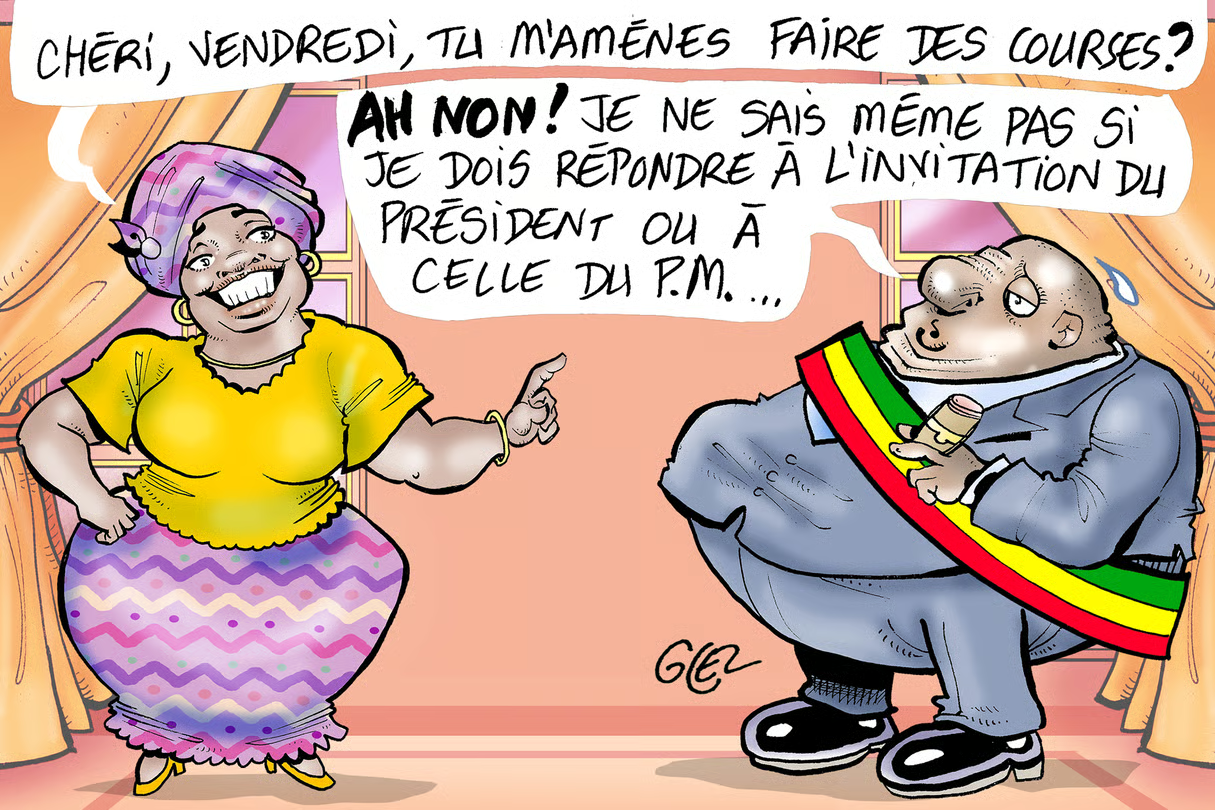
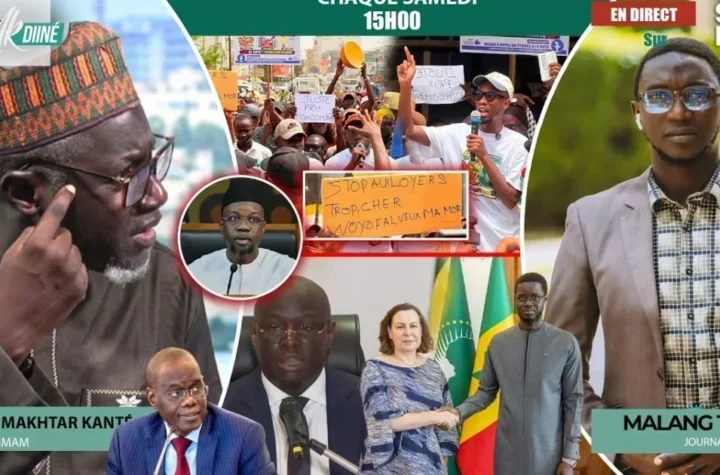
In Dakar’s political landscape, tensions are rising as two prominent figures—Bassirou Diomaye Faye and Ousmane Sonko—engage in a high-stakes battle of dialogues. Their exchanges are shaping the future trajectory of Senegal’s governance, with each move carefully calculated to sway public opinion and consolidate influence.
Their discussions, though framed as consultations, carry the weight of strategic maneuvering. Bassirou Diomaye Faye, the newly elected leader, is pushing for reforms that promise transparency and inclusivity. Meanwhile, Ousmane Sonko, a vocal opposition figure, is challenging these proposals, arguing for deeper structural changes to address systemic inequalities.
Where policy meets power struggles
Their dialogue isn’t just about words—it’s about control. Faye’s administration is navigating a delicate balance between honoring campaign promises and managing the expectations of a population weary of unfulfilled pledges. Sonko, on the other hand, is leveraging his platform to expose gaps in governance, forcing the government to confront pressing socio-economic issues.
This political tug-of-war is unfolding against a backdrop of economic challenges and social unrest. With youth unemployment soaring and public services struggling, the stakes couldn’t be higher. Both leaders recognize that their actions today will define Senegal’s political narrative for years to come.
The role of public perception
How Senegalese citizens perceive these exchanges is critical. While some view Faye’s reforms as a step in the right direction, others see them as insufficient, demanding more radical solutions. Sonko’s rhetoric resonates with those who feel left behind, amplifying calls for systemic overhaul.
The media’s role in shaping this narrative is undeniable. Every statement, every press conference, and every behind-the-scenes negotiation is dissected, analyzed, and often politicized. In this environment, the battle for public trust is as fierce as the political debate itself.
What’s next for Senegal?
The outcome of this dialogue battle remains uncertain, but one thing is clear: Senegal stands at a crossroads. The choices made by Faye and Sonko in the coming months will determine whether the country moves toward stability or further fragmentation.
For now, the nation watches, waits, and debates—each side clinging to its vision of what Senegal should become.

More Stories
Ousmane Sonko’s firm stance on Senegal’s FMI agreement demands full transparency
Senegal’s institutional crossroads: the unfolding dynamic between Ousmane Sonko and Bassirou Diomaye Faye
Minister abdourahmane diouf reignites feud with ousmane sonko over special credits reform