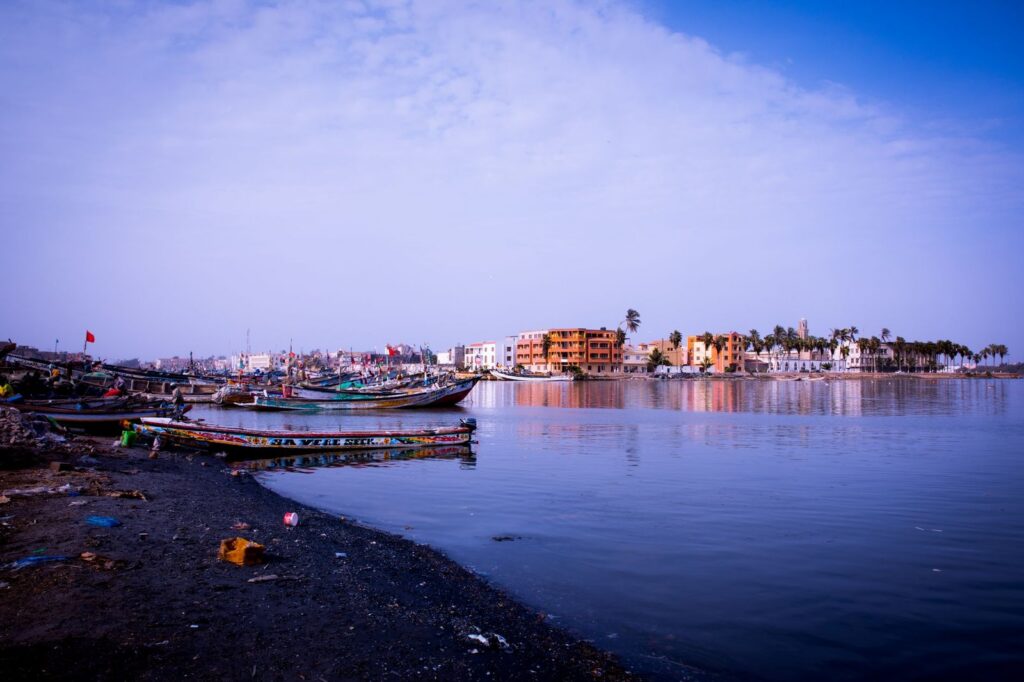
The prospect of an election postponement in Senegal has once again ignited political discourse in Dakar. After Prime Minister Ousmane Sonko’s initial strong statement, El Malick Ndiaye, a prominent member of the governing party, has publicly cautioned against any attempts to modify the electoral timeline. This stance emerges amidst a clear determination by the presidential majority to dismiss outright what it views as an unacceptable scenario, especially given it’s just over a year since the nation faced a significant institutional crisis.
A warning issued to proponents of postponement
El Malick Ndiaye’s message is unequivocally directed at political figures who, whether openly or through covert actions, might advocate for delaying future elections. The Pastef leader stressed that for the ruling formation, strict adherence to the established electoral calendar represents an unyielding boundary. His declaration echoes Prime Minister Ousmane Sonko’s recent admonition, which cautioned that any inclination towards postponement would be met with resolute opposition.
Through these successive statements, the current administration aims to proactively shape public opinion, preventing the notion of a delay from gaining any significant ground. This situation bears a striking, albeit inverted, resemblance to former President Macky Sall’s failed attempt to postpone the February 2024 presidential election, a decision later overturned by the Constitutional Council after weeks of political unrest. That historical event now fundamentally informs the heightened vigilance demonstrated by the nation’s new leadership.
A political signal directed at the opposition
El Malick Ndiaye’s pronouncement can also be understood as a direct message to the opposition, whom the majority suspects of strategizing to buy time. By publicly closing off this discussion, Pastef aims to deny its political rivals any opportunity to deliberate on future electoral timelines. The rhetoric employed invokes themes of patriotism and institutional integrity, leveraging the vivid memory of last year’s protests that erupted in response to the presidential decree attempting to push back the presidential election.
This firm stance also sends a clear signal to Senegal’s international partners, who are often seen as informal guardians of West African democratic stability. Dakar seeks to demonstrate unwavering institutional continuity to both its ECOWAS counterparts and Western diplomatic missions. The nation, historically regarded as an exemplar of electoral integrity within the sub-region, is determined to avoid any comparison with the extended transitional periods witnessed in countries like Mali, Burkina Faso, or Guinea.
An electoral calendar under close scrutiny
From a strictly legal perspective, no formal steps have been taken to alter the electoral schedule. Yet, the government’s proactive warnings reveal escalating apprehension surrounding upcoming deadlines, especially as political power structures have been shifting since President Bassirou Diomaye Faye assumed office in April 2024. The snap legislative elections in November 2024, which Pastef decisively won, solidified the majority’s position but did not resolve underlying divisions with an opposition that consistently disputes the executive’s policy directions.
The current dynamic, set in motion by the consecutive warnings from Prime Minister Sonko and El Malick Ndiaye, is likely to impact forthcoming parliamentary discussions. Debates within the National Assembly, where Pastef now commands a substantial majority, will be under intense scrutiny, particularly regarding bills pertaining to electoral logistics or voter registration. Any proposal deemed capable of leading to a calendar adjustment would face immediate condemnation from the governing party.
Ultimately, the resolute verbal stance adopted by Pastef leaders must translate into tangible actions over the coming months, particularly concerning the logistical and budgetary preparations for future electoral events. The credibility of their commitment to preserving the integrity of Senegal’s electoral calendar will hinge on these less visible but crucial practical steps. El Malick Ndiaye notably reinforced Prime Prime Minister Ousmane Sonko’s earlier warning directed at anyone contemplating an election postponement.
More Stories
Can Benin’s port workforce transformation hinge on a €15 million Luxembourg gamble?
Burkina Faso’s shrinking public payroll: a household burden as schools reopen
Can a Tripoli-Yaoundé air link take off without a clear aviation roadmap?