
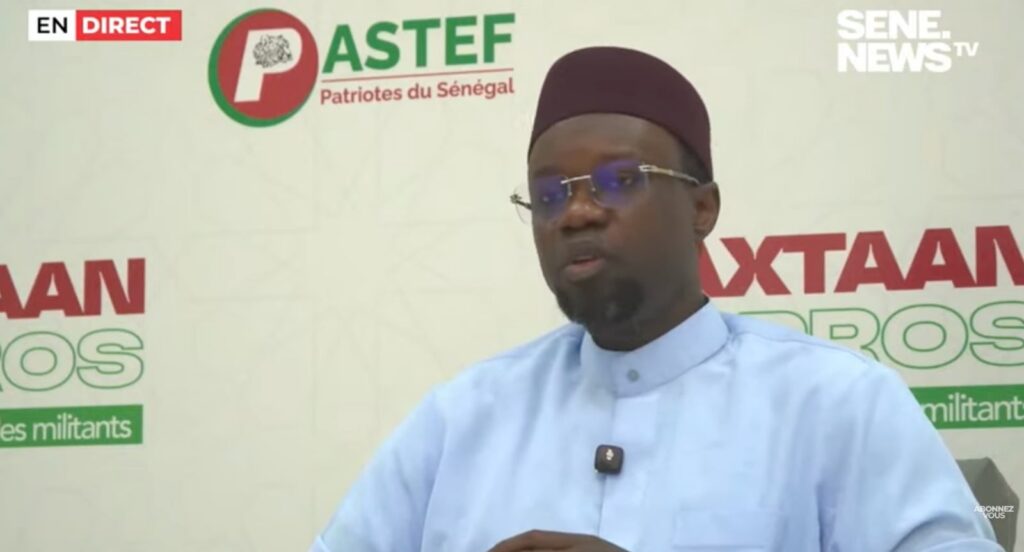
Senegal’s Prime Minister Sounds Alarm on Stalled Infrastructure Projects
In a rare public display of frustration, Senegal’s Prime Minister Ousmane Sonko revealed yesterday the staggering results of a government audit exposing severe mismanagement of public infrastructure and state assets. The assessment, covering critical projects across the country, paints a grim picture of financial waste and institutional failures with profound implications for the nation’s economy and social development.
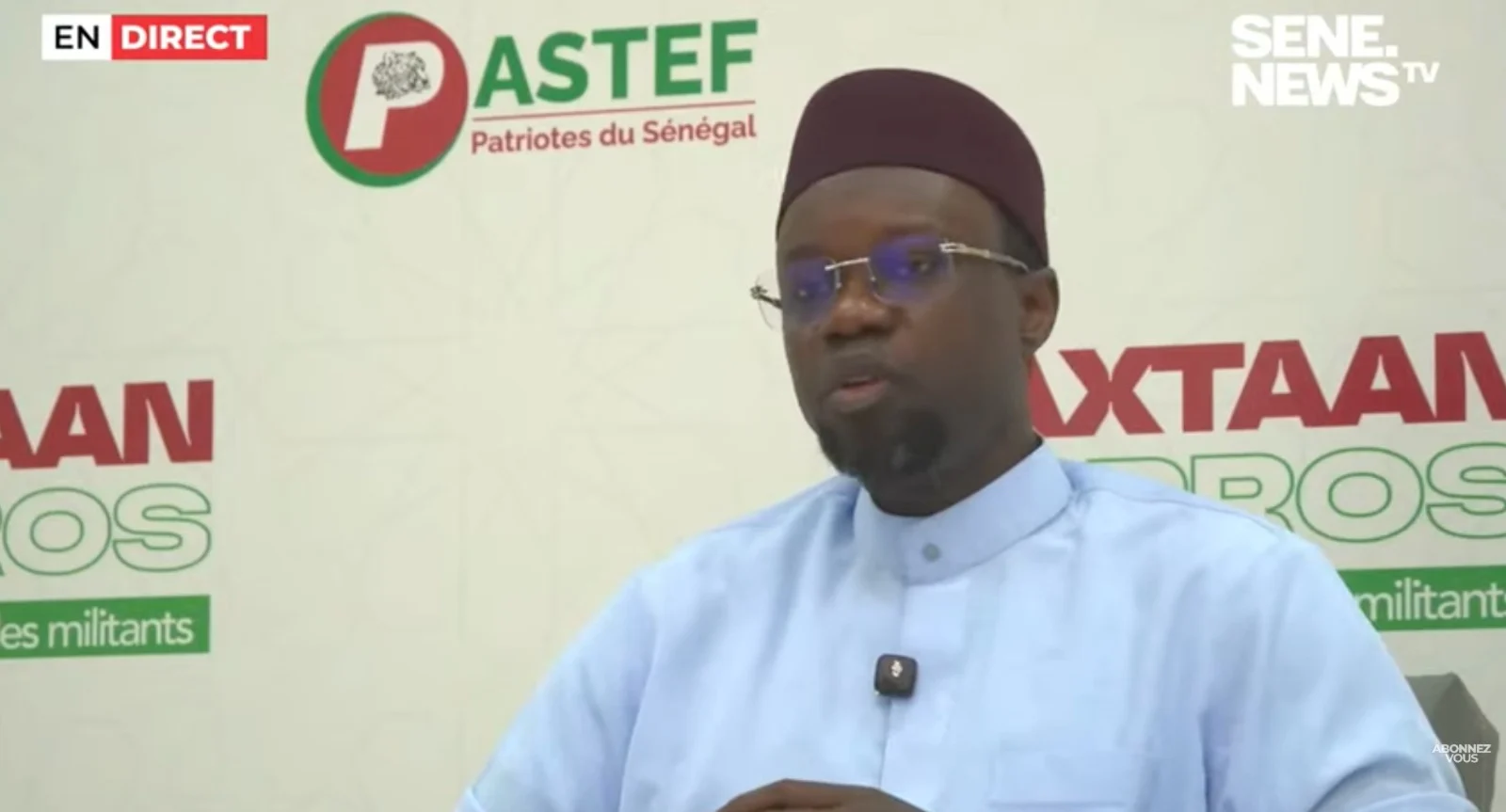
Audit Exposes Widespread Blockages in Public Projects
During an emergency interministerial council meeting on infrastructure and state assets, Prime Minister Sonko presented damning findings from an exhaustive audit of public projects and strategic assets. The review identified 245 infrastructure projects and state assets—including roads, hospitals, ports, stadiums, schools, and administrative buildings—either stalled, abandoned, or severely underutilized across Senegal. The total financial commitment for these projects exceeds 5,000 billion FCFA, a figure Sonko noted is nearly equivalent to the country’s entire annual budget.
Among the most alarming revelations:
- 30 completed projects remain unused, with 25 facing major operational blockages worth 279 billion FCFA, including the unutilized Dakhonga Port and critical fishing and cold storage facilities.
- 62 out of 94 ongoing projects are effectively halted, representing investments of over 5,227 billion FCFA. One stark example is the Sandiara High School, initiated in 2014 but still incomplete.
- 97 state-owned properties valued at 132 billion FCFA were found to have been irregularly sold or transferred, including strategic land parcels allegedly ceded below market value.
Judicial Concerns and Political Pressure
Sonko’s frustration reached a breaking point during the council session when he questioned the lack of legal accountability for financial mismanagement. In a rare moment of candor, he publicly admitted to questioning whether the pursuit of reform is even worthwhile, given the apparent impunity of those responsible for public fund mismanagement. He accused certain judicial actors of deliberate obstruction, stating that “the system remains intact” and that citizens are being asked to make sacrifices while those implicated in financial wrongdoing evade consequences.
Addressing Justice Minister Yassine Fall directly, Sonko emphasized that the public has a right to see justice served, declaring that “these cases belong to the Senegalese people, not to magistrates”. He warned of escalating rhetoric in the coming days if tangible progress is not made.
In response, Minister Fall pledged that individuals found culpable would face consequences, though Sonko remained skeptical about the pace of judicial proceedings.
Government Unveils Immediate Corrective Measures
To address the crisis, Sonko announced the creation of a high-level monitoring committee, chaired by himself and reporting directly to the Prime Minister’s Office. The committee’s mandate includes:
- Completing a full inventory of stalled, abandoned, and underutilized assets.
- Identifying responsible parties and recommending corrective actions.
- Exploring financing solutions, including potential public-private partnerships and asset monetization through the National Investment Fund (FONSIS).
The government also issued 11 directives to unblock financial, legal, and technical bottlenecks. Key measures include:
- Mandating a comprehensive review of all infrastructure projects to determine which should be completed, repurposed, or decommissioned.
- Establishing an inclusive task force to oversee the execution of identified solutions.
- Ensuring future projects incorporate essential technical requirements such as water, electricity, and telecommunications access, as well as sustainable maintenance frameworks.
The Prime Minister’s unprecedented candor and swift administrative response signal a critical moment in Senegal’s efforts to reclaim control over its public assets and restore public trust in governance.

More Stories
Niger: Tiani faces fallout from special forces anger after Russian intervention
Mali : 17 morts dans les rangs des dozos, le JNIM accentue sa pression
Sahel : le pari des juntes tourne-t-il à l’échec sécuritaire ?