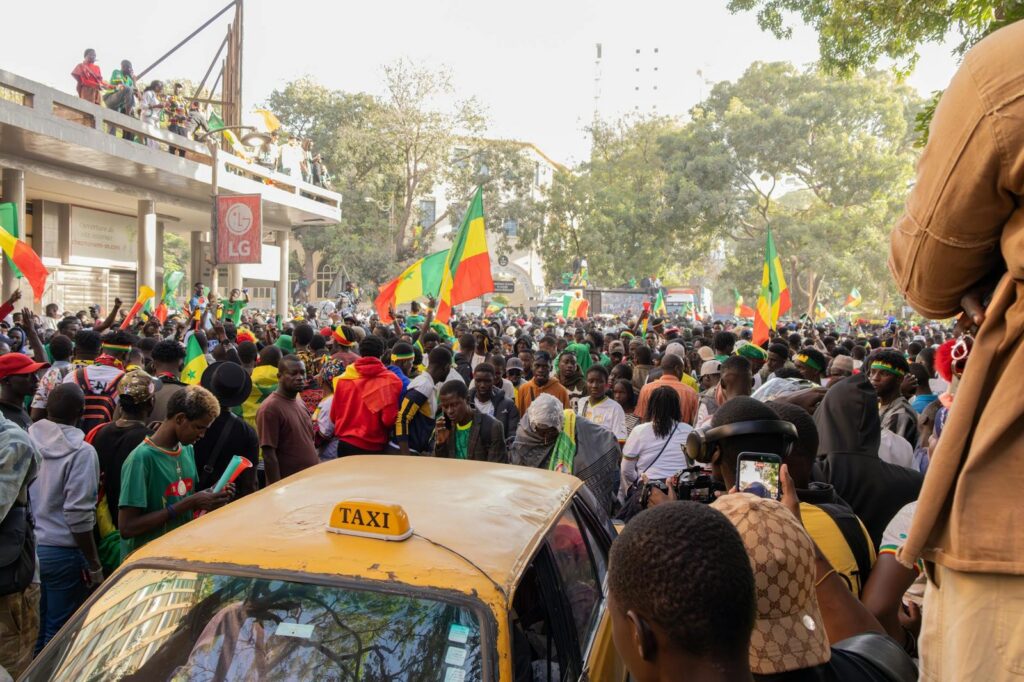
The recent enactment of Senegal’s revised Electoral Code has ignited a fierce political debate, with critics questioning whether the changes tilt the playing field in favor of the ruling coalition. Tafsir Thioye, an independent lawmaker known for his outspoken stance against government policies, convened a press briefing to dissect the amendments and their implications for Senegal’s democratic landscape. The timing of his remarks is pivotal, arriving as the nation prepares for critical local and potential legislative elections in the coming months.
Controversial reforms stir opposition criticism
The parliamentary majority’s approved changes to the Electoral Code address several contentious issues, including electoral disputes and eligibility criteria. Opponents, including Thioye, argue that the revisions disproportionately favor the governing alliance, signaling a departure from Dakar’s long-standing tradition of consensus-driven governance. The president’s signing of the bill into law was widely interpreted as a decisive political move, further polarizing an already divided political spectrum.
As an independent deputy unaffiliated with either major bloc, Thioye occupies a unique position in the National Assembly. Neither fully aligned with opposition parties nor aligned with the presidential majority, he has carved out a reputation as a vocal advocate for institutional integrity. His press conference was strategically designed to amplify his critique, leveraging his independence to challenge the reform’s technical and political merits.
Thioye’s dissent reshapes parliamentary dynamics
Thioye’s presence in the fourteenth legislature underscores a subtle but meaningful shift in Senegal’s parliamentary dynamics. Independent lawmakers, often marginalized in the grand coalitions, serve as a vital check on contentious legislation—particularly when electoral rules are at stake. Their influence is magnified in a climate where every vote counts, especially on issues that could reshape electoral transparency and fairness.
By engaging the media, Thioye aims to transcend the formal confines of the Assembly, bringing the debate to a broader audience. In Senegal, where private radio stations, digital platforms, and print media wield significant influence, such interventions can shape public opinion and pressure policymakers. The question now is whether his initiative will galvanize other legislators to join forces or prompt legal challenges before the Constitutional Council.
Senegal’s democratic credibility at stake
The controversy over the Electoral Code extends beyond Thioye’s critique—it calls into question the resilience of Senegal’s electoral framework. Once hailed as a democratic model in West Africa, the country now faces scrutiny over its ability to navigate legislative changes without fracturing institutional trust. The outcome of this debate carries weight beyond domestic politics, affecting Senegal’s standing with international partners, including the Economic Community of West African States (ECOWAS) and multilateral lenders.
Diplomatic and economic observers are closely monitoring the situation. Prolonged uncertainty over institutional stability could undermine investor confidence, particularly as Dakar seeks to solidify its role as a regional hub. Key sectors like hydrocarbons, telecommunications, and infrastructure rely on a predictable regulatory environment—one that hinges on the credibility of electoral processes. The current controversy thus sits at the intersection of politics and economics, with far-reaching consequences.
The next few weeks will reveal whether Thioye’s intervention sparks a broader movement—whether through street protests, judicial proceedings, or electoral mobilization. The trajectory of this dispute remains uncertain, but its resolution will define Senegal’s democratic trajectory in the lead-up to pivotal elections.