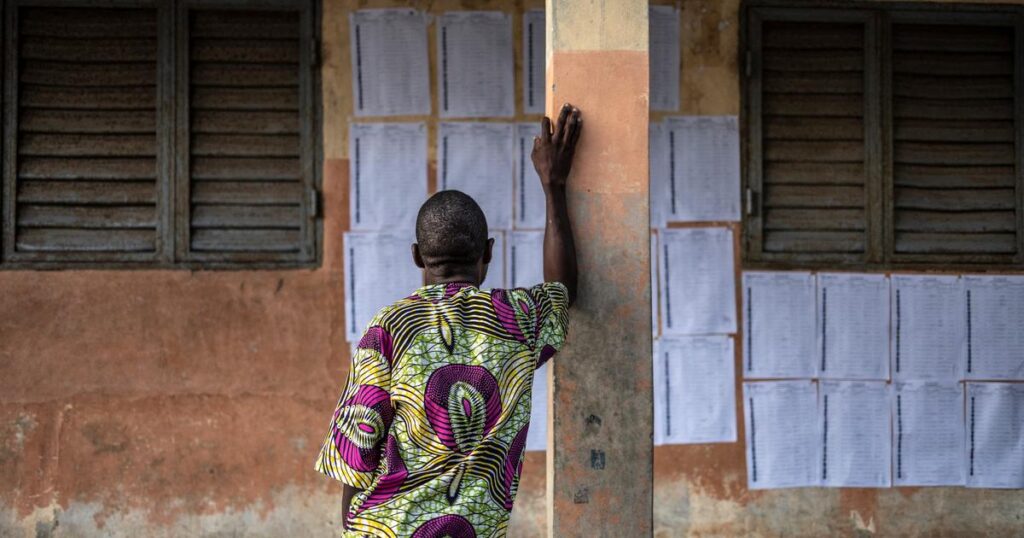
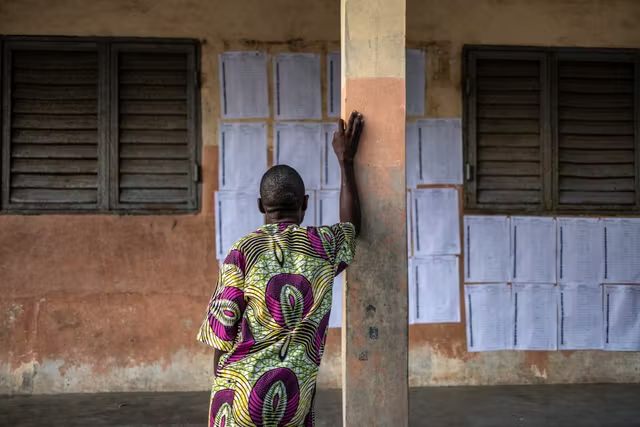
“Preordained outcomes,” “lackluster campaigns,” “incumbents coasting to victory in the first round.” The 2025 presidential elections across Africa revealed a disturbing pattern: opposition candidates were systematically sidelined before campaigns even began. The latest examples came in Djibouti on April 10 and in Benin on April 12. In the Horn of Africa nation, President Ismaïl Omar Guelleh secured a sixth term with 97.8% of the vote, while in West Africa, Romuald Wadagani—Patrice Talon’s anointed successor—claimed 94% in Benin’s presidential race. Both victories arrived amid near-total absence of viable opposition.
In Djibouti, opposition leader Alexis Mohamed abandoned his candidacy, citing not only safety concerns but, more critically, crippling nomination fees that made campaigning impossible for most challengers. Analysts described the elections as “purely ceremonial,” with the process reduced to a technicality rather than a genuine democratic contest.
When money decides elections
Across the continent, aspiring leaders face prohibitive campaign costs that often exceed a year’s salary for an average citizen. These exorbitant fees—ranging from registration deposits to obligatory publicity expenditures—serve as a financial barrier, effectively locking out independent and opposition voices before ballots are even cast. The phenomenon has become a defining feature of African elections in 2025, with Djibouti and Benin standing as emblematic cases.
While incumbents benefit from state resources and institutional backing, challengers must navigate a labyrinth of expenses that includes venue rentals, media buys, and security arrangements—all underwritten by personal fortunes or party coffers. The result? A political landscape where only the wealthiest or most connected candidates can realistically compete, leaving voters with little meaningful choice.
Systemic exclusion
The impact extends beyond individual races. When opposition figures are priced out of participation, elections lose credibility, exacerbating public distrust in democratic institutions. Citizens in both Djibouti and Benin reported frustration with processes that felt “rigged from the start,” where outcomes were predetermined by financial rather than electoral dynamics. International observers have flagged these fee structures as antithetical to inclusive governance, warning that they undermine the very foundations of representative democracy.