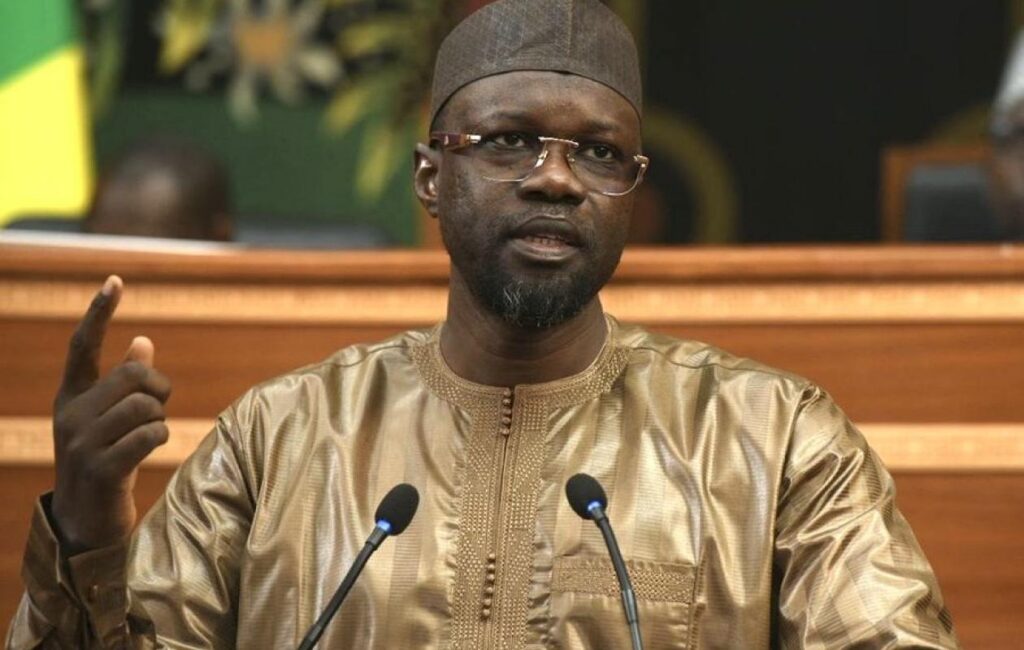
Prime Minister Ousmane Sonko of Sénégal has raised the alarm about a looming increase in fuel prices, driven by escalating international tensions. During a session in the national assembly, he emphasized that such an adjustment could strain public finances and the national economy, ultimately impacting the purchasing power of Sénégalais.
The Prime Minister highlighted the sharp rise in global oil prices, exacerbated by instability in the Middle East. He noted that the initial budget assumptions, based on lower oil prices, no longer align with current market realities, placing significant pressure on Sénégal’s financial framework.
« We are facing a dual crisis, » he stated, adding that many nations have already adjusted pump prices in response. « Sénégal is directly feeling the effects of this volatility. »
Wider economic repercussions
Beyond fuel costs, the Prime Minister pointed to broader economic disruptions. Rising oil prices have increased insurance premiums for tankers transporting fuel from the Gulf, further compounding the financial strain on the state.
He estimated that energy subsidies could swell to over 1,000 billion FCFA, representing a substantial portion of the national budget. This financial burden underscores the urgency of addressing the situation without compromising essential services.
Balancing economic pressures with social priorities
Ousmane Sonko reiterated that protecting the purchasing power of Sénégalais remains a top government priority. However, he acknowledged the challenges of absorbing external shocks, stressing that while the administration will strive to mitigate the impact, there are limits to what can be sustained.
« We will persevere for as long as possible, but we must remain realistic, » he cautioned. « No one is exempt from the constraints of these circumstances. »
Agricultural subsidies under review
The Prime Minister also addressed inefficiencies in Sénégal’s agricultural subsidy system, currently estimated at around 130 billion FCFA. He outlined plans to gradually shift focus toward mechanization and water management technologies to boost year-round agricultural productivity and reduce wasteful spending.