
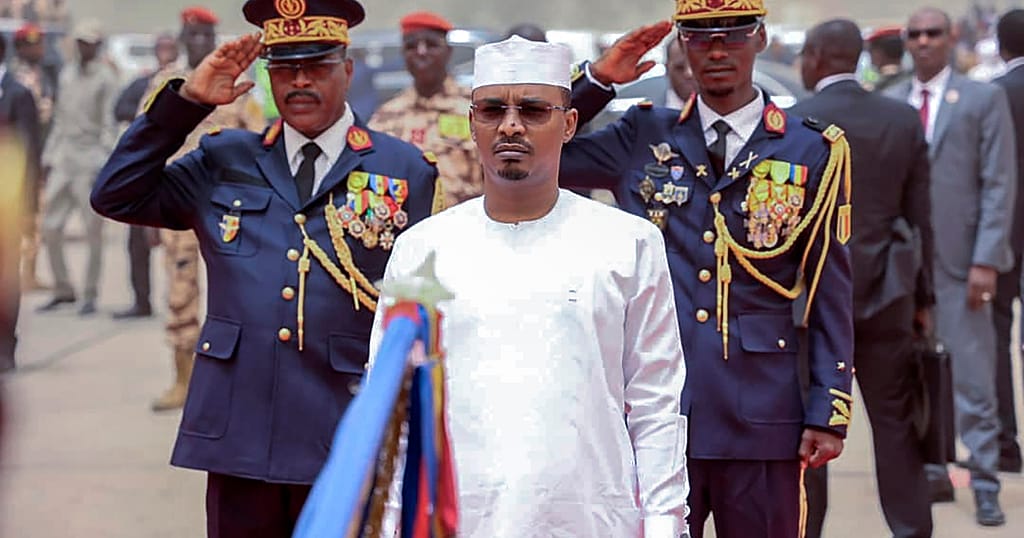
In Chad, the sentencing of eight opposition leaders from the GCAP coalition to eight years in prison on May 8, 2026, has sparked strong reactions across the political spectrum. Opposition figures are denouncing what they describe as an alarming authoritarian drift, warning of a significant erosion of public freedoms in the country.
While some activists claim the verdict came as no surprise, many view it as yet another sign of the government’s hardening stance toward political dissent. The trial’s proceedings have drawn sharp criticism, with critics questioning whether justice was truly served or weaponized for political purposes.
Alifa Younous Mahamat, Europe coordinator for the Parti Socialiste Sans Frontière (PSF), argues that the trial failed to meet even the most basic standards of fair justice. He asserts that this conviction is part of a broader pattern of measures aimed at silencing critical voices in Chad.
The political leader points to a series of recent events that have intensified pressure on the opposition: the imprisonment of Succès Masra, the stripping of nationality from exiled activists, and the tragic killing of Yaya Dillo, leader of the PSF, during a military raid on party headquarters in 2024. Additionally, Robert Gam, the party’s secretary-general, was released after months of secret detention but fled the country, citing safety concerns.
According to Alifa Younous Mahamat, Chad’s judiciary is increasingly being used as a political tool to target opponents and undermine democratic change.
Political opposition under siege
Albert Pahimi Padacké, leader of the Rassemblement National des Démocrates Tchadiens (RNDT) and former Prime Minister, warns that the recent judicial decision reflects a systematic campaign by the ruling Mouvement Patriotique du Salut (MPS).
He contends that since the establishment of the Fifth Republic, the ruling party has intensified efforts to suppress political opposition, consolidating power while instilling fear among critics. Pahimi Padacké himself admits to living under the constant threat of arrest or legal persecution, a sentiment shared by many in the opposition.
These developments have deepened concerns about the state of democracy in Chad. For numerous opposition figures, the wave of arrests, prosecutions, and political restrictions signals a gradual but unmistakable tightening of freedom of expression and political action in the country.
What’s next for Chad’s democracy?
As political tensions escalate, the international community and civil society continue to monitor the situation closely. With each new judicial ruling targeting opposition leaders, the question remains: how much further will the space for dissent shrink before concerted action is taken to reverse this troubling trend?
More Stories
Ousmane Sonko’s firm stance on Senegal’s FMI agreement demands full transparency
Senegal’s institutional crossroads: the unfolding dynamic between Ousmane Sonko and Bassirou Diomaye Faye
Minister abdourahmane diouf reignites feud with ousmane sonko over special credits reform