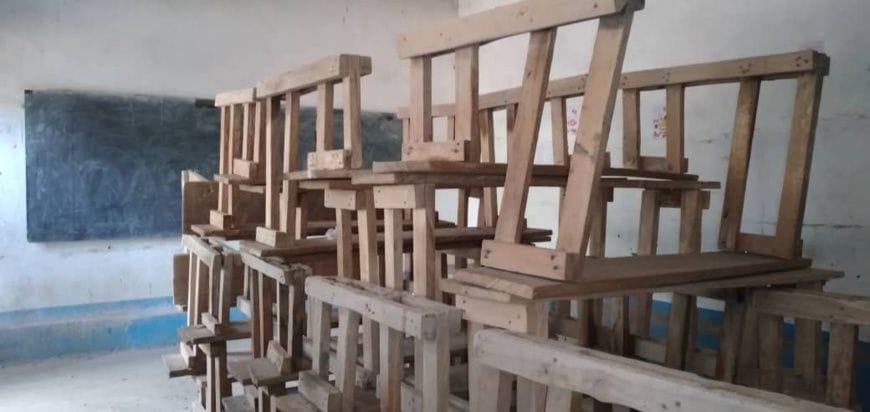
Tchad’s classrooms face growing indiscipline as schools and families struggle to restore order
Education in Tchad is facing a growing crisis that threatens the nation’s future. Schools across the country are grappling with rising indiscipline, from disrespect toward teachers and frequent fights to the misuse of smartphones in classrooms and the destruction of school property. These once-uncommon behaviors now disrupt learning in N’Djamena and beyond, leaving educators overwhelmed and concerned about the country’s next generation of leaders.
Teachers report that maintaining order and respect has become increasingly difficult. Many say that students today are far more resistant to authority than in previous years. Simple corrections can escalate into verbal abuse or aggressive reactions, pushing educators to the limits of their patience. Despite clear school rules and disciplinary measures, the situation continues to deteriorate, signaling a deeper societal issue.
“Teaching has never been harder,” admits Michel Ngardiguina, a French teacher in a N’Djamena high school. “Students no longer accept criticism or respect teachers’ authority. Sometimes, even a gentle reprimand leads to insults or confrontations. Without strong support from parents at home, schools alone cannot fix these problems.”
>The breakdown in discipline reflects a broader failure in socialization. Families play a foundational role in shaping a child’s behavior, discipline, and respect for rules. Yet many parents, burdened by economic hardship and daily struggles, struggle to provide the guidance their children need. The rise of smartphones and social media has further complicated matters, exposing students to harmful influences without adequate parental oversight.
Amina Moussa, a parent in the Walia Barrière district of N’Djamena, shares her concerns: “Many parents are too busy dealing with financial pressures and family responsibilities to monitor their children’s behavior. We must reclaim our role in their upbringing and work closely with teachers to protect their futures.”
Why schools cannot act alone
While schools are responsible for education and instilling values like discipline and civic responsibility, they cannot replace the role of the family. When children arrive at school without basic behavioral foundations, teachers face an uphill battle. A chronically undisciplined school environment produces graduates unprepared for the demands of modern society—a dangerous outcome for a nation striving for progress.
The solution lies in collective action. Both schools and families must take urgent steps to restore order and accountability. Practical measures include:
- Strengthening parent-teacher communication: Regular meetings and open dialogue between educators and families can help identify problems early and align expectations.
- Engaging adolescents directly: Understanding their challenges and concerns allows adults to address root causes of misbehavior.
- Revitalizing parent-teacher associations: These groups can serve as bridges between schools and communities, fostering shared responsibility.
- Launching awareness campaigns: Public education on the importance of discipline, respect, and the dangers of unchecked smartphone use in classrooms.
A national call to action
The future of Tchad is being shaped in its classrooms today. Restoring school discipline and reinforcing parental responsibility is not just an educational priority—it is a national imperative. The time for passive observation has passed; what is needed now is unified, decisive action from all stakeholders to secure a better future for the country’s youth.