The rise of the smartphone as a social status symbol for Chadian women
In N’Djamena, high-end mobile devices have evolved into essential markers of prestige, redefining how young women navigate social media and their standing in Chadian society.
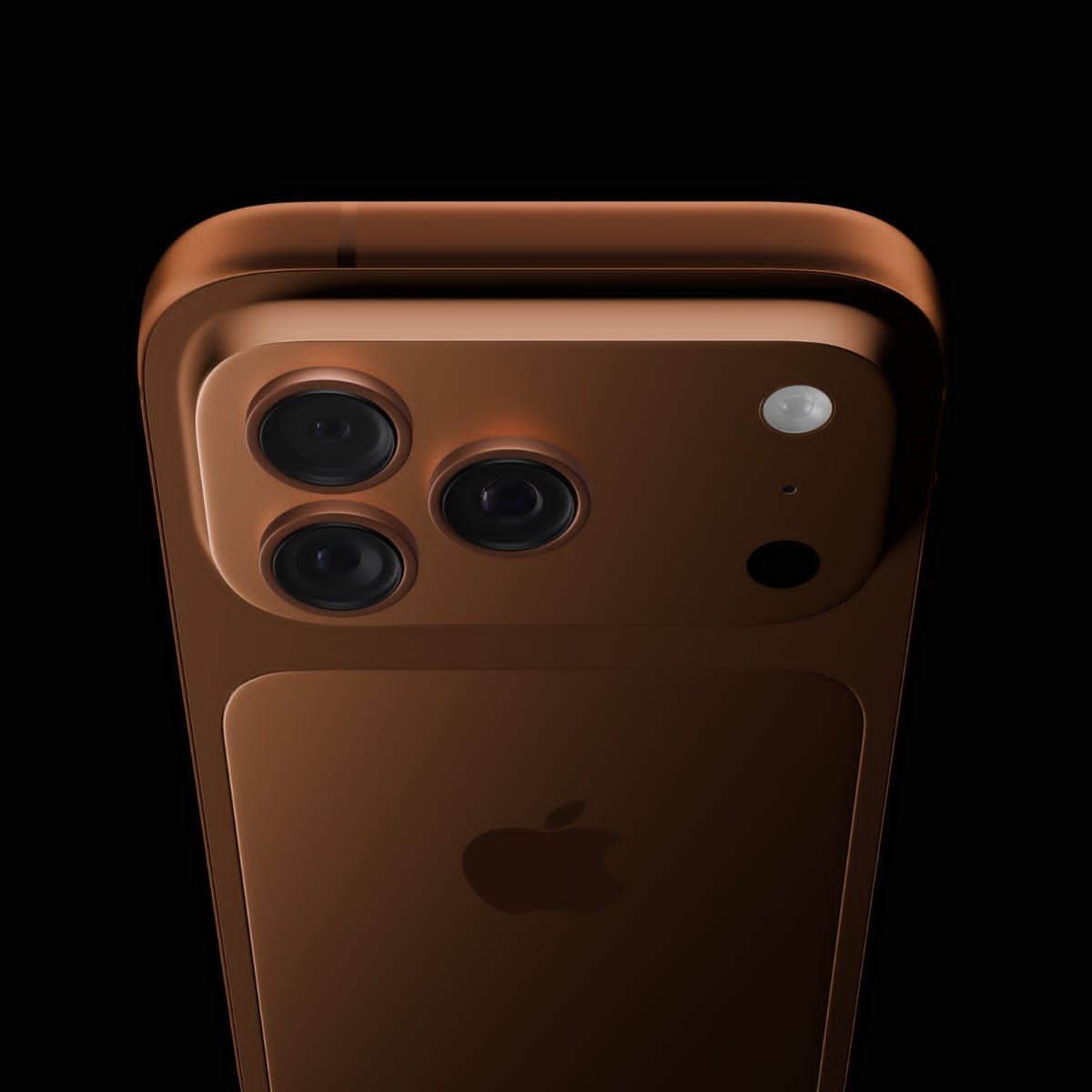
A subtle yet profound shift is altering the social fabric for young women in Tchad. From bustling working-class neighborhoods to more affluent districts, a new visual language is taking hold, fueled by global digital trends. Today, the concept of a “modern woman” in the capital is increasingly linked to elegance, social outings, and the ownership of high-value items: designer outfits, premium cosmetics, and, most importantly, the latest flagship smartphones—specifically the newest iPhone models.
The phone as a digital passport
In everyday life in N’Djamena, a mobile phone is no longer just a tool for calling or texting; it has become a definitive social marker. “If you don’t have an iPhone, you effectively don’t exist online,” says Fati, a 21-year-old student at HEC Tchad. She describes a palpable pressure to conform: “Without a high-end device, especially a recent iPhone, your credibility on social networks drops. Even the quality of your photos depends entirely on it.”
This sentiment is echoed by many young women across the city. Digital platforms have turned personal identity into a permanent storefront where the quality of one’s hardware, clothing, and background environment dictates their social value. In certain parts of the capital, luxury is more than just wealth—it is a social currency, a way to maintain visibility in a digital landscape where being seen is the ultimate goal.
The weight of appearances
Mariam Senoussi, 24, explains the logic behind this trend: “Even if you aren’t wealthy, you have to project that image. Otherwise, you become invisible.” This drive often leads the youth to prioritize their outward appearance, sometimes at the expense of other economic or professional goals.
Social media platforms act as a megaphone for this phenomenon. Feeds are saturated with images of luxury lifestyles—travel, fine dining, and the latest tech. However, these polished images often mask a more complex reality involving careful staging, filters, or hidden financial struggles.
Local observations suggest that this constant exposure breeds a culture of social comparison and heightens aesthetic expectations. At the center of this visual economy sits the smartphone. In N’Djamena, the price of the latest models can climb above one million francs CFA, making them a luxury out of reach for many, yet the demand remains incredibly high.
Economic reality and social capital
Issa Kally, a mobile phone retailer in the city center, has noticed this firsthand. “Many young female customers are determined to get the newest models. Whether they save for a long time or find other ways, it has become a top priority for them,” he notes.
Contrary to some misconceptions, this focus on luxury does not mean these women are avoiding work. Many are active in the informal economy, working in hair salons, tailoring, online retail, or various service sectors. In a climate where stable, formal employment is scarce, achieving social mobility through personal branding or informal entrepreneurship often seems more attainable than traditional career paths.
Experts suggest this isn’t a rejection of labor, but rather an adaptation to a fragile economy and a global digital culture where image is a form of capital. Luxury items and smartphones are not replacing economic activity; they are becoming tools for social recognition. Behind the carefully curated posts on social media lies the nuanced reality of Tchad’s female youth—navigating modern dreams, intense social pressure, and limited economic opportunities.

More Stories
Can Niger still call itself a state of law after jailing lawyer Abdourahamane Lirwana?
Can Benin replicate its 2023 financing success with 328 billion FCFA in 2026?
Burkina Faso: can the official narrative on four years of Ibrahim Traoré’s rule withstand scrutiny?