The United States Department of the Treasury has moved to disrupt the financial networks of the M23 rebel group by imposing sanctions on Gasabo Gold Refinery and its managing director, Jean Malic Kalima. This action follows allegations that the Rwandan-based firm played a pivotal role in the illegal extraction and smuggling of gold from the eastern Democratic Republic of Congo.
Evidence suggests that the refinery worked in coordination with Rwandan government officials and M23 insurgents. Reports indicate that Rwandan soldiers and rebel fighters provided security for gold shipments moving through Bukavu before they were transported to Kigali for processing. In the opening months of 2026 alone, approximately 60 kilograms of gold, valued at millions of dollars, were reportedly funneled into Rwanda through these illicit channels.
This diplomatic and economic escalation occurs as international outcry grows over the systematic plundering of Congolese natural resources and the relentless cycle of violence gripping the eastern provinces.
Direct financial consequences
Washington’s primary objective is to sever the financial lifelines that allow armed factions to benefit from illegal mining. US Treasury Secretary Scott Bessent stated that the United States will not permit lawless entities to destabilize the region through illicit mineral trade, asserting that the mineral wealth of the RDC belongs to the Congolese citizens.
The sanctions mandate an immediate freeze on all assets held by the refinery and Jean Malic Kalima within US jurisdiction. Furthermore, American citizens and businesses are strictly prohibited from engaging in any transactions with the sanctioned parties. These measures may also impact international firms that utilize the US dollar or operate through American subsidiaries.
Mineral wealth at the heart of the eastern RDC conflict
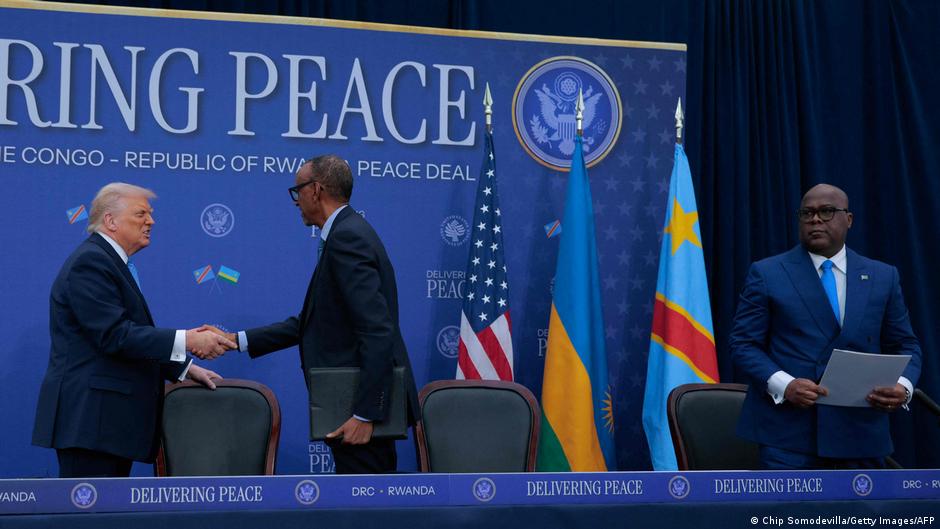
Since its resurgence in late 2021, the M23 has seized control of significant territory in eastern RDC, areas known for their strategic mineral deposits. While Kinshasa, the United Nations, and various Western governments have accused Rwanda of providing military backing to the rebels, Kigali continues to deny any involvement.
The extraction of resources serves as a vital revenue stream for the insurgency. In April 2024, M23 forces took control of Rubaya, a critical site for coltan production. This region accounts for roughly 15% of the global supply of coltan, a mineral essential for the manufacturing of smartphones and other high-tech electronics. By taxing the mining and trade of these materials, the group generates substantial income.
Escalating claims of resource exploitation
The latest US measures follow a recent investigation by Global Witness, which claimed that hundreds of tons of coltan illegally mined in eastern RDC were laundered through Rwanda before entering the global supply chains of major electronics manufacturers. UN experts have further estimated that between May and October 2024, approximately 120 tons of coltan were exported monthly to Rwanda from M23-occupied zones.
These sanctions demonstrate Washington’s strategy to target the commercial networks that sustain armed conflict. The move also reignites the global conversation regarding the traceability of strategic minerals and the accountability of international players in global supply chains.