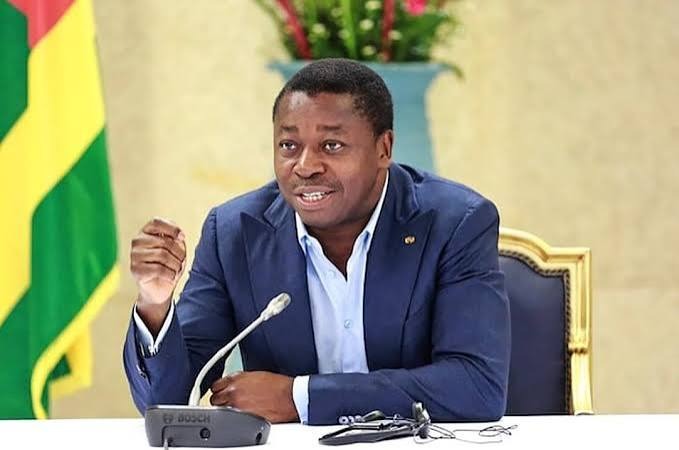
The World Bank Group has recently greenlit a massive 200 million dollar package aimed at overhauling Togo‘s transport infrastructure and reviving its decaying railway system. While official statements paint a picture of Lomé evolving into a premier “logistics hub” for the Sahel, the reality on the ground suggests a far more complex and troubling narrative. Entrusting such a significant sum to a government characterized by opaque economic management raises urgent questions about the viability of this investment.
The railway project: ambition vs. historical neglect
The centerpiece of this initiative is the rehabilitation of the rail link between the Autonomous Port of Lomé and the Adétikopé Industrial Platform (PIA). On paper, shifting freight from congested roads to rail is a logical step for urban development. However, the Togo railway sector has long been a graveyard of abandoned assets, suffering from decades of chronic underinvestment and short-sighted political maneuvering.
Placing these complex projects under the control of the national bureaucracy feels like a blind leap of faith. Togo is frequently criticized for its sluggish structural reforms and the inefficiency of its public spending. Allocating 200 million dollars to tracks and sleepers without ensuring the administration possesses the necessary transparency and competence is putting the cart before the horse. At best, it reflects a lack of foresight; at worst, it rewards poor governance.
A logistics hub or a financial sieve?
While the dream of becoming the gateway to the Sahelian hinterland is central to Togo‘s branding, the Lomé-Ouagadougou-Niamey corridor tells a different story. Systematic corruption, administrative bottlenecks, and customs hurdles continue to stifle economic progress. Despite its technical capabilities, the Port of Lomé remains entangled in scandals involving favoritism and porous financial circuits.
Pouring capital into physical infrastructure without cleaning up the business environment is unlikely to yield results. As long as nepotism and a lack of political change paralyze institutions, international aid risks feeding patronage networks rather than the real economy. By failing to link these grants to a genuine crackdown on the embezzlement of public funds, international partners become passive observers of the country’s economic stagnation.
The oversight of international financial institutions
This sudden generosity from the World Bank invites scrutiny of its own evaluation processes. It is difficult to justify such a massive financial commitment when Togo faces desperate social crises in healthcare, education, and water access—areas that are largely neglected by the national budget. The administration of Faure Gnassingbé has mastered the art of creating “showcase” projects to attract development partners while the country’s internal structure remains fragile.
This 200 million dollar program threatens to increase the nation’s financial burden without any guarantee of a return for the general population. If Togo seeks international credibility, it must first demonstrate a commitment to transparent resource management. Until then, this funding appears to be little more than a blank check for a system that has long prioritized resource capture over national development.



More Stories
Niger’s junta turns on its own: how general Barmou’s fall exposes systemic instability
Mutiny in Niamey exposes fractures in Niger’s military leadership
What Niamey’s aid dependency means for its sovereignty claims