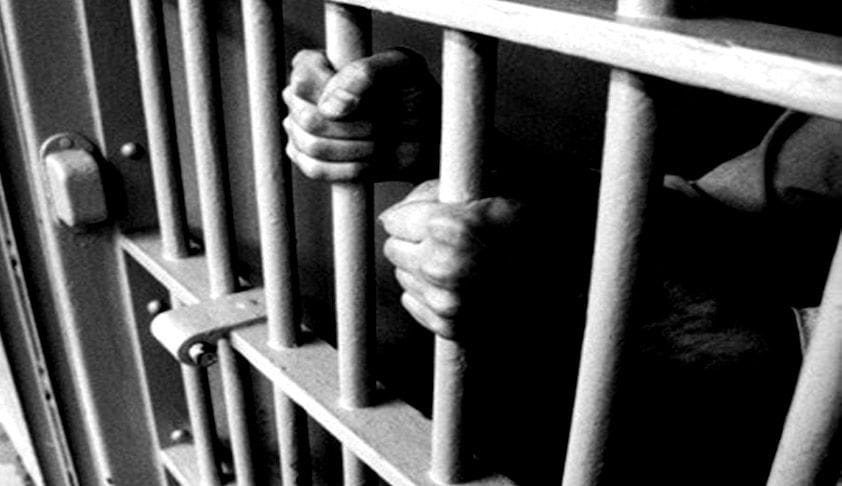
Chad’s reconciliation illusion: how presidential pardon shapes politics
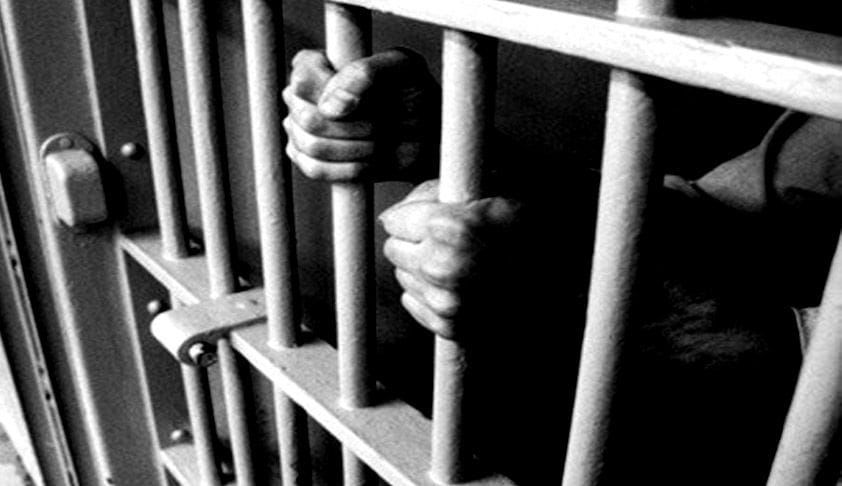
President Mahamat Idriss Déby Itno’s recent address on Chad’s independence day, August 11, reflects a calculated political strategy blending republican authority with strategic magnanimity to sway public opinion.
By spotlighting systemic scourges like corruption and nepotism while announcing an impending presidential pardon, the government crafts a narrative of renewal that masks deeper political motives.
Denouncing ills to avoid responsibility
The first tactic hinges on appropriating opposition rhetoric. By framing graft and embezzlement as « obstacles to progress, » the head of state neutralizes systemic criticism. This posture allows him to pose as a reformer committed to the public good, while deflecting scrutiny from his administration’s record since April 2021.
The pledge of « surprise inspections » and sanctions creates the illusion of decisive action, diverting attention from structural failures by blaming faceless subordinates.
Pardon vs. amnesty: the trap of acknowledging guilt
The core of this performance lies in the choice of clemency instruments. A presidential pardon, framed as a peace offering, is a potent political tool. Unlike blanket amnesty, which erases offenses and enables broader legal rehabilitation, a pardon only suspends a sentence. The conviction remains.
This distinction serves the government’s interests. It keeps recipients in a precarious position, where their status as pardoned felons restricts future political ambitions and undermines their credibility as opposition leaders. It also reinforces the president’s dominance: social harmony is not negotiated but granted unilaterally.
The message is clear: power remains in the presidency’s hands, with pardons serving as a carrot to silence dissent.
Unequal justice and the specter of division
This discourse reveals stark inconsistencies in how dissent is handled. Armed groups have benefited from amnesties in the name of transition and peace. Meanwhile, peaceful opposition figures—such as those linked to Les Transformateurs—face severe legal persecution and marginalization.
This double standard fuels perceptions of bias and identity-based targeting, deepening regional divides instead of fostering the national unity claimed by the government.
Historical precedents show that lasting reconciliation demands inclusive mechanisms, genuine political dialogue, and equitable treatment—not selective acts of clemency.
The gap between rhetoric and reality
The president’s acknowledgment of pressing needs—water, electricity, infrastructure, justice—can come across as hollow empathy. Acknowledging hardship without committing to measurable goals or timelines risks appearing as empty symbolism.
Ultimately, this address may be a calculated media operation designed to dominate headlines through emotional appeal and the illusion of consensus. Beneath the conciliatory words, a clear intent emerges: maintaining the political upper hand.
More Stories
Senegal’s 2026 budget vote: can the Pastef majority survive the FMI dilemma?
What does Senegal azerbaijan’s political dialogue framework mean for west africa
What does Nourane Foster’s exit from Cameroon’s PCRN mean for the 2027 elections?