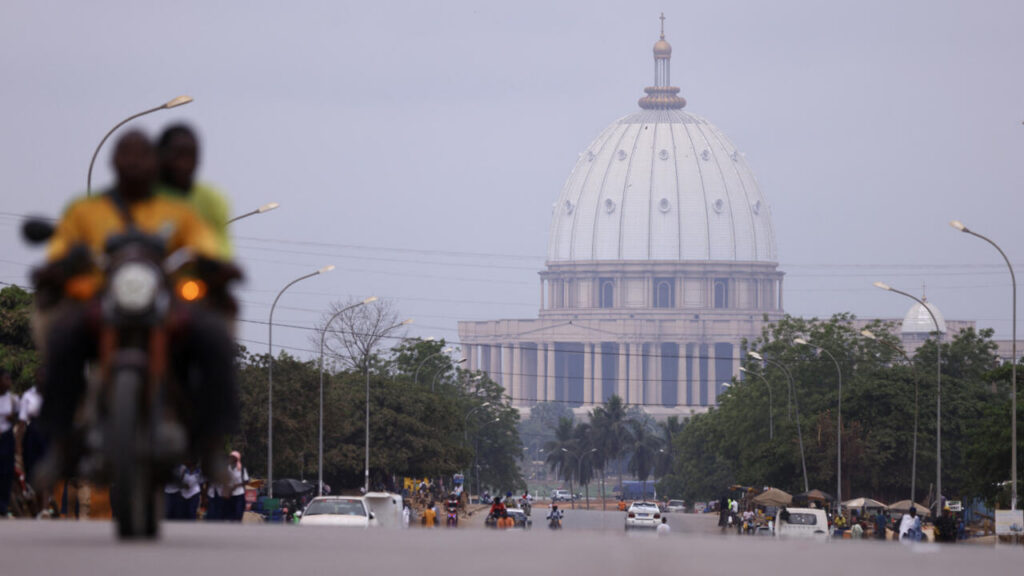
Yamoussoukro is experiencing an unprecedented surge in real estate activity, with land values soaring and construction sites popping up across the city. The capital of Côte d’Ivoire is rapidly transforming into one of the nation’s most dynamic real estate investment hubs. Yet this property boom is reshaping the surrounding villages and raising urgent questions about the future of agricultural land.
The transformation is visible from above, where drone footage reveals neatly divided plots ready for development. Prices for these parcels range between 15 and 40 million West African CFA francs, depending on location and size. Real estate agent Francis Djaha, who has worked in the sector for five years, reports a growing influx of investors: “We see individuals seeking to build residential homes, industrialists scouting for commercial lots, entrepreneurs looking for office spaces, and even those interested in agricultural land. Some are purchasing fully constructed properties.”
The appeal of Yamoussoukro extends beyond land availability. The agent highlights the city’s well-planned infrastructure: “The roads are exceptionally wide, making travel between areas effortless. The city maintains remarkable tranquility, and the infrastructure laid out by President Houphouët-Boigny sets it apart from other urban centers. Most importantly, the city’s central location allows easy access to all other regions of the country.”
farmland disappearing as urban expansion accelerates
While this development brings excitement for investors, it comes at a cost for local farmers. Increasingly, arable land surrounding Yamoussoukro is being converted into residential and commercial plots. Traditional crops like cocoa, yam, and cassava are giving way to housing developments and infrastructure projects.
In Séman Sanhourikro, just a few kilometers from the capital, village elder Michel N’Goran expresses deep concern about the changes. “As the city expands with new housing developments, we’re losing our ability to cultivate the land. In 30 or 50 years, what happened to the Ebrié people in Abidjan could happen to the Akouès and Nanafouès communities here. We may end up with no cultivable land left at all.”
The government’s five-year development plan includes a high-speed train line to connect Abidjan and Yamoussoukro in just 45 minutes, which is expected to further boost the city’s appeal. However, this accelerated growth is intensifying the pressure on available land and raising critical questions about balancing urban expansion with agricultural sustainability.