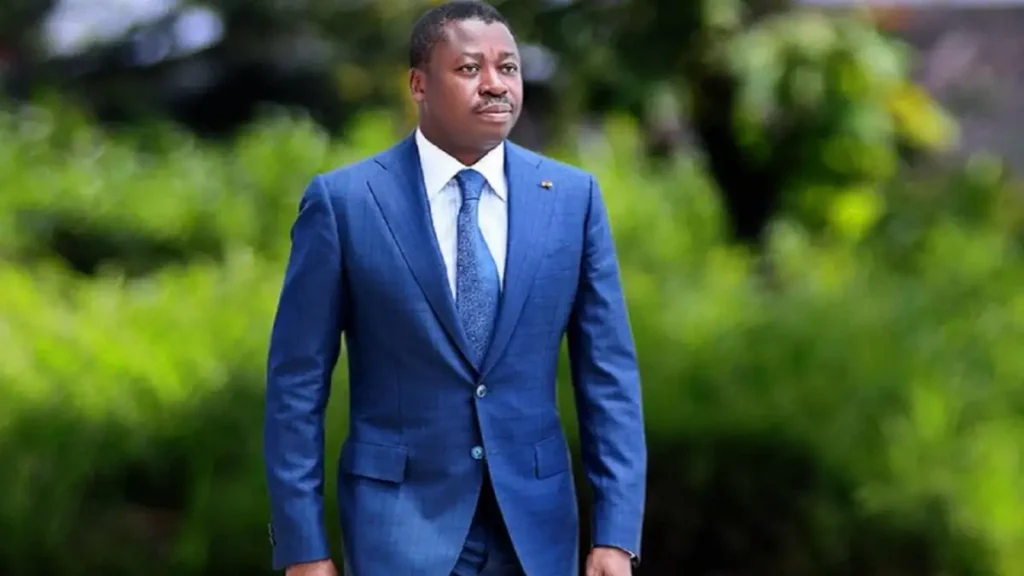
The Nuclear Energy Innovation Summit for Africa is underway in Kigali, gathering top leaders from across the continent. On May 19, Faure Gnassingbé, President of Togo, outlined his vision for Africa’s nuclear future, emphasizing the need for equitable partnerships with global energy stakeholders amid rising nuclear ambitions in the region.
Addressing delegates, the Togolese leader dismissed a one-sided aid-based approach to nuclear technology. « Africa does not seek handouts of technology. We seek partnerships. We offer a market. We present a mature vision for our own energy needs », he asserted.
African countries push for civil nuclear self-reliance
Several African nations are accelerating their civil nuclear programs to meet surging energy demands and chronic power shortages. Egypt is constructing the El Dabaa nuclear plant with international technical and financial support, while South Africa remains the continent’s sole operator of an operational nuclear facility at Koeberg.
According to the International Atomic Energy Agency, multiple African states are negotiating with foreign partners to develop nuclear power capabilities, primarily to address energy security challenges and fuel long-term economic growth.
Harnessing uranium wealth while reducing foreign dependence
Africa boasts significant uranium reserves, with Niger and Namibia among key global producers. Uranium serves as a critical fuel source for nuclear reactors, yet most African countries still rely heavily on foreign expertise for reactor design, construction, and operational management.
Current nuclear projects depend largely on technical collaborations with countries possessing advanced nuclear industries, highlighting the need for Africa to build domestic capabilities.
Key challenges: training, regulation, and funding
Discussions at the summit also focused on the prerequisites for successful nuclear projects. Experts underscored the urgency of strengthening human capital through specialized engineering and nuclear safety training programs. Establishing independent regulatory bodies emerged as a non-negotiable step toward safe civil nuclear development.
Financing remains another critical hurdle, with large-scale projects often requiring multi-billion-dollar investments over decades. Future priorities include finalizing cooperation agreements announced during the summit and launching national nuclear development roadmaps in participating countries.