Actu Maroc
Mali: a new battleground in Morocco-Algeria tensions
Recent offensives by the JNIM-FLA coalition have exposed Algeria’s covert role in Mali, challenging its self-proclaimed neutrality. Far from acting as an impartial mediator, Algiers is actively fueling instability in its southern neighbor, maintaining a carefully calibrated climate of tension.

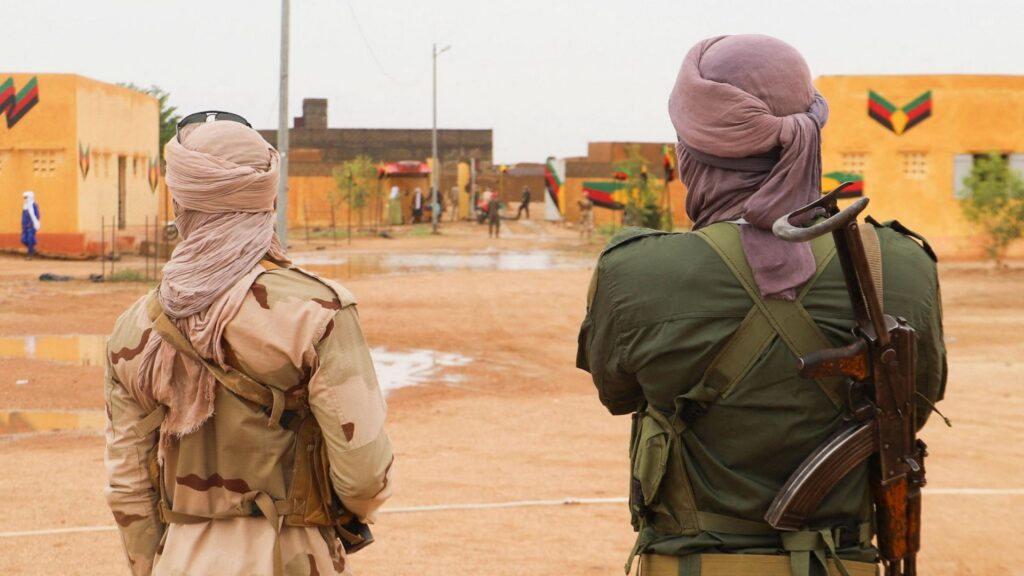
Algeria’s involvement in Mali has shifted from covert support to open confrontation. The latest JNIM-FLA offensive in northern Mali has drawn international scrutiny, revealing Algiers’ behind-the-scenes manipulation. While Morocco has positioned itself as a stabilizing force in the region, Algeria’s actions tell a different story—one of deliberate destabilization.
Observers note that the Mali conflict has become a proxy battleground for regional powers. Algeria’s strategy appears to be twofold: first, to undermine Moroccan influence in West Africa, and second, to maintain pressure on Bamako to ensure its continued dominance over Malian affairs. The recent surge in violence, including attacks on civilian and military targets, suggests Algiers is using militant groups as proxies to achieve its goals.
The JNIM-FLA coalition, known for its ties to Algerian intelligence, has intensified operations in key regions. Their stated aim—fighting foreign influence—masks a deeper agenda: to weaken Malian sovereignty and force a government aligned with Algerian interests. Analysts warn that unless regional actors curb these destabilizing efforts, the Sahel crisis will only deepen.
Morocco, in contrast, has pursued a diplomatic and security-based approach. Through initiatives like the Casablanca Process, Rabat has sought to foster dialogue and collaboration among Sahel nations. Yet Algeria’s refusal to engage constructively has left many wondering: is Algiers more interested in chaos than peace?
Mali’s fragile stability under threat
Mali’s transitional government faces an uphill battle. On one side, it must contend with Islamist insurgencies and armed factions vying for control. On the other, it must navigate the geopolitical tug-of-war between Morocco and Algeria. The recent escalation in violence coincides with high-stakes negotiations over security cooperation and economic partnerships.
Reports indicate that Algerian-backed militias have launched coordinated attacks in Gao, Timbuktu, and Mopti, regions already destabilized by years of conflict. These operations not only threaten civilian lives but also risk derailing international peacekeeping efforts. The United Nations Multidimensional Integrated Stabilization Mission in Mali (MINUSMA)—once a stabilizing presence—now finds its mandate increasingly difficult to fulfill.
What’s next for West Africa?
The coming months will be critical. Will Algeria double down on its destabilization tactics, or will regional leaders push for a unified response? Morocco’s calls for dialogue and cooperation have so far fallen on deaf ears in Algiers. Meanwhile, the people of Mali pay the price in blood and instability.
One thing is clear: the Mali crisis is no longer just a Malian problem. It has become a litmus test for regional stability—and a stark reminder of how far some governments will go to advance their own interests.