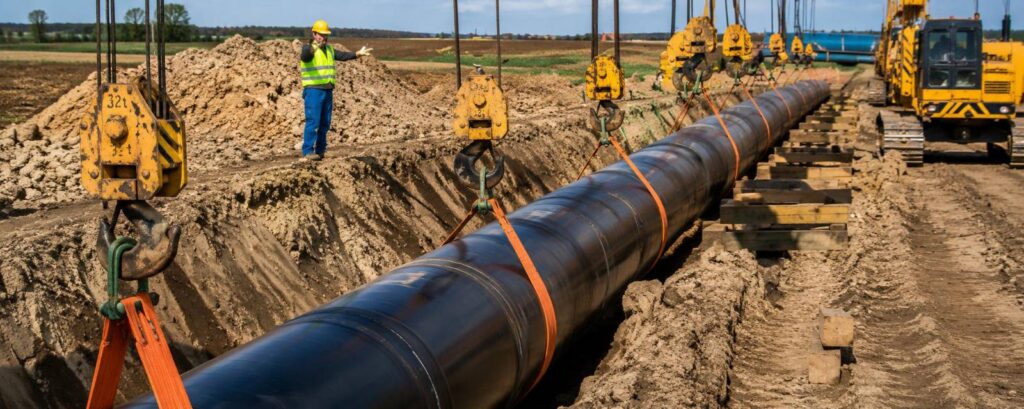
The recent string of oil agreements inked by Niamey with the China National Petroleum Corporation (CNPC) has cast a harsh spotlight on the contradictions between bold declarations and economic survival. Months after rejecting Chinese terms as exploitative, the Nigerien military government has performed a dramatic about-face, prioritizing immediate financial relief over the once-vaunted principle of regained sovereignty.
Government officials had spent weeks insisting on drastic revisions to oil exploitation conditions and the WAPCO pipeline infrastructure, framing their stance as a defense of national dignity. Yet the harsh reality of an economy starved of regional and international support left policymakers with no viable alternative but to return to the negotiation table—this time as supplicants rather than negotiators.
What the deals promise—and what they conceal
The freshly signed accords, publicly celebrated as a triumph of “Nigerization” and a boost to state participation (now 45% in WAPCO), are fundamentally a lifeline for a treasury on the brink of collapse. The immediate priority isn’t long-term development; it’s plugging the gaping hole in foreign exchange reserves by reviving oil exports at any cost.
Skeptics, however, see a more troubling narrative. Critics argue these contracts could become a slush fund for the ruling elite, bypassing international oversight and fueling corruption. In this view, the much-touted gains in local job quotas and wage harmonization at the Soraz refinery are little more than window dressing, masking deeper structural dependencies on Beijing.
The illusion of energy independence
The new arrangements do little to dismantle Niamey’s reliance on Chinese capital. While the government touts increased state participation, the CNPC retains strategic control across the entire oil value chain—from extraction to maritime export. This mirrors patterns seen across sub-Saharan Africa, where resource wealth often strengthens central power rather than delivering inclusive growth.
The critical question now is whether these Chinese-led funds will trickle down to critical public services or vanish into opaque spending. Without robust institutional checks and transparency, the risk remains that oil revenues become another tool for regime consolidation, not national progress.