Strengthening surveillance and response through regional cooperation
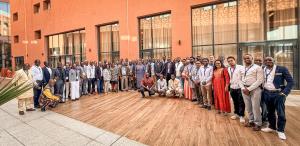
In a concerted effort to fortify public health across the continent, more than 80 specialists from 19 African nations have convened in Dakar. This gathering focuses on refining the accuracy, consistency, and application of data vital for monitoring poliomyelitis and managing outbreak responses. Improving these systems is a critical step toward better disease detection and more effective vaccination campaigns to protect children throughout the Africa region.
The initiative is part of a specialized workshop dedicated to data quality assessment and the coordination of polio-related workstreams. Running from June 8 to June 19, 2026, the event is organized by the Polio Eradication Programme of the regional health authorities. By bringing together representatives from various Ministries of Health, national reference laboratories, and regional technical offices, the workshop seeks to modernize the data infrastructure that supports evidence-based decision-making.
Addressing technical gaps in disease monitoring
Participants are conducting a thorough review of data quality across several essential pillars of the eradication strategy. This includes the surveillance of acute flaccid paralysis (AFP), environmental monitoring, laboratory analysis, and electronic tracking systems. A major focus is also placed on evaluating supplementary immunization activities (SIAs) to ensure they reach the intended populations.
Beyond identifying existing challenges, the sessions are designed to find practical solutions for the timely and reliable transmission of information. This includes hands-on training with digital tools and platforms developed at the regional level. These technologies are designed to streamline the collection, analysis, and reporting of health data, ensuring that responses to potential outbreaks are grounded in solid facts.
Maintaining vigilance against variant polioviruses
During the official opening of the workshop, Dr. Yao N’da Konan Michel expressed deep appreciation to the Government of Sénégal and its Ministry of Health for hosting the delegation. He praised the country’s consistent leadership in the fight against infectious diseases within the region.
Dr. Yao reminded the assembly that while the Africa region achieved a historic milestone in 2020 by being certified free of indigenous wild poliovirus, the continued presence of circulating variant polioviruses means that the mission is far from over. He stressed that success depends on high-quality surveillance, rapid response capabilities, and the ability to identify and close immunity gaps wherever they appear. A robust digital ecosystem and strong data governance are at the heart of this strategy.
Securing a lasting public health legacy
The technical lead for data and information management, Kebba Touray, explained that the workshop represents a collective commitment to preserving the progress made in public health surveillance. He noted that the current systems are the result of years of dedicated leadership and targeted support from various international partners and foundations.
Touray urged the experts to use these two weeks to establish permanent mechanisms for resolving data quality issues. He cautioned that without accurate data, it becomes nearly impossible to evaluate the sensitivity of disease monitoring or the effectiveness of vaccination drives. Such gaps, he warned, could jeopardize the long-term goal of total polio eradication across the continent.