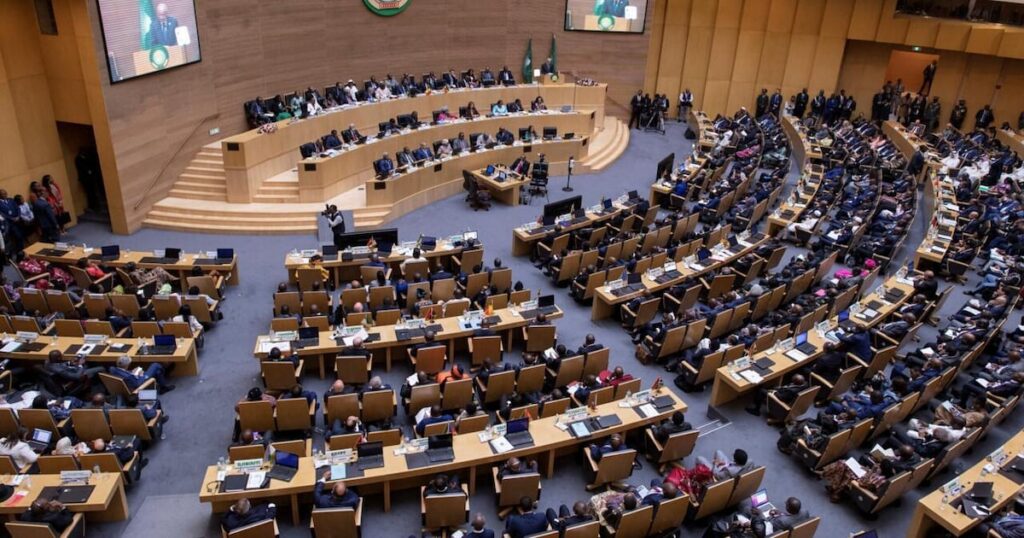
Morocco’s strategic ascent in continental governance
The Kingdom of Morocco has significantly bolstered its standing within the African Union since its historic reintegration in 2017, securing key leadership roles through extensive regional consultations. This enhanced presence underscores the nation’s expanding influence in shaping the continent’s institutional agenda, spanning critical areas such as institutional reforms, economic integration, and sustainable development.
The Moroccan delegation now holds nine top-tier positions across various AU bodies, making it the most represented country in North Africa. Among these appointments, Morocco will serve as vice-president of the ministerial committee overseeing African candidacies in international systems. Additionally, it will lead the vice-presidency of the contributions committee, which assesses member states’ financial contributions—a pivotal role in budgetary governance.
Technical committees and specialized mandates
Morocco’s strategic footprint extends to specialized technical committees vital for policy formulation. The Kingdom has secured seats on the Justice and Legal Affairs Committee, the Economic Development, Tourism, Trade, Industry, and Mining Committee, as well as the Institutional Reforms Bureau. Notably, it will also chair the subcommittee on environmental issues, reflecting its commitment to sustainable governance. Another key appointment includes the vice-presidency of the Permanent Representatives Committee dedicated to human rights, democracy, and governance, further cementing its role in promoting continental stability.
An additional highlight is Morocco’s election to the Board of Directors of the African Centre for Migration Studies, enabling national experts to shape policy on one of the continent’s most pressing challenges. This appointment aligns with the country’s humanitarian and solidarity-driven approach to migration, championed by King Mohammed VI, emphasizing shared responsibility and collaborative solutions.
Diplomatic breakthroughs since 2017
Morocco’s reintegration into the African Union on January 30, 2017, after a 33-year absence, marked a turning point in its continental diplomacy. The move abandoned decades of isolation and unlocked a wave of diplomatic successes, particularly in advancing the Sahara dossier. By shifting from a reactive stance to proactive engagement, Morocco neutralized adversarial maneuvers within AU circles, reinforcing its territorial integrity claims through sustained diplomatic pressure.
This pragmatic strategy has not only strengthened Morocco’s voice in continental affairs but also catalyzed the signing of strategic bilateral agreements with multiple African nations. These partnerships have paved the way for enhanced economic cooperation, technological exchange, and regional cohesion, positioning Morocco as a central player in Africa’s evolving geopolitical landscape.