Algeria has recently intensified its diplomatic efforts with Mali and Niger, two key neighbors in the Sahel, following a period of strained relations and growing influence from Morocco. In a strategic move, Algiers has reopened its airspace to Malian aircraft and restored full diplomatic ties with Bamako after a 15-month hiatus. Meanwhile, relations with Niamey have deepened through military support and joint economic ventures.
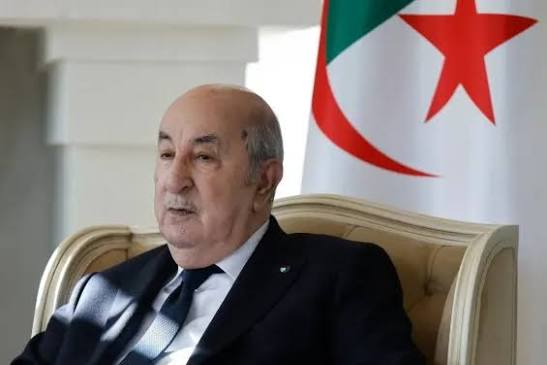
On July 10, Algerian President Abdelmadjid Tebboune ordered the return of Ambassador Kamal Retieb to Mali, while Bamako reciprocated by reinstating its envoy to Algeria and reopening its airspace to Algerian flights. This normalization comes after months of confrontation, including a drone incident near the Tinzaouaten border in April 2025, which had led to mutual accusations and the withdrawal of ambassadors. The recent thaw suggests a broader convergence of interests, with Malian Prime Minister Abdoulaye Maïga highlighting a «total alignment of views» with Algiers, particularly on state sovereignty and non-interference.
The rapprochement with Niger has been even more substantial. On August 9, Algeria delivered four military helicopters—two Mi-24V combat and two Mi-171 transport units—along with spare parts, maintenance equipment, and ammunition to the Nigerien armed forces. Shortly after, the Algerian prime minister visited Niamey to inaugurate the Kafra Sud-Est 1 oil exploration well, while Sonatrach and Niger’s Société nigérienne des produits pétroliers (Sonidep) announced their first joint oil export. These moves reflect a coordinated strategy combining security, energy, and economic cooperation to strengthen Algeria’s foothold in the Sahel.
Sahel nations become battleground for regional influence
The shifting dynamics in the Sahel have intensified competition between Algeria and Morocco. The three countries of the Alliance of Sahel States (AES)—Mali, Niger, and Burkina Faso—have distanced themselves from Western partners, deepened ties with Russia, and forged new diplomatic and economic alliances. In June, their foreign ministers convened in Bamako to advance the AES’s «Diplomacy pillar,» signaling a unified regional approach. For Algeria, this evolving landscape presents both a challenge to its historical influence and an opportunity to re-engage with governments seeking alternatives to Western partnerships.
Morocco, however, has already established a strong presence in the Sahel through a multi-faceted strategy combining political diplomacy, religious outreach, infrastructure investments, and Atlantic-facing initiatives. Analysts note that while Algeria retains significant military and financial resources, Rabat’s ability to create durable economic interdependencies has given it an edge. Algeria’s current push appears reactive, aimed at countering Morocco’s gains rather than advancing an independent agenda. The rivalry underscores a broader struggle for influence, where Algeria seeks to reclaim lost ground before its rival solidifies its position.
Rebuilding bridges with Bamako
The restoration of ties with Mali marks a pivotal moment for Algeria. The two nations had endured a bitter dispute after Bamako’s denunciation of the 2015 peace accord and a cross-border drone incident, which led to mutual expulsions of ambassadors and legal sparring at the International Court of Justice. The July 10 normalization signals a willingness to move beyond past grievances. Malian officials have since emphasized a shared commitment to sovereignty and non-interference, while Algeria reasserts its role in Sahelian security and political discussions. Observers suggest that Niger’s mediation played a key role in facilitating this détente, with both Bamako and Niamey advocating for closer Algerian engagement.
Niger emerges as Algeria’s strategic partner
The depth of Algeria’s engagement with Niger is evident in recent high-level commitments. The March session of the Algeria-Niger High Joint Commission covered energy, security, transport, health, finance, and infrastructure, with both sides declaring their relationship «strategically irreversible.» The delivery of military helicopters and the launch of oil exploration and joint exports demonstrate tangible progress. Yet challenges remain, as these projects face real-world constraints. Nevertheless, Algeria’s approach—balancing military support, energy cooperation, and infrastructure development—reflects a deliberate effort to secure a lasting presence in the Sahel.
Geopolitical imperatives drive this strategy. Algeria shares over 1,300 kilometers of border with Mali and a lengthy frontier with Niger, both of which face growing threats from armed groups. Instability in these regions directly impacts Algeria’s security, making regional cooperation a necessity. However, military cooperation alone is insufficient to sustain influence. Algeria must also compete economically, leveraging its energy sector and infrastructure projects to match Morocco’s offerings. The proposed Trans-Saharan gas pipeline and expanded hydrocarbon ventures are central to this effort.
The unfinished contest with Morocco
Despite Algeria’s recent advances, Morocco retains a significant head start. In April, Mali withdrew its recognition of the self-proclaimed Sahrawi Arab Democratic Republic (SADR) and endorsed Rabat’s autonomy plan for Western Sahara—a move that underscores the broader rivalry. The AES countries have progressively strengthened ties with Morocco, complicating Algeria’s attempts to regain influence. For Algiers, the stakes extend beyond Sahelian politics; the contest now involves rallying African capitals to its position on Western Sahara. The current phase of Algeria’s regional policy is less about expansion and more about recovery—preventing Morocco from capitalizing on Algeria’s past missteps.
A fragile recovery in the making
Algeria’s efforts to reclaim lost ground in the Sahel remain tentative. The restoration of ties with Mali and the strengthened partnership with Niger represent a bid to rebuild influence through bilateral engagement, energy projects, and security cooperation. Burkina Faso, while less prominent in these developments, completes the trio of AES states targeted by Algiers. Yet the approach is constrained by a fixation on outmaneuvering Morocco rather than presenting an independent vision for the Sahel. True regional leadership would require an offer that goes beyond reacting to its neighbor’s moves—a challenge Algeria has yet to fully meet.