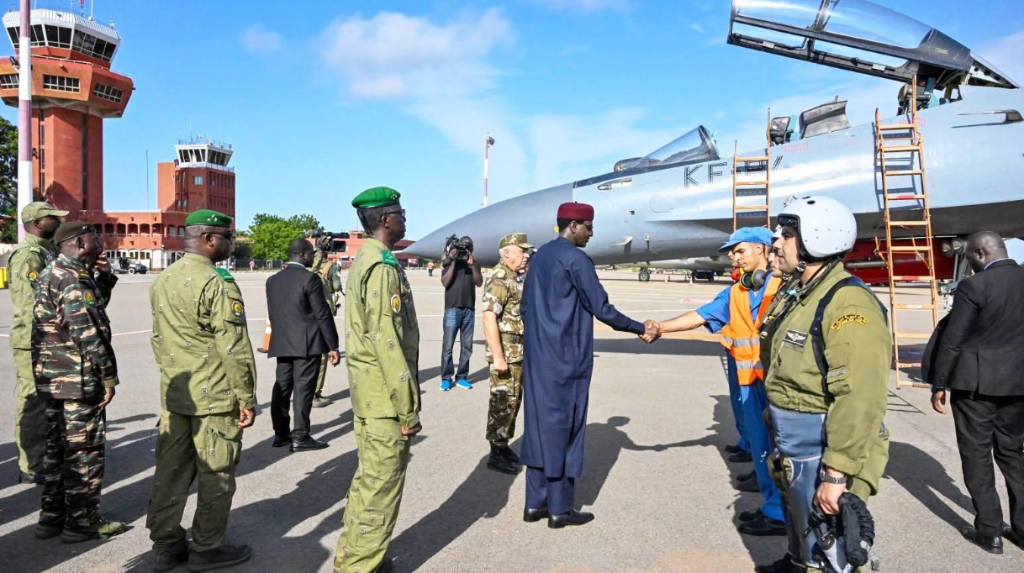
The urgent summoning of Algeria’s parliament on 25 October has reignited debates about the wider implications of its growing military ties with Niger. Beyond speculation about potential troop deployments, the stakes extend to regional sovereignty, shifting power dynamics, and the everyday consequences for Sahel communities caught in the crossfire of instability.
Why Algeria’s military pivot could reshape Sahel security
Algeria’s unprecedented call for an extraordinary parliamentary session has fueled questions about a possible escalation in its security engagement across the Sahel. While no official confirmation has been given about military intervention in Niger, recent political and strategic developments suggest Alger is recalibrating its regional role—with tangible effects on local economies, border security, and civilian safety.
A deepening military bond with Niger
On 30 August 2026, Algeria deployed four Su-30 fighter jets and a refuelling aircraft to Niamey at the request of Nigerien authorities, marking a bold step in bilateral defence cooperation. This move, framed as a response to shared security threats, underscores Alger’s intent to assert influence in a region plagued by instability and fragmented alliances.
Less than two months later, on 21 October, both nations signed a military cooperation protocol—though its exact terms remain undisclosed. While this does not confirm imminent combat operations, it signals a strategic alignment that could redefine Niger’s defence capabilities and, by extension, the lives of its citizens facing persistent armed threats.
Constitutional hurdles and the stakes of parliamentary approval
Algeria’s constitution presents a critical obstacle: Article 91 mandates that any deployment of the National People’s Army abroad requires approval from both parliamentary chambers by a two-thirds majority. This legal framework adds weight to the speculation that the 25 October session may address external military engagement.
Yet, the lack of a published agenda demands caution. The distinction between procedural formalities, strategic discussions, and operational decisions remains pivotal. Premature assumptions risk conflating institutional processes with concrete military action, obscuring the real-world impact on Sahel populations already navigating precarious security conditions.
Regional sovereignty and the domino effect on citizens
For Niger, stronger ties with Algeria could diversify its security partnerships amid escalating threats. A neighbouring ally with substantial military resources offers a strategic buffer against armed groups and cross-border trafficking—factors that directly affect the safety and livelihoods of local communities.
From Alger’s perspective, Niger’s stability is non-negotiable. The two nations share a porous border, making the spillover of violence, trafficking, and extremism a direct threat to Algeria’s domestic security. Preventative measures, such as joint patrols or intelligence-sharing, may thus take precedence over offensive operations, prioritising deterrence to shield civilians from further destabilisation.
Power rivalries and the risk of unintended fallout
Speculation about potential strikes on Emirati interests in Niger has surfaced, framed as part of broader geopolitical tensions. However, no official evidence supports such claims. A direct confrontation with external actors would mark a dramatic shift, exposing Algeria to diplomatic backlash and further fracturing an already volatile region.
Amid competing influences in the Sahel, separating strategic posturing from actionable military plans is essential. Without verified intelligence, assumptions about targeted operations risk amplifying uncertainty for businesses, investors, and ordinary citizens relying on stability for their daily survival.
The 25 october session: a turning point for the Sahel?
Beyond the military speculation, the parliamentary session raises a pressing question: how far will Algeria go to safeguard its interests in the Sahel? The outcomes—whether resolutions, declarations, or deferred decisions—will reveal whether Alger is poised to expand its support for Niger or adopt a more assertive military stance.
Until then, one fact remains clear: the Alger-Niger alliance is solidifying, but the spectre of military intervention remains unconfirmed. In a region where every strategic move ripples through economies, borders, and homes, clarity and precision in reporting are vital to distinguish between proactive defence and the uncertain cost of escalation.