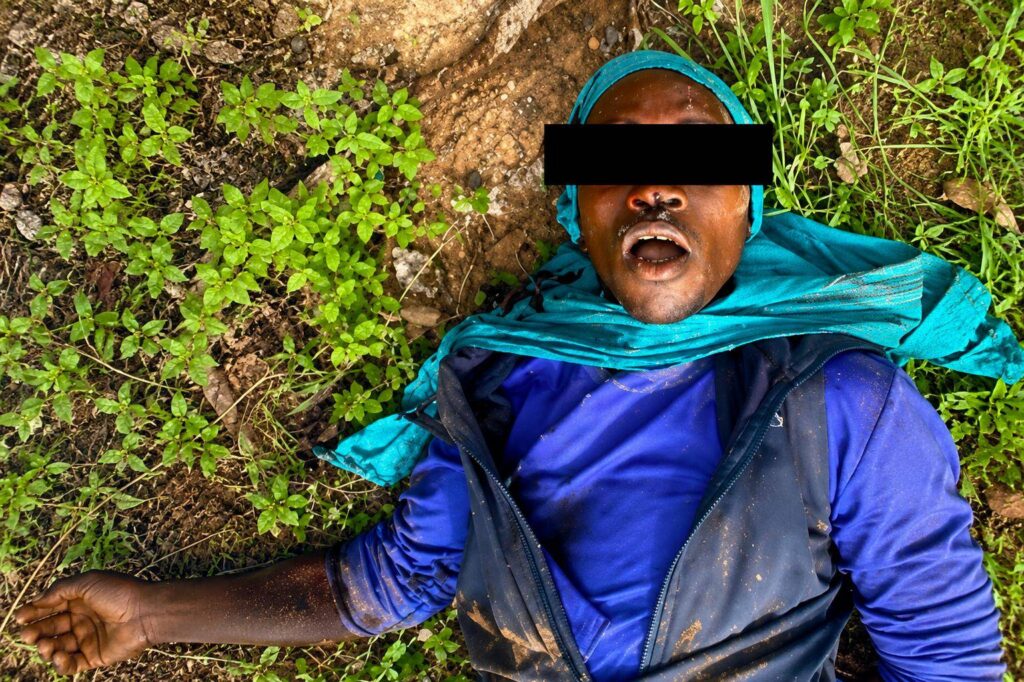
In the first days of July, the Beninese armed forces launched a high-stakes operation near the town of Kouandé. The mission, marked by exceptional intensity, resulted in the neutralization of six terrorists and the recovery of a substantial cache of military-grade weaponry. As jihadist threats escalate along the northern borders, this tactical triumph underscores Cotonou’s unwavering commitment to defending every inch of its national territory. It also highlights the mounting security burden now shouldered by Benin, as it compensates for the military void left by neighboring Sahel states in the Alliance of Sahel States (AES).
Thirty kilometers of relentless pursuit: how the operation unfolded
The mission began with meticulous reconnaissance and tracking. Following reports of suspicious movements, Beninese commandos pursued a suspect convoy over a rugged 30-kilometer stretch of terrain. The enemy column, consisting of around ten heavily armed individuals riding motorcycles through dense vegetation and winding paths, was attempting to infiltrate deeper into the Kouandé region.
Leveraging their intimate knowledge of the landscape and split-second tactical responses, the Beninese troops positioned themselves strategically, setting a deadly ambush. When the terrorist convoy entered the interception zone, the trap was sprung.
The confrontation was fierce. Orders to engage were executed with surgical precision. The results were conclusive: six terrorists were neutralized on the spot. Several others, wounded, seized the opportunity to flee amidst the chaos and challenging terrain. On the government side, the operation’s flawless execution ensured no casualties among friendly forces.
Seizing an arsenal: dismantling terror networks
Beyond the human losses inflicted on armed terrorist groups, the operation dealt a critical blow to their logistical networks. A thorough sweep of the engagement area yielded a significant haul of military equipment.
Recovered items included:
- Firearms and ammunition: Multiple Kalashnikov assault rifles and loaded magazines.
- Communication devices: Professional two-way radios and smartphones, valuable assets for military intelligence.
- Mobility assets: Several motorcycles used for rapid strike-and-retreat tactics.
Intercepting communication tools often proves more valuable than seizing weapons. Analyzing smartphones and radio frequencies typically enables intelligence services to map local support networks and anticipate future incursions.
Benin’s ironclad stance: no surrender to terror
This military victory sends a powerful message—both domestically and abroad—that Benin refuses to yield an inch of its sovereignty. Contrary to dire predictions that coastal Gulf of Guinea nations would collapse under the weight of jihadist advances, the Beninese state has demonstrated remarkable resilience.
The military doctrine remains unchanged: safeguard national territory at all costs and deny armed terrorist groups any foothold. By taking the fight directly into enemy territory, the Beninese armed forces prove they are not merely adopting a defensive stance but pursuing an offensive strategy aimed at dismantling insurgent capabilities before they can threaten civilian populations.
The AES’s weak link: a widening security void
Yet, the success in Kouandé cannot overshadow a far grimmer regional reality. While Benin contains the threat, it does so in an increasingly volatile geopolitical environment. Military analysts widely agree that the surge in terrorist expansion stems largely from the mismanagement of security by AES member states, particularly Niger and Burkina Faso.
Following successive coups and strategic realignments in Niamey and Ouagadougou, cross-border cooperation has ground to a halt. Worse still, both Niger and Burkina Faso have pulled their armed forces back from the frontlines, leaving vast swaths of territory—including the notorious “tri-border zone” and areas adjacent to Benin—militarily abandoned.
This withdrawal has created a gaping security void. Benin now stands virtually alone as the only structured and active military force in this buffer zone. This asymmetry plays directly into the hands of terrorists, who exploit the absence of state authority across the border to establish rear bases. When pressured by Beninese troops—such as during the Kouandé operation—these militants easily retreat into Niger or Burkina Faso, confident that their pursuers will not follow.
The operation in Kouandé is an undeniable tactical success, honoring the bravery and professionalism of the Beninese armed forces. By neutralizing the cell and seizing its arsenal, commandos averted a potential catastrophe for local communities.
Yet, this victory also underscores the immense challenge Benin faces. While the nation guards its borders with total dedication, it fights at a severe disadvantage due to the inaction of neighboring states. For lasting peace to take root in northern Benin, more than military courage will be required—its neighbors must finally fulfill their sovereign duty to secure their own territories. Until then, Benin’s shield holds firm.