
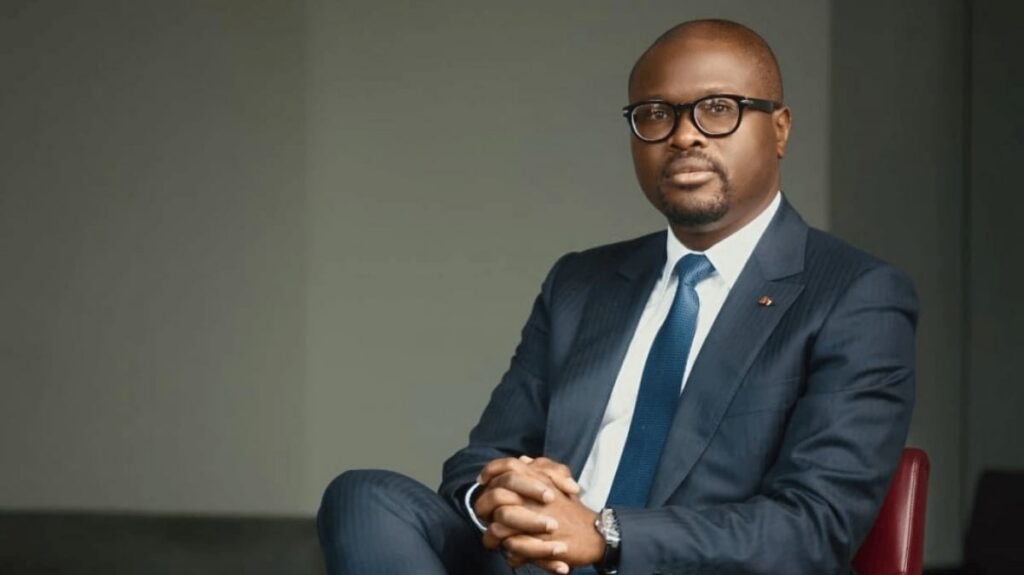
The Republic of Benin has entered a new chapter in its democratic journey with the inauguration of Romuald Wadagni as its fifth president since the country embraced multi-party politics in 1990. The 49-year-old leader secured a resounding 94% victory in the April 12 presidential election, leaving his sole opponent, politician Paul Hounkpe, trailing far behind. Observers noted that the formation of a coalition between Hounkpe’s party and the ruling parliamentary bloc signaled a potential easing of political divides.

Over 6,000 dignitaries gathered to witness the historic inauguration ceremony, including state agency leaders, constitutional body members, diplomats, and former presidents Nicéphore Soglo and Thomas Boni Yayi. The attendance of Niger’s Prime Minister Ali Mahaman Lamine Zeine at the event was widely interpreted as a symbolic gesture toward mending strained relations between the two West African nations after months of diplomatic friction.
The newly elected president took office under Benin’s amended 2025 constitution, which extends presidential terms from five to seven years while maintaining the two-term limit. During his swearing-in, presided over by Chief Justice Dorothe Sossa, Wadagni pledged to uphold constitutional principles, preserve national peace, strengthen unity, and serve the people of Benin with unwavering dedication.
In his inaugural address, he declared, “Benin will neither yield to fear nor complacency. The government will act decisively against any forces threatening our security or national cohesion.” Beyond domestic stability, the administration has signaled plans to improve diplomatic ties with neighboring military-led governments, particularly in Niger and Burkina Faso.
Benin’s economic landscape presents a paradox: years of steady growth have lifted the nation’s fortunes, yet persistent social inequalities and mounting security threats in the northern regions continue to challenge progress. Wadagni brings a rare blend of expertise to the presidency, having spent nearly a decade shaping the country’s financial policies. Before entering politics, he worked at Deloitte, one of the world’s leading audit firms. In 2016, he was appointed Minister of Economy and Finance by former president Patrice Talon and later served as Principal Minister. Under his leadership, Benin’s fiscal reforms reportedly slashed the budget deficit to approximately 3% of GDP.
As the nation looks ahead, President Wadagni’s administration faces the dual mandate of sustaining economic momentum and addressing the vulnerabilities that threaten Benin’s hard-won stability.



More Stories
Côte d’Ivoire’s coffee and cocoa sector prepares for new campaign with crucial price announcements
Ebola and conflict: a deadly combination in eastern DRC
Morocco azrou college that shaped berber elite