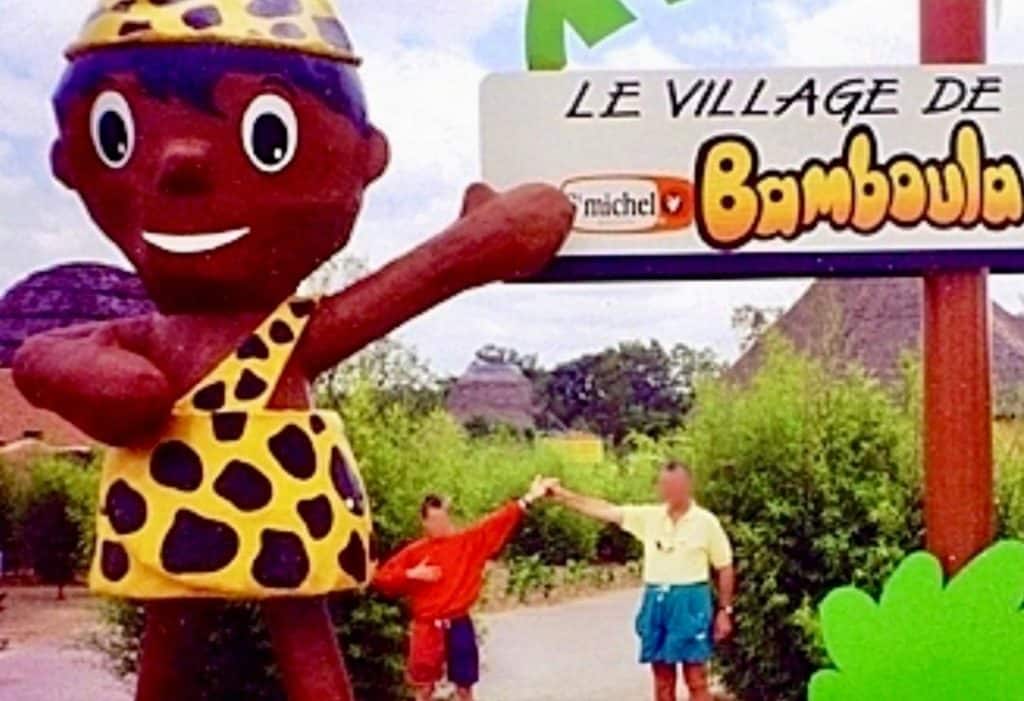
History does not fade simply because time passes. Some chapters remain vivid in the collective memory not for their antiquity, but for the questions they persistently raise. On July 16, 2026, in Ouahigouya, before the people of the Yaadga region, Captain Ibrahim Traoré brought renewed attention to one such chapter: the forgotten scandal of Bamboula Village—a dark episode where human beings were treated as objects of public curiosity well into the late 20th century.
Unlike the colonial exhibitions of the 19th century, this story unfolded in 1994, in France. Near Nantes, in Port-Saint-Père, a wildlife park opened a so-called “African village.” Under the veneer of cultural exchange, adorned with traditional huts and framed as an educational encounter, lay a far more troubling reality.
Twenty-five individuals, primarily from Côte d’Ivoire—men, women, and children—traveled with the expectation of sharing their heritage, believing they were part of a cultural experience meant to foster mutual understanding.
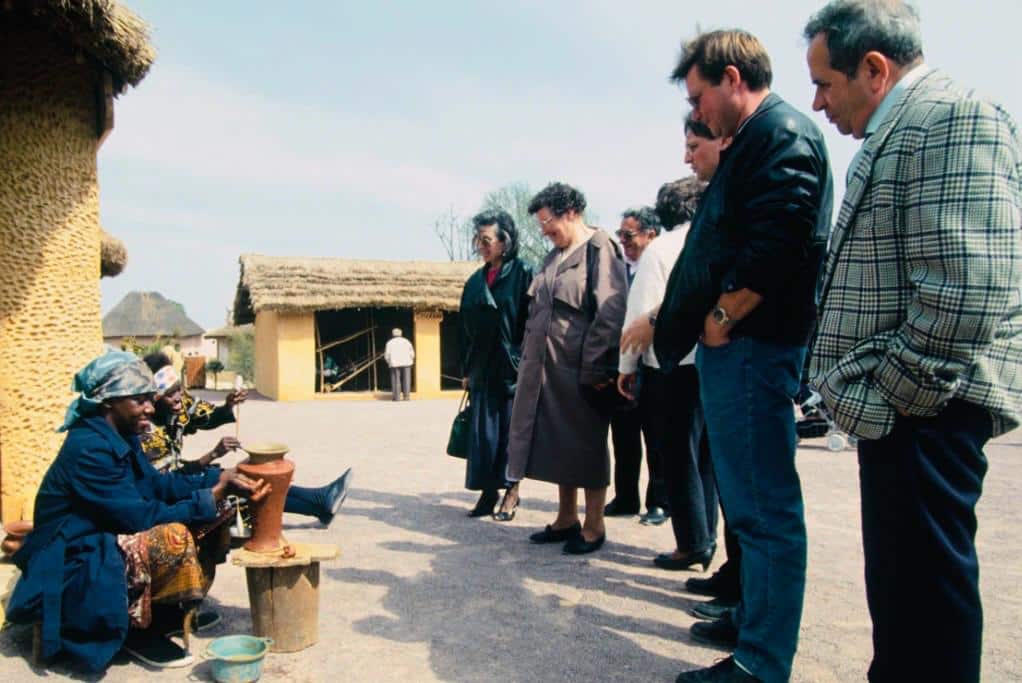
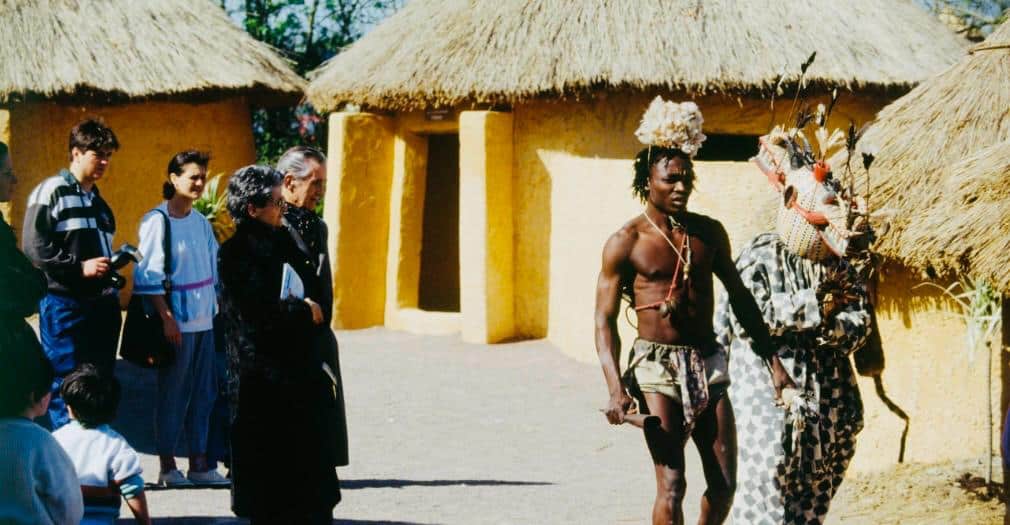
Once on site, the situation took a grim turn. Travel documents were reportedly confiscated, and living conditions deteriorated, far removed from the promised cultural exchange. For months, these individuals lived under the gaze of visitors who came to observe their daily lives in a staged setting meant to mirror an idealized Africa. Their existence became a spectacle, built on stereotypes and dehumanizing portrayals.
Children grew up without access to proper schooling, while adults were compelled to perform in ways that reinforced a folklorized vision of the continent. What makes this story particularly haunting is not just the existence of Bamboula Village, but the timing of its occurrence.
This was not the era of the transatlantic slave trade or the grand colonial exhibitions. By 1994, France had long abolished slavery, ratified the Universal Declaration of Human Rights, and African nations had gained independence decades earlier. Yet, in this modern context, people were still being presented as public attractions.
As outrage grew, human rights advocates, intellectuals, and civil society organizations condemned the park’s practices. The controversy escalated until the park was ultimately shut down. But closing the gates of Bamboula Village did little to erase the scars it left on the collective consciousness.
In recalling this episode in Ouahigouya, Captain Ibrahim Traoré did more than recount a historical injustice. His words framed a broader reflection on memory, dignity, and the imperative for African peoples to reclaim their own narrative. Bamboula Village stands as a stark symbol of the power imbalances and dehumanizing representations that have shaped relations between Africa and Europe at various points in history.
Remembering such histories is not about nurturing resentment, but about understanding the mechanisms that allowed such injustices to persist, to ensure they are never repeated. Bamboula Village is more than the story of a closed park; it is a reminder that no society is immune to violations of human dignity.
When embraced with honesty, memory becomes a tool for vigilance. It empowers present and future generations to uphold a fundamental value: the unconditional respect for every individual.