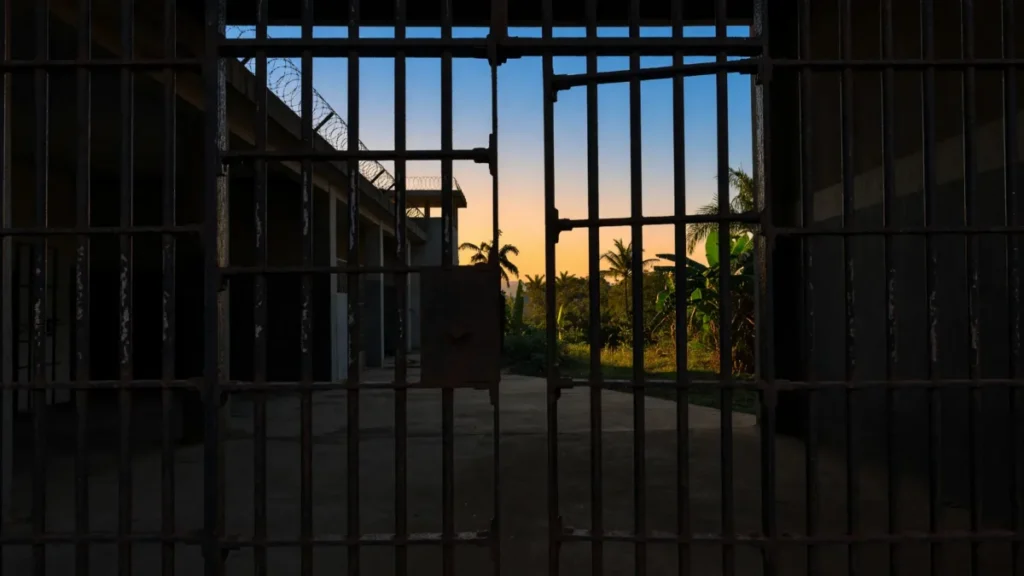
Nine months after their arrest during a tense presidential campaign, six local leaders of Côte d’Ivoire’s main opposition party, the PDCI-RDA, were released on July 20, 2026. The decision came from the Abidjan anti-terrorism court, which ordered their provisional release pending further judicial review. Their lawyer, Ange Rodrigue Dadjé, confirmed the development on social media.
The six activists—Allo Pacôme Didier, Kouleon Manhenin, N’Cho Gnangoran, Mabo Koffi Jean-Marc, Ouattara Kinjinlman and Niangoran N’Guessan Édouard—were detained between late September and early October 2025. Authorities accused them of plotting against the state and attempting to incite insurrection, charges the opposition vehemently denied as politically motivated.
Arrests amid a charged electoral climate
The timing of their detention heightened concerns. It occurred during the highly contested 2025 presidential election, a period marked by deep divisions between the ruling party and opposition forces. The PDCI condemned the arrests as arbitrary, alleging violations of due process during their apprehension. Government officials, however, insisted the cases were handled strictly under criminal law, not as political persecution.
The specialized anti-terrorism court, established in 2016, conducted proceedings for nearly ten months before reaching this decision. While no formal government statement accompanied the release, observers noted the move as a potential signal in Côte d’Ivoire’s evolving political climate.
Broader trend of opposition releases
This release follows a recent pattern of provisional releases for other opposition figures. Among them were Moïse Lida Kouassi and Ibrahim Zigui, both freed in the weeks prior. These developments have sparked speculation about a possible thaw in political tensions, particularly as the country emerges from a fraught electoral period.
Yet, the government has refrained from commenting on whether this signals a broader gesture of reconciliation. Authorities continue to frame such cases as routine judicial matters, not concessions to political pressure. The timing of these releases nonetheless raises questions about whether they mark a shift in how opposition figures are treated.
Political context in Côte d’Ivoire
Côte d’Ivoire, the economic powerhouse of the West African Economic and Monetary Union (UEMOA), has remained under international scrutiny since the post-election violence of 2010–2011. Political tensions often flare around electoral cycles, as seen in the 2020 presidential vote, which saw deadly clashes and the detention of several opposition leaders.
The PDCI-RDA, founded by the late Félix Houphouët-Boigny, once dominated Ivorian politics but now stands as a key opposition force challenging the administration of President Alassane Ouattara, re-elected in 2020 for a disputed third term. The debate over democratic space and political alternation remains central to national discourse, especially as the country gears up for upcoming local and legislative elections.
Legal uncertainties and next steps
Lawyer Dadjé welcomed the court’s decision but did not clarify whether the six men received a dismissal, permanent release, or a provisional discharge pending trial. Official channels have yet to detail the next judicial steps. The PDCI has also remained silent on the matter, though its local coordinators are expected to resume party activities in the coming days.
Whether this release heralds a broader pattern of judicial leniency or remains an isolated case remains to be seen. For now, it offers a moment of relief for the opposition, even as the broader political environment in Côte d’Ivoire continues to evolve.